Key takeaways
- Sharpening method: Pull-through slots are fastest and most beginner-friendly; angle-guide and rolling systems give a more precise edge; electric units combine speed with consistency.
- Angle control: A fixed-angle guide or magnetic 15°/20° system removes the guesswork that ruins edges on freehand stones.
- Blade compatibility: Check whether the sharpener handles serrated and scissor edges, not just straight chef’s knives, if you want one tool for everything.
- Grit stages: Multi-stage sharpeners with coarse and fine slots let you repair a damaged edge and then hone it to a polish in one pass.
- Stability: A non-slip base or suction foot keeps the sharpener planted so you can focus on drawing the blade, not holding the tool still.
A dull knife is not just slow, it is dangerous, because a blade that will not bite forces you to push harder and slip more often. Yet most home cooks let their knives degrade for months because they assume sharpening requires whetstone skills and a steady hand. It does not anymore. Today’s sharpeners range from foolproof pull-through slots to angle-guided rolling systems and one-touch electric units, and any of them will restore a working edge in minutes.
The seven sharpeners below cover every skill level and budget, from a $6.50 everyday pull-through to a $60 rolling kit and a $56 electric station. We evaluated edge quality, ease of use, and versatility across straight and serrated blades so you can pick the right tool for how confident you feel about maintaining your knives.
Our top picks




As an Amazon Associate we earn from qualifying purchases at no extra cost to you. Ratings are shown as listed on Amazon.
⚡ Save on Your Next PC — Amazon Prime
Prime members get fast free shipping on the systems above, plus early access to Prime Day & Black Friday PC deals. New members get a 30-day free trial.
Watch: Top 7 Essential Knife Sharpeners for Home Cooks — Video Review
How to Choose
- Sharpening method: Pull-through slots are fastest and most beginner-friendly; angle-guide and rolling systems give a more precise edge; electric units combine speed with consistency.
- Angle control: A fixed-angle guide or magnetic 15°/20° system removes the guesswork that ruins edges on freehand stones.
- Blade compatibility: Check whether the sharpener handles serrated and scissor edges, not just straight chef’s knives, if you want one tool for everything.
- Grit stages: Multi-stage sharpeners with coarse and fine slots let you repair a damaged edge and then hone it to a polish in one pass.
- Stability: A non-slip base or suction foot keeps the sharpener planted so you can focus on drawing the blade, not holding the tool still.
The Best Picks Reviewed
Rolling Knife Sharpener Kit with Leather Strop & Magnetic Angle Guide
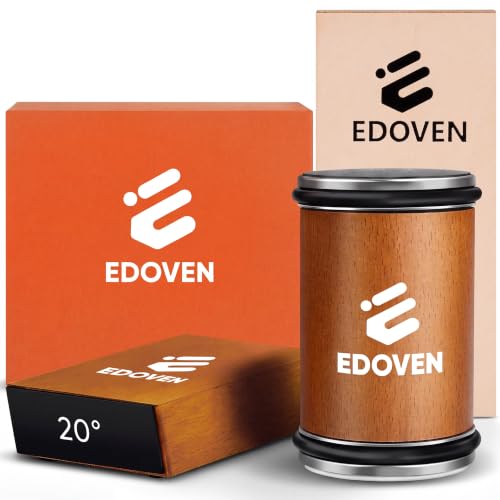
At about $30, this rolling system with 15° and 20° magnetic guides and a leather strop delivers near-whetstone results with almost no learning curve. The magnetic angle guide holds the blade steady while you roll, making it the pick for cooks who want a genuinely sharp, polished edge without stone skills.
Work Sharp Electric Kitchen Knife Sharpener
The electric standout at roughly $60, this compact unit sharpens quickly and consistently every time, fitting neatly in a kitchen drawer. It is ideal for anyone who wants speed and repeatability, restoring a fleet of knives before a cookout in minutes.
4-in-1 Electric Knife Sharpener for Home Cooks
Around $56, this 4-in-1 electric sharpener covers multiple stages in one machine, taking a tired blade from coarse repair to a fine finish automatically. It is a strong choice for cooks who want hands-off convenience across their whole knife set.
SHARPAL 191H Knife & Scissors Sharpener
At about $17, the SHARPAL 191H handles straight knives, serrated edges, and scissors in a single durable tool. Its versatility and low price make it the best value all-rounder for a household with mixed blades.
AccuSharp Knife Sharpener with Ergonomic Handle
The grab-and-go pick at roughly $12, the AccuSharp restores and hones both straight and serrated knives with a comfortable handle and a compact body. It is fast, safe, and simple, perfect for quick touch-ups before dinner.
Frequently Asked Questions
How often should I sharpen my kitchen knives?
Most home cooks need a full sharpening every few months, with quick honing in between. If your knife struggles to slice a tomato skin cleanly, it is time to sharpen.
Do pull-through sharpeners damage knives?
Quality pull-through sharpeners remove a little more metal than a whetstone but are safe for everyday knives when used correctly. Avoid forcing the blade and use light, even pressure through the slots.
Can these sharpen serrated knives?
Some can. Multi-function tools like the SHARPAL 191H include a dedicated serrated slot, but many basic pull-through and rolling systems are designed for straight edges only, so check before buying.
Are electric sharpeners worth it?
For speed and consistency across many knives, yes. Electric units like the Work Sharp remove the guesswork and are ideal if you sharpen a full set at once, though they cost more than manual options.
Final Thoughts
Match the sharpener to your comfort level. Beginners who want the sharpest possible edge should try the guided rolling kit for around $30, while anyone prioritizing speed across many knives will love a drawer-friendly electric unit. For a cheap, versatile everyday tool, the SHARPAL or AccuSharp keeps every blade in the kitchen biting cleanly for the price of a takeout lunch.