Key takeaways
- Spaghetti disc: the everyday choice, ready to cook in 2 to 3 minutes fresh.
- Fettuccine or wide-ribbon disc: holds cream and meat sauces beautifully.
- Penne or macaroni disc: needs a slightly firmer dough so the tubes hold shape.
- Use the measuring cups included with machines like the VEVOR and PHITTIS to keep batches consistent.
An electric pasta maker takes the guesswork out of fresh pasta, automatically mixing, kneading, and extruding dough through shaped dies so you can serve spaghetti or fettuccine in under 20 minutes. Machines like the VEVOR 150W and the Philips 7000 Series measure, blend, and push out portioned pasta with almost no hand effort, which is why they have become a weeknight staple rather than a weekend project.
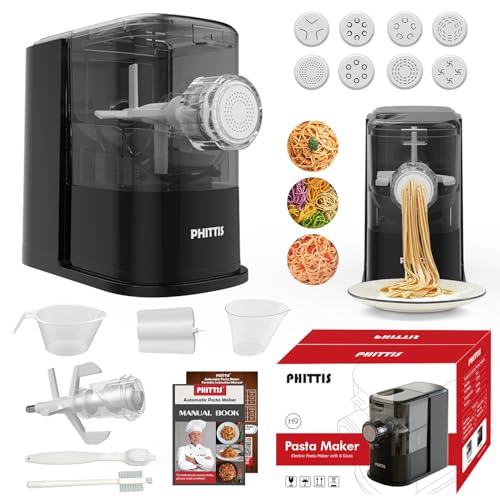
This guide walks you through the full process, from choosing the right flour-to-liquid ratio to picking the correct die for the shape you want. Whether you own an automatic extruder like the PHITTIS or a 3-in-1 roller such as the GVODE, the fundamentals below will help you get tender, evenly cooked pasta every time.
Our top picks





As an Amazon Associate we earn from qualifying purchases at no extra cost to you. Ratings are shown as listed on Amazon.
⚡ Save on Your Next PC — Amazon Prime
Prime members get fast free shipping on the systems above, plus early access to Prime Day & Black Friday PC deals. New members get a 30-day free trial.
Watch: How to Make Homemade Pasta with an Electric Pasta Maker — Video Review
Understanding Your Machine Type
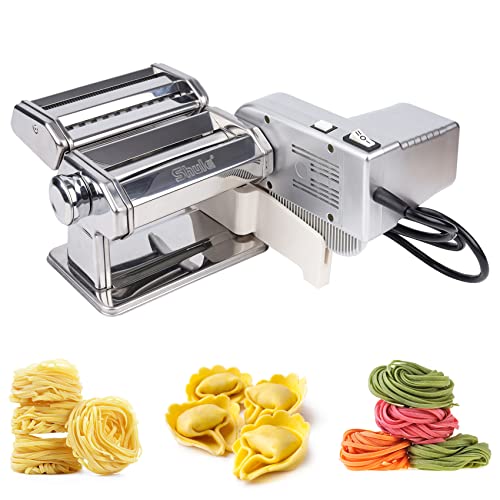
Electric pasta makers fall into two camps. Automatic extruders such as the VEVOR, PHITTIS, and Philips 7000 mix the dough inside a chamber and force it through brass or plastic discs to form shapes like penne, spaghetti, and rigatoni. Roller-and-cutter machines like the GVODE and Sailnovo instead flatten a dough sheet through adjustable rollers, then slice it into ribbons. Extruders are faster and hands-off; rollers give you more control over sheet thickness for lasagna and ravioli.
Getting the Flour and Liquid Ratio Right
The single most common mistake is a dough that is too wet or too dry. For a standard 500g batch in a machine like the VEVOR, start with roughly 200 to 220 ml of liquid (a mix of egg and water) per 500g of flour. The dough should form small pea-sized crumbs that hold together when pressed, not a smooth ball. Add liquid one teaspoon at a time if it looks powdery.
Choosing the Right Discs and Shapes
- Spaghetti disc: the everyday choice, ready to cook in 2 to 3 minutes fresh.
- Fettuccine or wide-ribbon disc: holds cream and meat sauces beautifully.
- Penne or macaroni disc: needs a slightly firmer dough so the tubes hold shape.
- Use the measuring cups included with machines like the VEVOR and PHITTIS to keep batches consistent.
Cooking and Storing Fresh Pasta
Fresh pasta cooks far faster than dried, usually 2 to 4 minutes in well-salted boiling water. Cook it immediately for the best texture, or dust the strands with semolina and refrigerate for up to 2 days. To freeze, arrange nests on a tray until solid, then bag them; they keep for about a month and go straight from freezer to pot.
Tips
- Let extruded dough rest 5 minutes before cooking so the surface firms up and holds its shape.
- Run the cleaning brush through the discs while dough residue is still soft; dried dough is stubborn to remove.
- Weigh flour rather than scooping it, since packed flour throws off the moisture balance.
- For richer pasta, replace some water with an extra egg yolk to boost color and bite.
Frequently Asked Questions
Do I need to knead the dough myself?
No. Automatic machines like the VEVOR and Philips 7000 knead inside the mixing chamber, typically for 3 to 4 minutes, before extruding. Your only job is measuring the flour and liquid correctly.
Why is my pasta coming out crumbly?
Crumbly extrusion almost always means the dough is too dry. Stop the machine, add liquid a teaspoon at a time, and let it mix again until the crumbs clump when squeezed.
Can I make gluten-free pasta?
Yes, but gluten-free flours need a binder such as xanthan gum and slightly more liquid. Extruders handle these blends better than roller machines because they compress the dough.
How do I clean the discs?
Let residue dry for an hour, then push it out with the included cleaning brush or a toothpick. Most discs are top-rack dishwasher safe, but hand cleaning preserves the finish longer.
Conclusion
Fresh pasta at home is no longer a labor-intensive ritual. With an electric maker like the VEVOR or Philips 7000, the right flour-to-liquid ratio, and the correct disc for your sauce, you can put a bowl of tender spaghetti or fettuccine on the table in about the time it takes the water to boil. Start with a simple egg-and-flour recipe, dial in your machine, and you will rarely reach for the dried box again.