Key takeaways
- Match thickness to the panel: Sofa upholstery generally wants 2–4 oz (0.8–1.6mm) leather. Thicker chap and saddle weights resist abrasion but fight you at seams and corners, while anything under 2 oz can stretch and telegraph the foam beneath it.
- Know your grain: Full-grain and top-grain cowhide keep the natural surface, develop patina, and last decades. Corrected or bonded leather is coated and will eventually flake — worth avoiding on any seat you sit in daily.
- Buy square footage with a buffer: Hides are irregular, with thin belly areas and edge waste. Add 20–30% over your measured need so you can cut around imperfections rather than around them.
- Check the temper before you commit: Soft, drapey leather molds around cushions and tight radii. Firm leather holds structure on flat backs and side panels. A hide that is beautiful but stiff will not behave on a rolled arm.
- Be honest about upkeep: Genuine hide needs conditioning once or twice a year and will darken unevenly in sunlight. Quality PU stays consistent, wipes clean, and suits households with pets, kids, or a lot of sun exposure.
What's inside
Sofa leather is one of the few materials in a home that gets touched every single day, and it shows. Most people shopping for hide or upholstery-grade vinyl are not starting a furniture business — they are rescuing a sectional with a split armrest, recovering a mid-century frame found at an estate sale, or replacing cushion panels that faded in a sunny living room. The frustration is the same across all of it: listings describe leather in vague terms, thickness is buried in the fine print, and a square-footage number tells you almost nothing about whether the piece will actually wrap a cushion without cracking at the fold.
This guide sorts the options by the job they are built for. We look at full hides for large-panel work, pre-cut sheets for patches and repairs, and the better polyurethane fabrics for anyone who wants a leather look with easier maintenance or a vegan material. For each pick you will find where it excels, where it falls short, and the practical numbers that matter — weight, temper, and how much surface you actually get to work with.
As an Amazon Associate we earn from qualifying purchases.




How to Choose a Leather For Sofa (2026)
- Match thickness to the panel: Sofa upholstery generally wants 2–4 oz (0.8–1.6mm) leather. Thicker chap and saddle weights resist abrasion but fight you at seams and corners, while anything under 2 oz can stretch and telegraph the foam beneath it.
- Know your grain: Full-grain and top-grain cowhide keep the natural surface, develop patina, and last decades. Corrected or bonded leather is coated and will eventually flake — worth avoiding on any seat you sit in daily.
- Buy square footage with a buffer: Hides are irregular, with thin belly areas and edge waste. Add 20–30% over your measured need so you can cut around imperfections rather than around them.
- Check the temper before you commit: Soft, drapey leather molds around cushions and tight radii. Firm leather holds structure on flat backs and side panels. A hide that is beautiful but stiff will not behave on a rolled arm.
- Be honest about upkeep: Genuine hide needs conditioning once or twice a year and will darken unevenly in sunlight. Quality PU stays consistent, wipes clean, and suits households with pets, kids, or a lot of sun exposure.
The Best Leather For Sofa (2026)s Reviewed
Smooth Solid Faux Leather Fabric, 54″ x 36″ (Dark Brown)
A clean-faced polyurethane sheet with a soft hand and no aggressive grain print, which makes it read as modern rather than imitative. The 54-inch width is the real advantage here — it covers most cushion tops in a single piece, eliminating the seam that usually gives a repair away.
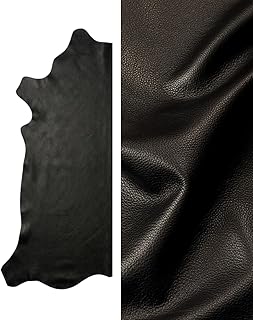
Premium Genuine Natural Grain Cowhide, Black (20 sq ft Full Side)
A proper half-side of natural-grain black cowhide, sized well for cushion facings, back panels, or a full pair of ottoman covers. The surface keeps its pores and subtle range marks, so the finished piece looks like furniture leather rather than a uniform coated sheet.
12″ x 24″ Full Grain Cowhide Sheet (Cognac Brown)
The best pick for targeted repair work: at 1.1–1.3mm it sits close to factory upholstery weight, and the pre-cut format means no wrestling with a full hide for a single armrest patch. Cognac is also the most forgiving shade to blend against aged brown leather.
Weekender Two-Tone Chap Cowhide Full Hide (40–44 sq ft)
Forty-plus square feet of soft chap-weight hide with a two-tone brown-tan pull, which is enough to recover a loveseat or the visible faces of a three-seater. The variegated finish hides scuffs and shifting light beautifully, though you should expect visible color movement across the hide and plan your cuts accordingly.
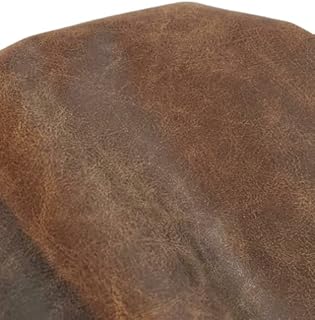
NAT Leathers Distressed Two-Tone Vegan PU
A PETA-approved 0.9mm PU with an oily distressed finish that convincingly mimics crazy-horse leather at a fraction of the cost. Sold by the yard at 36″ x 54″, it is the most sensible choice for anyone who wants the worn-in aesthetic without the conditioning routine.
Frequently Asked Questions
How much leather do I need to reupholster a sofa?
A standard three-seat sofa typically takes 60–90 square feet, a loveseat 40–55, and a single armchair 20–30. Add roughly a quarter more for waste, and remember that hides are sold by irregular area, not usable rectangles.
Is faux leather durable enough for a daily-use sofa?
Quality PU at 0.9mm or thicker holds up well for several years of normal use and outperforms hide on spill resistance. It will not develop patina, and it eventually wears through at high-friction contact points rather than softening the way real leather does.
Can I sew cowhide upholstery on a home machine?
Up to about 3 oz, yes — with a leather needle, a walking or roller foot, and polyester thread. Chap-weight hides and layered seams generally need a walking-foot or industrial machine.
Will a new leather patch ever match my existing sofa?
Not exactly, since aged leather has darkened and absorbed oils. Choose a shade slightly lighter than the current color, condition the patch, and place it on a lower-visibility panel so the difference settles in rather than announcing itself.
Final Thoughts
For a full recovering project, the Weekender Two-Tone Chap Cowhide gives you the most usable hide with a finish that ages gracefully. Smaller repairs are better served by the 12″ x 24″ Full Grain Cognac Sheet, which lands at factory upholstery weight without the cost of a whole side. And if easy maintenance is the priority, the NAT Leathers Distressed Vegan PU delivers a convincing worn-leather look with none of the conditioning schedule.