The Hatch Restore 3 suits people who want routines, sounds and a sunset wind-down in one app-driven device, the Philips SmartSleep suits buyers who want a bright, proven wake-up light with no app or subscription, and the Lumie Bodyclock range suits those who want simple controls and flexible sunrise timing. A sunrise alarm clock gradually brightens a lamp before your alarm so you wake to light instead of a sudden noise, and the right model depends on your bedroom, your budget and how much you want to use an app.
Our top picks

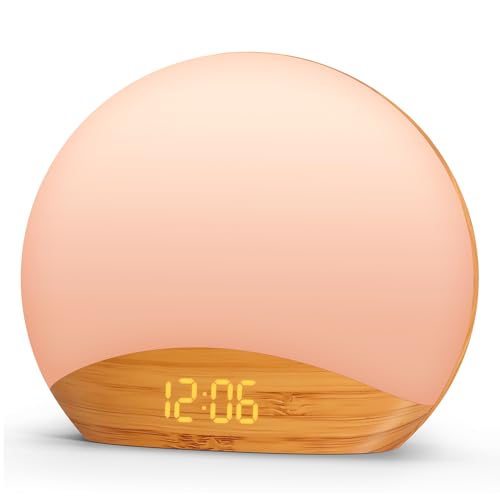


As an Amazon Associate we earn from qualifying purchases at no extra cost to you.
Sunrise Alarm Clocks at a Glance
| Model | Best for | Key stated or reported features | Limits |
|---|---|---|---|
| Hatch Restore 3 | Routines, sounds, sunset wind-down | Top pick at Sleepopolis, Forbes Vetted and Tom’s Guide; build sequences in the app | Works best with the app; some features need the Hatch+ subscription; premium tier |
| Philips SmartSleep HF3520 | Bright light without an app | The Desk Brief cites a 300-lux maximum, adjustable 20 to 40 minute dawn, FM radio, display that can turn off | Weaker as a sound machine per Tom’s Guide |
| Philips SmartSleep HF3650 | Brighter app-free option | Fixing Next Door says it is brighter than the Hatch and needs no app | Higher tier than the HF3520 |
| Lumie Bodyclock Shine 300 | Simple controls, wide timing | Optimize Your Biology ranked it best overall in a light-meter comparison; no app or subscription | Mid-range to premium tier |
| Lumie Bodyclock Rise 100 | Simplest no-app design | The Desk Brief calls it the simplest pick | Lumie does not publish a lux value for it |
| Lumie Bodyclock Glow 150 | Sunrise plus sunset | Sleepopolis names it best sunrise and sunset clock | Fewer sound features |
How to Choose a Sunrise Alarm Clock
Light Output
Makers sometimes publish peak brightness in lux. The Desk Brief cites 300 lux for the Philips HF3520, while Lumie does not publish a figure for the Rise 100. Brighter is not automatically better, because a very bright lamp near the bed can feel harsh. If your bedroom is very dark in winter, a stronger model may help the effect. Check whether the lamp is meant to face you at arm’s length.
Sunrise Duration
Most models let you set the length of the dawn, commonly 20 to 40 minutes or longer. A longer ramp feels gentler, and a shorter one suits tight schedules. The Philips HF3520 offers an adjustable 20 to 40 minute dawn as reported by The Desk Brief.
App or No App
Hatch Restore 3 builds routines in an app, and Tom’s Guide notes its best features need the Hatch+ subscription. Philips and Lumie models work through on-device controls, which suits shoppers who prefer not to use a phone near the bed. Think about whether you want to keep a phone out of the bedroom.
Sound Options
Some clocks play white noise, nature sounds, FM radio or chimes. Tom’s Guide says the Philips matches the Hatch’s sunrise simulation but falls short as a sound machine. If you want a combination sound machine and sunrise light, Hatch is the stronger fit.
Display and Bedroom Fit
Look for a display that dims or turns off, since a bright clock face can disturb sleep. Measure your nightstand and make sure the lamp has room. Consider the cord length and outlet placement. Some models offer USB ports or a backup battery for the alarm.
Wake-Up Routine
- Set the light to start 20 to 40 minutes before the alarm.
- Place the clock where the light reaches your face but not directly in your eyes.
- Pair with a consistent bedtime so the light works with your routine.
- Keep a backup alarm if you must wake at a specific time.
Safety and Health Notes
Sunrise alarm clocks are consumer wake-up products. Makers may separate them from light therapy lamps that claim to treat medical conditions, and this guide makes no health claims. If you have persistent sleep trouble, low mood in winter, or eye conditions, speak with a doctor before relying on any light product. Use only the supplied power adapter, keep the cord clear of bedding and follow the manual. Look for certification marks that the maker lists for electrical safety, and contact an electrician if you have concerns about outlets.
Model Notes
Hatch Restore 3
Sleepopolis gave it a perfect score from its tester, Forbes Vetted named it top overall, and Tom’s Guide calls it the best sunrise alarm clock you can buy online. It focuses on routines with a reading light, wind-down sound, white noise and then a sunrise. The tradeoffs are reliance on the app and the optional subscription for premium content, and its premium budget tier.
Philips SmartSleep
The HF3520 and HF3650 are described as app-free and bright. The Desk Brief picks the HF3520 as best for most dark bedrooms. Fixing Next Door says the HF3650 is brighter than the Hatch. They cover mid-range to premium tiers depending on the model.
Lumie Bodyclock
Optimize Your Biology, which compared 15 clocks with a spectrometer and flicker meter, ranked the Shine 300 best overall. Smart Home Unlocked calls it the best mid-range pick with no app or subscription. The Rise 100 is the simple choice, and the Glow 150 adds sunset.
Pick X If You Need Y
| Pick this | If you |
|---|---|
| Hatch Restore 3 | want sounds, routines and an app |
| Philips SmartSleep HF3520 | want a bright, app-free light at a lower budget |
| Philips SmartSleep HF3650 | want the stronger Philips model with no app |
| Lumie Shine 300 | want simple controls and flexible timing |
| Lumie Rise 100 | want the simplest, lowest-fuss device |
| Lumie Glow 150 | want a sunset wind-down as well |
Budget Tiers
Budget sunrise clocks are basic lamps with a gradual brightening and a buzzer or radio. Mid-range includes the Philips HF3520 and the Lumie Rise and Glow lines. Premium includes the Hatch Restore 3, the Philips HF3650 and the Lumie Shine 300. If your main goal is a gentle light wake-up, a mid-range model is usually sufficient, and extra spending buys sound options, app control or brightness.
Alternatives
- Smart bulbs with a schedule: can brighten a bedside lamp, but need a hub or app setup.
- Standard alarm clock with a dimming light: simple and low budget.
- Dawn simulation lamps: similar products from other brands.
- Light-filtering curtains and a consistent routine: a low-tech approach for brighter mornings.
Setting Up for the Best Effect
Place the clock on a nightstand at a height where light reaches your face. Avoid putting it behind a lamp, a book or other items that block the glow. Choose a sunrise duration that gives you a gentle ramp, and set the final alarm sound at a volume that wakes you without startling you. Keep curtains closed or use blackout lining if streetlight or early sun interferes with the programmed schedule. Run it for a week or two before judging the result, since your routine may need a few days to settle.
Who Might Skip One
If you wake easily to normal alarms and your bedroom already gets natural light at your wake time, a sunrise clock adds little. If you share a room with a partner who wakes earlier or later, a bright lamp can be disruptive, and a model with adjustable brightness or a lower-lux setting is easier to live with. If you travel often, a compact travel alarm may suit you better than a bulky bedside device.
Common Mistakes
- Choosing by feature count rather than how you actually wake.
- Forgetting to set a backup alarm on a phone for important mornings.
- Leaving the display bright at night.
- Paying for a subscription without checking which features it unlocks.
Caring for the Clock
Dust the lamp surface with a dry soft cloth, unplug it before cleaning, and avoid liquid cleaners near the electronics. Keep the unit away from water, radiators and damp bathrooms. If the bulb or lamp module fails, follow the maker’s warranty process rather than opening the housing. Update the firmware on app-based models when the maker releases changes, and note that features can change over time, so read the maker’s current description.
Frequently Asked Questions
What is the best sunrise alarm clock overall?
Most 2026 roundups pick the Hatch Restore 3 for its features, while Philips and Lumie win on brightness, simplicity or price. Choose based on whether you want an app and sounds.
Do sunrise alarm clocks need an app?
The Hatch does for its full features, while Philips SmartSleep and Lumie Bodyclock models work with on-device controls. If you want a phone-free bedroom, choose one of the latter.
Does the Hatch need a subscription?
Core functions work without one, but Tom’s Guide notes the best features need the Hatch+ subscription. Check the maker’s current plan details before you buy.
How long should the sunrise last?
Many models offer 20 to 40 minutes or longer. Start with 30 minutes and adjust to your preference.
Will a sunrise alarm work if I sleep through alarms?
It may help, but it is not guaranteed. Pair it with an audible alarm, and consider a model with louder sounds if you are a heavy sleeper.
Is a sunrise alarm clock the same as a light therapy lamp?
Not necessarily. Sunrise clocks are designed for waking, while therapy lamps are designed for sitting in front of for set periods. If you have medical concerns, ask a doctor before choosing one.