Key takeaways
- Store the quilt uncompressed in a large breathable bag, not in a stuff sack, to keep loft.
- Wash only as the maker advises, usually with a down-specific cleaner, a front-loading machine and a low heat dry with clean dryer balls.
- Keep it away from open flame, campfire sparks and hot stove surfaces; nylon shells and down are flammable or can melt.
- Use a sleeping pad with an insulation rating suited to the temperature, since the quilt does not insulate underneath.
- If you have a medical condition affecting circulation or cold tolerance, speak to a doctor before planning cold-weather trips.
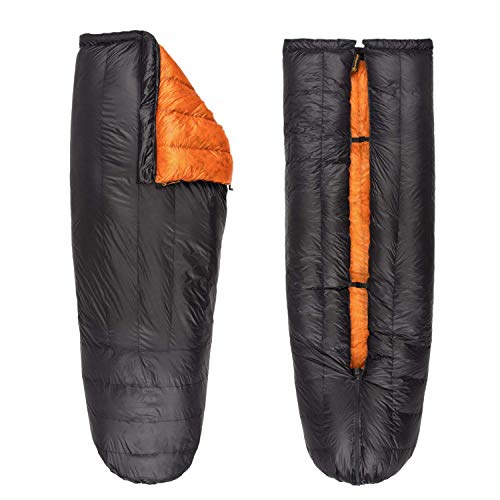
For most backpackers shopping for an ultralight quilt, the Enlightened Equipment Revelation is the default thru-hiker choice, the Hammock Gear Burrow is the value-minded cottage-brand pick, and Katabatic quilts such as the Palisade or Alsek are the premium picks for cold or restless sleepers. This guide explains how those options differ, how to read temperature ratings and fill power, and when a synthetic quilt such as the Revelation Apex makes more sense than down.
Our top picks


As an Amazon Associate we earn from qualifying purchases at no extra cost to you.
Quick Comparison
| Quilt | Best for | Stated or reported details | Limits |
|---|---|---|---|
| Enlightened Equipment Revelation | Thru-hikers, wide choice of sizes and fills | Reviewers report a fully customized Revelation 20F at about 20.75 oz; StepMassive names the Revelation 30 best overall | Made-to-order lead times can apply |
| Enlightened Equipment Revelation Apex | Wet climates, synthetic fill | Backpacker names the Revelation Apex 30 its best synthetic pick | Heavier and bulkier than down |
| Enlightened Equipment Enigma | Buyers wanting a footbox-and-hood style | Switchback Travel picked the Enigma 20 as best overall | Different construction than a flat quilt |
| Hammock Gear Burrow | Budget-conscious down quilt buyers | StepMassive lists 850-fill duck down and about 18.65 oz; Switchback Travel calls the Burrow 30 its best budget quilt | Cottage brand with its own production schedule |
| Katabatic Palisade | Cold and restless sleepers | Treeline Review gave the Palisade 30 its best overall award | Premium cost |
| Katabatic Alsek | Lightweight premium quilt | The Field Fans picked it as best overall; stock Alsek 22 reported at about 22.2 oz | Premium cost |
| Katabatic Flex / Sawatch | Thru-hikers wanting adjustable fit; colder trips | Halfway Anywhere calls the Flex a thru-hiker favorite; BikeHikeSafari picks the Sawatch 15F | Check which size fits your frame |
| Neve Gear Waratah | Weight-focused hikers | Backpacker named it best ultralight quilt | Smaller brand with limited availability |
Weights and ratings vary by source, length, width, fill and options, so use these figures as starting points and rely on the maker’s current specification for the exact build you order.
Why Choose a Quilt Over a Sleeping Bag
A backpacking quilt drops the back insulation, which would be compressed under you anyway, and relies on your sleeping pad for warmth underneath. That cuts weight and bulk. Most quilts attach to the pad with straps or elastic, and many have a footbox that closes. The trade-off is that drafts matter more, so a well-fitted quilt and a pad with a suitable insulation rating are essential. This guide also serves home shoppers who want a lightweight quilt for a camper van, a cabin or a guest room; the same logic applies, but check that the maker approves the quilt for that use.
Reading the Specs
Temperature rating
Makers list a rating, such as 20F or 30F. These are guidelines, not guarantees. Many quilts use the lower limit or comfort measure for sleepers in the dark. Cold sleepers should choose a rating colder than the lowest temperature they expect. Reviewers often say the Palisade is the better pick for cold or restless sleepers.
Fill power and fill weight
Fill power measures loft per ounce. Higher numbers, like 850 or 900, compress better and weigh less for the warmth. Fill weight is the amount of down in the quilt. Compare both. A high fill-power quilt with a low fill weight may not be warm enough.
Down versus synthetic
Down gives the best warmth for weight and packs small, but it loses loft when wet unless treated, and treatment varies. Synthetic is heavier and bulkier but keeps insulating value better when damp, according to the usual reviewer view. Backpacker’s choice of the Revelation Apex shows the synthetic route is available from the same maker.
Width and length
A wider quilt gives room to turn, while a narrower one saves weight but may leave drafts. Makers offer regular, long and wide sizes. Match the length to your height and the width to your shoulder and hip girth.
Shell fabric and water resistance
Shell fabric is usually a lightweight nylon, sometimes with a water-resistant finish. Lighter fabric saves ounces but tears more easily. Follow the maker’s care instructions.
Model Notes
Enlightened Equipment Revelation and Enigma
The Revelation is described by reviewers as the quilt that became a default for thru-hikers, with many fill, size and fabric options. Customization is a major draw, though it can lengthen the wait compared with in-stock gear. The Enigma is a related design that Switchback Travel rated best overall in its guide.
Hammock Gear Burrow
The Burrow shows up in roundups as a value pick. StepMassive calls it the best value cottage quilt, and Switchback Travel names it the best budget quilt. It is a cottage-brand product, so it is built to order and stock levels vary.
Katabatic Palisade, Alsek, Flex and Sawatch
Katabatic is the premium name. The Palisade tops Treeline Review’s list, the Alsek tops The Field Fans’ list, the Flex is a thru-hiker favorite per Halfway Anywhere, and the Sawatch 15F is BikeHikeSafari’s top pick. Their strength is detailed design, which reviewers say reduces drafts, but they cost more than budget options.
Neve Gear Waratah
Backpacker names it the best ultralight quilt. It is a smaller brand, so check how the maker handles lead times and returns.
Pick X If… Decision Table
| Pick | If you want | Skip if |
|---|---|---|
| Revelation | A popular thru-hiker quilt with many options | You need it right away |
| Revelation Apex | Synthetic insulation for wet weather | You want the lowest pack size and weight |
| Burrow | Good value for a down quilt | You want a premium finish |
| Palisade | Extra warmth for cold or restless sleepers | You are on a tight budget |
| Alsek | Premium lightweight quilt | You want a custom build |
| Flex | Adjustable fit for thru-hikes | You need very cold ratings |
Budget Tiers
Budget: Hammock Gear Burrow and similar cottage-brand down quilts, or synthetic quilts from outdoor retailers.
Mid-range: Enlightened Equipment Revelation and Apex, depending on options.
Premium: Katabatic Palisade, Alsek, Flex and Sawatch, plus high-fill-power custom builds.
Care and Safety Notes
- Store the quilt uncompressed in a large breathable bag, not in a stuff sack, to keep loft.
- Wash only as the maker advises, usually with a down-specific cleaner, a front-loading machine and a low heat dry with clean dryer balls.
- Keep it away from open flame, campfire sparks and hot stove surfaces; nylon shells and down are flammable or can melt.
- Use a sleeping pad with an insulation rating suited to the temperature, since the quilt does not insulate underneath.
- If you have a medical condition affecting circulation or cold tolerance, speak to a doctor before planning cold-weather trips.
Alternatives
- Ultralight mummy sleeping bags: Better in drafty conditions and for sleepers who dislike straps.
- Synthetic quilts: A good fit for damp climates.
- Insulated liners or bag-and-quilt combinations: Add warmth for shoulder-season trips without buying a colder-rated quilt.
- A lightweight blanket for home use: If you are shopping for a bedroom or cabin, a standard bed blanket may be more practical than backpacking gear.
Fit and Use Tips Before You Order
Because many ultralight quilts are made to order, measure yourself first. Note your height, shoulder width and the width of your sleeping pad, then compare them with the maker’s size chart. A quilt that is too narrow leaves gaps, and one that is too wide adds weight. Think about how you sleep. Side sleepers who roll often tend to like wider cuts and secure pad attachment, while back sleepers can go narrower. Consider a hood or collar option for cold nights, and carry a lightweight insulated jacket or hat as a backup layer. Test any new quilt at home or on a short, low-risk trip before committing to a long route, and read the maker’s lead time so your quilt arrives before your trip. Keep a dry bag in your pack to protect the quilt from rain and river crossings.
Frequently Asked Questions
What is the best ultralight quilt for a first-time buyer?
Reviewers often point beginners to the Enlightened Equipment Revelation because it has a large user base and many options. A budget buyer might look at the Hammock Gear Burrow. Choose a rating a little colder than your usual trip conditions.
How do I choose a temperature rating?
Pick a rating at or below the coldest night you expect, and consider whether you sleep cold. The rating is a guideline from the maker, and your pad, clothing and shelter all change how warm you feel.
Is down or synthetic better?
Down is lighter and more compressible. Synthetic holds warmth better when damp and is generally cheaper. Backpacker highlights the Revelation Apex 30 for those who want synthetic.
Do I need a special sleeping pad?
You need a pad with enough insulation for the temperature, because a quilt does not insulate your back. Many quilts also include straps to attach to the pad to stop drafts.
How should I wash a down quilt?
Follow the maker’s instructions. Usually that means a gentle down-specific cleaner, a large front-loading washer and low heat drying until fully dry. Washing less often helps preserve loft.
Can I use a backpacking quilt at home?
Yes, some people use them as lightweight summer bedding or for travel. They are designed for outdoor use, so check the maker’s guidance on care and that the fit suits your bed.