Key takeaways
- Shape before size: Square and round canopies suit circular tables and conversation clusters; rectangular 10 by 13-foot canopies follow the geometry of a sectional, a lap pool, or a long table far more efficiently. Measure the footprint you want shaded at 2pm, not at noon, since the sun moves and the shade pool shifts with it.
- Base weight is not optional: A cantilever is a lever, and the base is the counterweight. Cross bases typically need 150 to 220 pounds of added ballast in pavers or sand-filled weights. Umbrellas that ship with a filled or weighted base save you a separate purchase and a frustrating afternoon.
- Canopy fabric spec: Look for a stated GSM figure. Anything at 240GSM or above resists sag, blocks light properly, and holds color through several seasons. Solution-dyed fabric with a documented fade warranty outperforms a vague UV-resistant claim.
- Double top and vents: A vented double-top canopy lets gusts pass through instead of loading the frame, and it pulls hot air off the seating below. It is the single most useful feature on a windy site.
- Mechanism quality: Crank height adjustment, 360-degree rotation, and multi-position tilt should feel smooth under hand, not notchy. Aluminum frames with powder-coated finishes resist corrosion near saltwater and chlorine better than painted steel.
What's inside
A cantilever umbrella is the one piece of outdoor shade that solves a spatial problem rather than creating one. Center-pole models force the furniture to negotiate around a post, which means a dining table anchored to the middle of the deck and conversation seating pushed to the edges. The offset design lifts the mast out of the picture and drops shade exactly where people actually gather, over a sectional, a plunge pool, a long harvest table. The catch is that everything the pole used to do structurally now has to be handled by the arm, the base, and the joint between them, and this is precisely where cheap models fail.
This guide looks at the cantilever umbrellas worth specifying in 2026, judged on frame rigidity, canopy fabric weight, base strategy, and how gracefully each one handles wind. Sizes range from a compact 10-foot square for a modest deck to 10 by 13-foot rectangles built to span a full lounge arrangement, with a few integrated-lighting options for anyone who treats the patio as an evening room.
As an Amazon Associate we earn from qualifying purchases.


How to Choose a Cantilever Patio Umbrella (2026)
- Shape before size: Square and round canopies suit circular tables and conversation clusters; rectangular 10 by 13-foot canopies follow the geometry of a sectional, a lap pool, or a long table far more efficiently. Measure the footprint you want shaded at 2pm, not at noon, since the sun moves and the shade pool shifts with it.
- Base weight is not optional: A cantilever is a lever, and the base is the counterweight. Cross bases typically need 150 to 220 pounds of added ballast in pavers or sand-filled weights. Umbrellas that ship with a filled or weighted base save you a separate purchase and a frustrating afternoon.
- Canopy fabric spec: Look for a stated GSM figure. Anything at 240GSM or above resists sag, blocks light properly, and holds color through several seasons. Solution-dyed fabric with a documented fade warranty outperforms a vague UV-resistant claim.
- Double top and vents: A vented double-top canopy lets gusts pass through instead of loading the frame, and it pulls hot air off the seating below. It is the single most useful feature on a windy site.
- Mechanism quality: Crank height adjustment, 360-degree rotation, and multi-position tilt should feel smooth under hand, not notchy. Aluminum frames with powder-coated finishes resist corrosion near saltwater and chlorine better than painted steel.
The Best Cantilever Patio Umbrellas of 2026, Reviewed
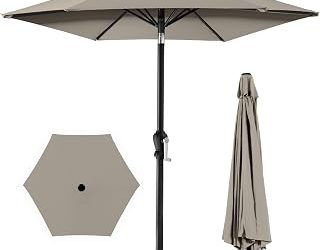
Grand Patio 11FT Cantilever Umbrella with Base
The 11-foot round canopy in champagne reads softer and less industrial than most offset umbrellas, and the included base removes the usual guesswork about ballast. A strong default for a round dining setup where you want generous coverage without a hard-edged silhouette.
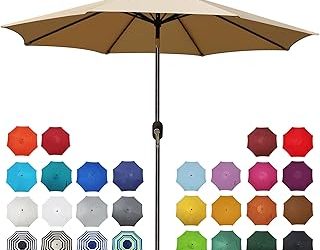
PURPLE LEAF 10′ x 10′ Square Double Top
PURPLE LEAF builds to a genuine spec sheet: a 35MPH wind-rated frame, a 240GSM canopy with a three-year fade warranty, and a vented double top that meaningfully reduces frame load. The square footprint and quick assembly make it the most confident buy here for exposed patios and poolside installs.
10 x 13 FT Cantilever Umbrella with Base & Lights
The rectangular canopy tracks the shape of a sectional or a long table better than any square, and the integrated lights extend the space into the evening without stringing anything overhead. Coming with a base included makes it a clean single-order solution.
10 x 13 FT Cantilever Umbrella with LED Lights
Essentially the same generous rectangular coverage in a lighting-forward package, with a 360-degree rotating aluminum frame and waterproof canopy fabric in a neutral beige that recedes rather than competes. Best where you already own suitable ballast and want to put the budget into the canopy and lighting instead.
Cantilever Umbrella with Cross Base and Cover (10×13, Khaki)
A heavy-duty offset build with easy tilt, full rotation, and a protective cover included, which is the accessory most people forget and then regret. The khaki canopy suits stone, teak, and warm-toned decking particularly well.
Frequently Asked Questions
How much weight does a cantilever umbrella base need?
Plan on 150 to 220 pounds of total ballast for a 10 to 13-foot canopy, distributed evenly across a cross base using pavers or sand-filled weights. Manufacturer minimums assume calm conditions, so err heavier on open or elevated sites.
Can I leave it open in wind?
No. Close and secure any cantilever umbrella above roughly 20MPH sustained wind, even wind-rated models. The rating describes survival, not recommended operation.
Is a double top worth the extra cost?
Yes, on most sites. The vent releases pressure during gusts and improves airflow under the canopy, which extends frame life and makes the shade feel cooler.
Do rectangular canopies need more clearance?
They need more swing room. Confirm you have clearance to rotate the full 13-foot span without contacting railings, walls, or planters before choosing the larger footprint.
Final Thoughts
For most patios, the PURPLE LEAF 10′ x 10′ Square Double Top is the safest specification, with published wind and fabric numbers behind its claims. Choose the Grand Patio 11FT if you want a round canopy and an included base in one order, or step up to a 10 x 13 FT Cantilever with Base & Lights when you are shading a sectional or a long table and want the space to work after dark.