Key takeaways
- Finish compatibility: Nearly all modern sofas use finished or pigmented leather, which takes conditioner readily. Aniline, suede, and nubuck do not, and an oil-based product will darken them permanently. Check the tag or test a hidden panel first.
- Cleaner and conditioner, separate or combined: All-in-one bottles are convenient for maintenance on a sofa that’s already in decent shape. Two-step kits give you more control when there’s real soil, body oil, or a headrest that’s gone shiny.
- UV protection: Worth prioritizing if the sofa sits within a few feet of a window. Sun fading is cumulative and irreversible, and a conditioner with UV inhibitors is the cheapest insurance you’ll buy for the piece.
- Finish left behind: Some formulas dry matte and invisible, others add a soft sheen. Neither is wrong, but a glossy result on a matte contemporary sofa reads as plasticky, so match the product to the look you already have.
- Volume versus honest usage: A three-seat sofa uses more product than people expect, and conditioning is a two to four times per year job. Larger bottles and multipacks usually work out better per application than a single small bottle.
What's inside
Leather sofas age in one of two directions. Handled well, the hide softens into that lived-in patina furniture designers chase in vintage shops. Neglected, it dries from the inside out, and the first sign is usually a hairline crease across a seat cushion that never relaxes again. The frustrating part is that most people don’t do anything wrong exactly. They wipe the sofa down, maybe with a household spray, and assume clean equals cared for. Cleaning removes surface grime. It does nothing to replace the oils that heat, sunlight, and body contact pull out of the finish over years.
This guide is about the second half of that equation. Below are the conditioners worth putting on a sofa in 2026, chosen for how they behave on furniture-weight upholstery leather rather than car interiors or boots, which have very different demands. You’ll find a breakdown of what actually matters when comparing formulas, honest notes on each pick, and answers to the questions that come up once the bottle is in your hand and you’re standing over a cushion wondering how much to use.
As an Amazon Associate we earn from qualifying purchases.




How to Choose a Leather Conditioner For Sofa (2026)
- Finish compatibility: Nearly all modern sofas use finished or pigmented leather, which takes conditioner readily. Aniline, suede, and nubuck do not, and an oil-based product will darken them permanently. Check the tag or test a hidden panel first.
- Cleaner and conditioner, separate or combined: All-in-one bottles are convenient for maintenance on a sofa that’s already in decent shape. Two-step kits give you more control when there’s real soil, body oil, or a headrest that’s gone shiny.
- UV protection: Worth prioritizing if the sofa sits within a few feet of a window. Sun fading is cumulative and irreversible, and a conditioner with UV inhibitors is the cheapest insurance you’ll buy for the piece.
- Finish left behind: Some formulas dry matte and invisible, others add a soft sheen. Neither is wrong, but a glossy result on a matte contemporary sofa reads as plasticky, so match the product to the look you already have.
- Volume versus honest usage: A three-seat sofa uses more product than people expect, and conditioning is a two to four times per year job. Larger bottles and multipacks usually work out better per application than a single small bottle.
The Best Leather Conditioner For Sofa (2026)s Reviewed
Leather Honey Leather Conditioner
This is the one to reach for when a sofa genuinely feels dry and stiff, because it penetrates rather than sitting on top and the softening is noticeable within a day. It’s non-toxic, safe on white and light-colored leather, and a little goes a long way, so resist the urge to over-apply.
Weiman Leather Cleaner & Conditioner, 12 oz
The most practical choice for routine upkeep, since it cleans and conditions in one pass and includes UV protection that matters if your sofa lives near a window. The finish stays low-sheen and natural, which suits contemporary furniture better than the glossier alternatives.
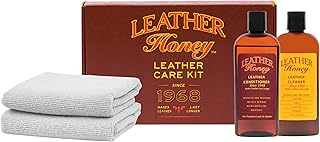
Leather Honey Complete Leather Care Kit
Buy this if the sofa hasn’t been touched in years and needs a real reset, not just a top-up. The cleaner lifts embedded body oil from armrests and headrests before the conditioner goes on, which is the sequence that actually restores suppleness instead of sealing grime in.
Weiman Leather Cleaner & Conditioner, 2 Pack, 22 oz
Same well-balanced formula as the single bottle, sized for households with a sectional, multiple leather pieces, or a car seat on the same maintenance schedule. Keep one bottle with your cleaning supplies and one where you’ll actually see it.
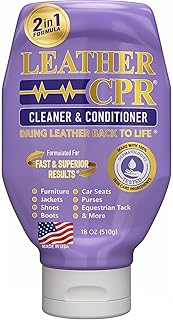
Leather CPR Cleaner and Conditioner
A dependable middle-ground option that cleans and conditions together while bringing back a bit of color depth on faded, tired-looking leather. Expect a slightly warmer, softer glow than the Weiman finish, which flatters traditional and cognac-toned sofas.
Frequently Asked Questions
How often should I condition a leather sofa?
Two to four times a year for most homes. Go toward the higher end if the sofa sits in direct sun, near a radiator or vent, or gets daily heavy use.
Will conditioner darken my leather?
Oil-based conditioners can slightly deepen the tone, usually evening out as they absorb. Always test an inconspicuous area, like the back or underside of a cushion, and wait a full day before doing the whole piece.
Can I use these on faux leather?
Not usefully. Synthetic upholstery has no fibers to feed, so conditioner just leaves residue. Clean it with mild soap and water instead.
How much should I apply?
Thin coats, worked in with a soft cloth in small sections. Over-application leaves a tacky surface that attracts dust, and buffing off the excess is part of the job, not an optional step.
Final Thoughts
For most sofas, Weiman Leather Cleaner & Conditioner is the sensible default, easy to use often and protective where it counts. If your leather has already gone dry and tight, Leather Honey Conditioner does the deeper restorative work, and the Leather Honey Complete Care Kit is the right call when the piece needs a proper clean before anything else goes on it.