Key takeaways
- Loft versus rebound: Fiber fill feels plush immediately but compresses under sustained pressure; high-density memory foam holds its arc for hours. If you nap in your recliner, choose foam. If you shift positions often, fiber is more forgiving.
- Depth match: Measure the gap behind your lower back while reclined, not while sitting upright. A four-inch cushion in a shallow gap pushes you forward and creates a new problem at the shoulders.
- Anchoring: Recliners move, and unsecured cushions migrate downward within minutes. Adjustable straps or a grippy backing are the difference between support and constant readjustment.
- Cover and airflow: Removable machine-washable covers are non-negotiable for daily-use seating. Breathable knits and velours run cooler than tight synthetics, which matters more than most buyers expect.
- Integrated versus add-on: If you are already replacing the chair, powered lumbar adjustment gives you a curve that changes with your recline angle, something no static cushion can match.
What's inside
Recliners are engineered for the horizon, not the spine. The moment a chair tips back, the pelvis rolls under and the natural inward curve of the lower back flattens into the upholstery, which is why so many beautifully built loungers leave you stiff after forty minutes. The gap is usually literal: a two- to four-inch void between the small of your back and the seat back, and your muscles spend the whole evening quietly trying to fill it.
This guide looks at the pieces that close that gap. We cover add-on lumbar cushions in both fiber and memory foam, plus two seats that build the support into the frame itself, so you can decide whether you need a cushion, a better chair, or the pairing of both. Selection criteria: how well the shape holds under load, how it behaves as the recline angle changes, and whether it looks like part of the room rather than a clinic accessory.
As an Amazon Associate we earn from qualifying purchases.




How to Choose a Recliner Lumbar Support (2026)
- Loft versus rebound: Fiber fill feels plush immediately but compresses under sustained pressure; high-density memory foam holds its arc for hours. If you nap in your recliner, choose foam. If you shift positions often, fiber is more forgiving.
- Depth match: Measure the gap behind your lower back while reclined, not while sitting upright. A four-inch cushion in a shallow gap pushes you forward and creates a new problem at the shoulders.
- Anchoring: Recliners move, and unsecured cushions migrate downward within minutes. Adjustable straps or a grippy backing are the difference between support and constant readjustment.
- Cover and airflow: Removable machine-washable covers are non-negotiable for daily-use seating. Breathable knits and velours run cooler than tight synthetics, which matters more than most buyers expect.
- Integrated versus add-on: If you are already replacing the chair, powered lumbar adjustment gives you a curve that changes with your recline angle, something no static cushion can match.
The Best Recliner Lumbar Supports (2026), Reviewed
Soft and Fluffy Thick Lumbar Cushion for Recliners
A generously filled fiber cushion that feels immediately welcoming rather than corrective, which makes it the easiest entry point for anyone who has bounced off firmer supports. Best suited to deeper recliner gaps and evening lounging; expect to fluff it periodically to maintain its shape.
SofGlowly Large Memory Foam Lumbar Support Cushion
The most versatile pick here, with a large contoured memory foam core that keeps its arc through long sessions on sofas, sectionals, and gaming chairs alike. The machine-washable cover and coffee colorway blend into most living rooms instead of announcing themselves.
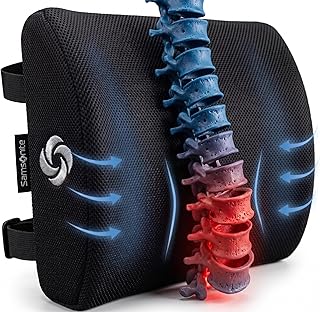
Samsonite Memory Foam Lumbar Support Pillow
A slimmer, more disciplined shape built for upright postures, which makes it the right choice for desk chairs and car seats and for shallow recliner gaps where a thick cushion would overcorrect. Dense foam and a restrained profile give it genuine travel utility.
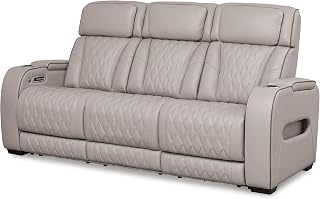
CHITA Genuine Leather Swivel Rocker Power Recliner
Triple-motor adjustment means the headrest and lumbar curve move independently of the recline, so your support tracks with your position rather than fighting it. The cognac leather, swivel base, and USB-C ports make it a legitimate centerpiece, not just an ergonomic solution.
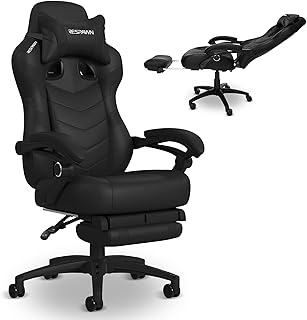
RESPAWN 110 Pro Ergonomic Gaming Chair
A strong dual-purpose option for a home office that doubles as a lounge, combining dedicated lumbar support with a 155-degree recline and an extendable footrest. It handles workday posture and evening decompression without needing two separate chairs.
Frequently Asked Questions
Where exactly should a lumbar cushion sit?
At the belt line, roughly level with your navel, not between the shoulder blades. Position it too high and it rounds your upper back forward, which undoes the benefit entirely.
Memory foam or fiber fill?
Foam for consistent, structured support over long sitting sessions; fiber for a softer feel and more adaptability across different seats. Foam holds its shape longer, fiber is lighter and easier to move around the house.
Will a cushion interfere with a power recliner?
No, as long as it sits ahead of the seat back and clear of the side gaps where the mechanism travels. Avoid wedging anything into the hinge area on either style of recliner.
Can lumbar support help existing back pain?
Many people find that maintaining the lower-back curve reduces the stiffness that comes from prolonged slouching. That said, persistent or radiating pain deserves a proper evaluation from a clinician rather than a cushion.
Final Thoughts
For most recliners, the SofGlowly memory foam cushion is the safest single purchase, holding its contour where softer pillows collapse. Choose the Samsonite pillow if your gap is shallow or you want one support that follows you between desk, car, and chair, and consider the CHITA swivel rocker power recliner if you would rather build the lumbar adjustment into the furniture and stop thinking about cushions altogether.