Key takeaways
- Hide grade first: Full-grain keeps the natural surface and develops patina; top-grain is sanded and coated for uniformity and easier cleanup. Bonded and “leather match” mean corrected or synthetic panels in the low-contact areas, which is fine at the right price but not at a premium one.
- Frame and foundation: Kiln-dried solid hardwood with a sag-resistant platform or sinuous spring deck holds its shape for a decade or more. Particleboard rails and elastic webbing tend to soften within a few seasons.
- Cushion fill strategy: Feather-down wrapped over foam gives that relaxed, collapsing look; high-resilience foam holds crisp lines. Choose based on whether you want a sofa that looks lived in or stays sharp.
- Depth and footprint: Measure seat depth, not just overall length. Anything past 22 inches of usable depth reads lounge-like; under 20 inches sits more upright and suits smaller rooms and apartment layouts.
- Delivery reality: Confirm whether the sofa arrives assembled, in modules, or flat-packed, and check doorway and stairwell clearance. Bolt-on leg designs and sectional modules are the easiest to get into tight buildings.
What's inside
Leather is the one upholstery category where the label does most of the lying. A listing can say “genuine leather” and mean a thin split hide sprayed with pigment, bonded scraps glued to backing, or a full-grain Italian hide that will outlive the room it sits in. Add the fact that most shoppers now buy sight unseen, and the decision comes down to reading spec sheets like a buyer rather than a browser: hide grade, frame material, seat foundation, and whether the leather is applied to every contact surface or just the front-facing panels.
This guide is built around where the value actually sits in 2026. Marketplace pricing has compressed the gap between showroom leather and direct-to-door leather, which means a genuinely good hide is reachable at several price tiers. Below are six sofas spanning traditional top-grain, Italian nappa and aniline-tanned full-grain, mid-century three-seaters, and durable faux options for high-traffic homes, with notes on who each one actually suits.
As an Amazon Associate we earn from qualifying purchases.


How to Choose a Place To Buy Leather Sofa (2026)
- Hide grade first: Full-grain keeps the natural surface and develops patina; top-grain is sanded and coated for uniformity and easier cleanup. Bonded and “leather match” mean corrected or synthetic panels in the low-contact areas, which is fine at the right price but not at a premium one.
- Frame and foundation: Kiln-dried solid hardwood with a sag-resistant platform or sinuous spring deck holds its shape for a decade or more. Particleboard rails and elastic webbing tend to soften within a few seasons.
- Cushion fill strategy: Feather-down wrapped over foam gives that relaxed, collapsing look; high-resilience foam holds crisp lines. Choose based on whether you want a sofa that looks lived in or stays sharp.
- Depth and footprint: Measure seat depth, not just overall length. Anything past 22 inches of usable depth reads lounge-like; under 20 inches sits more upright and suits smaller rooms and apartment layouts.
- Delivery reality: Confirm whether the sofa arrives assembled, in modules, or flat-packed, and check doorway and stairwell clearance. Bolt-on leg designs and sectional modules are the easiest to get into tight buildings.
The Best Place To Buy Leather Sofa (2026)s Reviewed
Signature Design by Ashley Colleton 92″ Leather Sofa
A traditional rolled-arm silhouette with nailhead trim, built on a sag-resistant platform foundation that keeps the long 92-inch span from dipping in the middle. Top-grain seating in dark brown makes it the safest pick for formal living rooms and anyone who wants classic proportions without custom-order lead times.
Valencia Artisan 88″ Full Italian Nappa Leather Sofa
Full nappa leather over a solid wood accent frame, and the softness is immediately obvious: nappa is tanned for suppleness rather than surface hardness, so it warms up fast and creases naturally. The cognac tan reads richer in daylight than most photos suggest, making this the choice for buyers prioritizing hand-feel over scratch resistance.
POLY & BARK Napa 88.5″ Leather Sofa
Full-grain Italian-tanned aniline leather is the standout here, since aniline dye lets the grain and tonal variation show through instead of masking it. Feather-down cushioning over a solid wood frame with walnut legs gives it a relaxed, curated look that ages into something better than it arrived.
AMERLIFE Genuine Top-Grain Leather 3-Seater
A clean mid-century frame in genuine top-grain leather at a notably accessible entry point for real hide. Best suited to studies, home offices, and smaller living rooms where you want leather’s durability and patina without committing to a full-size 90-inch footprint.
HULALA HOME 84″ Faux Leather Sofa
Button tufting, square armrests, and slim metal legs give this camel three-seater a sharper profile than most faux leather at this size. The easy-wipe surface and simple assembly make it a practical apartment or guest-room piece, and the supportive cushions resist the flattening common to budget upholstery.
Frequently Asked Questions
Is full-grain always better than top-grain?
Better is situational. Full-grain, like the aniline hide on the Poly & Bark Napa, is stronger and develops character but shows scratches early. Top-grain, as used on the Ashley Colleton, has a protective finish that shrugs off spills and pet claws with less visible wear.
Can I trust buying leather without seeing it in person?
Yes, if you shop by spec rather than photo. Look for named tanneries or tanning methods, stated hide grade, frame material, and a return window that covers at least a week of real use.
Does faux leather make sense for families?
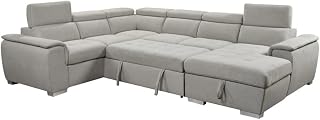
Often, yes. Modern PU surfaces clean up in seconds, which is why options like the Vesgantti 100″ L-shaped modular sectional with its movable ottoman work well in busy households and rental spaces where spills are routine.
How do I care for aniline or nappa leather?
Keep it out of direct sun, dust it with a dry cloth weekly, and condition it two to three times a year. Skip solvent cleaners entirely; they strip the oils that keep the hide flexible.
Final Thoughts
For the best overall hide and the most character over time, the POLY & BARK Napa is the pick, with the Valencia Artisan nappa sofa close behind for anyone who wants maximum softness in a warm cognac tan. If you need a large-scale traditional sofa with a foundation built to hold its shape, the Signature Design by Ashley Colleton remains the most dependable value in the group.