Key takeaways
- In-water vs. deck-side: Water-weighted loungers are engineered for tanning ledges and sun shelves at roughly 6 to 12 inches of depth. Standard patio chaises will float, tip, or scuff a pool finish, so decide where the chair lives before comparing anything else.
- Material honesty: Rotomolded LDPE and high-grade HDPE resist chlorine, salt, and UV without sealing or repainting. Powder-coated steel is fine on a dry deck but a liability where splash-back sits; all-weather PE wicker over aluminum splits the difference nicely.
- Ballast and stability: Look for chambers you fill with water on site rather than sand or fixed weights. It keeps shipping light, lets you drain the chair for winter storage, and holds position when someone shifts their weight or a wake rolls through.
- Cushion and fabric behavior: Quick-dry foam with removable, washable covers beats thick poly wrap every time. If a cushion can’t come off for a rinse, sunscreen and body oil will stain it permanently by midsummer.
- Recline range and footprint: Five-position frames cover reading, napping, and full-flat tanning. Measure your shelf width and deck clearance first, and confirm the chairs stack or fold if storage space is tight.
What's inside
Poolside seating is where most outdoor design plans quietly fall apart. The chair that looked crisp in a showroom starts sliding on wet travertine by week two, the cushions hold water like a sponge, and anything with a hollow frame becomes a floating hazard the moment it meets a Baja shelf. Add chlorine, salt mist, and eight hours of direct UV a day, and the failure points multiply fast: rusted hardware, chalking resin, webbing that goes brittle and splits at the seams.
This guide looks at pool chaises through a curator’s lens rather than a catalog one, separating true in-water loungers from deck-only pieces and flagging which materials actually survive a full season. Below you’ll find the specs worth checking before you buy, honest notes on five current standouts across price points, and answers to the questions that come up most once the chairs are on site.
As an Amazon Associate we earn from qualifying purchases.



How to Choose a Chaise Lounge For Pool (2026)
- In-water vs. deck-side: Water-weighted loungers are engineered for tanning ledges and sun shelves at roughly 6 to 12 inches of depth. Standard patio chaises will float, tip, or scuff a pool finish, so decide where the chair lives before comparing anything else.
- Material honesty: Rotomolded LDPE and high-grade HDPE resist chlorine, salt, and UV without sealing or repainting. Powder-coated steel is fine on a dry deck but a liability where splash-back sits; all-weather PE wicker over aluminum splits the difference nicely.
- Ballast and stability: Look for chambers you fill with water on site rather than sand or fixed weights. It keeps shipping light, lets you drain the chair for winter storage, and holds position when someone shifts their weight or a wake rolls through.
- Cushion and fabric behavior: Quick-dry foam with removable, washable covers beats thick poly wrap every time. If a cushion can’t come off for a rinse, sunscreen and body oil will stain it permanently by midsummer.
- Recline range and footprint: Five-position frames cover reading, napping, and full-flat tanning. Measure your shelf width and deck clearance first, and confirm the chairs stack or fold if storage space is tight.
The Best Chaise Lounge For Pool (2026), Reviewed
Aqua Outdoors In-Pool Lounge Chair
Built from heavy-duty LDPE with a water-weighted base and a 9-inch depth rating, this is the most purpose-built option here for tanning ledges and sun shelves. The seamless shell has no fasteners to corrode and no fabric to mildew, which makes it the low-maintenance choice for saltwater systems.
Coast Modern In-Pool Chaise Lounger
Coast Modern’s silhouette is the more design-forward take, with a tapered profile that reads as furniture rather than pool gear, plus a fully waterproof shell and internal ballast. It transitions cleanly from Baja shelf to patio, which is genuinely useful if your seating plan shifts with the season.
Coast Modern In-Pool Lounger, Gray
The gray colorway is the safer specification for contemporary hardscape, disappearing against bluestone, charcoal pavers, and dark plaster interiors. Worth noting that deeper tones run warmer underfoot, so it suits shaded or partially covered shelves best.
Murago Outdoor Chaise Lounge, Set of 2
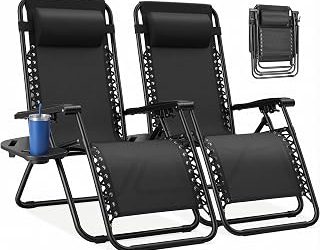
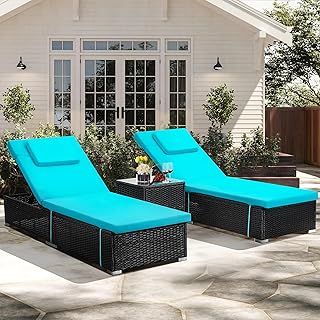
This all-weather wicker pair ships with a side table, adjustable backrests, and washable cushions in a soft light blue, making it the strongest deck-side value for a two-person setup. Keep it on the surround rather than in the water, and store the cushions under cover during storms.
EUNHOO Outdoor Chaise Lounge, Set of 4
Four loungers with five-position backrests and a waterproof, quick-drying surface make this the practical pick for rentals, larger families, or anyone who entertains in volume. Fit and finish are basic compared with the single-unit options, but the cost per seat is hard to argue with.
Frequently Asked Questions
Can I put a regular patio chaise in shallow water?
Not advisably. Non-weighted frames float or tip, and metal feet can scratch plaster, pebble, and vinyl surfaces. Use a chair rated for in-pool depth instead.
How do water-weighted loungers actually stay put?
Sealed chambers in the base fill with pool water, adding ballast without adding shipping weight. You drain them through a plug for storage or repositioning.
Will chlorine or salt damage these chairs?
Quality LDPE and HDPE shells handle both well. Rinse with fresh water occasionally to clear mineral film, and avoid abrasive cleaners that dull the finish.
How should I store pool loungers over winter?
Drain any ballast fully, dry the shell, and store upright or stacked out of freezing standing water. Bring cushions indoors.
Final Thoughts
For a dedicated tanning ledge, the Aqua Outdoors LDPE lounger is the most durable and lowest-fuss choice available right now. If aesthetics carry equal weight with function, the Coast Modern in-pool chaise delivers a cleaner line while still holding position in the water, and the EUNHOO four-pack remains the most sensible way to seat a crowd without overspending.