Key takeaways
- Leather compatibility: Choose a product clearly labeled for finished or sealed leather furniture, and confirm it is suitable for your sofa’s specific upholstery type.
- Clean versus condition: A cleaner lifts surface grime, while a conditioner replenishes softness. Two-in-one formulas are convenient; separate steps can offer more control.
- Finish and color: Look for guidance covering light, dark, natural, or pigmented leather. Avoid assuming a product is safe for suede, nubuck, aniline, or unfinished leather.
- Application: Sprays and liquid formulas are easy to distribute across large cushions, while kits with cloths make the process more orderly and consistent.
- Testing and frequency: Always patch-test in a hidden area, use a light application, and follow the sofa manufacturer’s care instructions before treating the entire piece.
What's inside
A leather sofa can look timeless one season and tired the next: body oils dull the finish, everyday spills leave dark patches, and the wrong cleaner can strip away essential moisture. Even well-kept leather needs a considered routine, especially in busy living rooms where sunlight, pets, and frequent lounging accelerate wear.
This guide focuses on practical leather-care formulas for finished leather furniture, balancing cleaning power with conditioning and long-term protection. We compare ready-to-use cleaners, richer conditioners, and complete kits so you can choose a treatment that suits your sofa’s finish, condition, and maintenance schedule.
As an Amazon Associate we earn from qualifying purchases.




How to Choose a/an To Clean Leather Sofa (2026)
- Leather compatibility: Choose a product clearly labeled for finished or sealed leather furniture, and confirm it is suitable for your sofa’s specific upholstery type.
- Clean versus condition: A cleaner lifts surface grime, while a conditioner replenishes softness. Two-in-one formulas are convenient; separate steps can offer more control.
- Finish and color: Look for guidance covering light, dark, natural, or pigmented leather. Avoid assuming a product is safe for suede, nubuck, aniline, or unfinished leather.
- Application: Sprays and liquid formulas are easy to distribute across large cushions, while kits with cloths make the process more orderly and consistent.
- Testing and frequency: Always patch-test in a hidden area, use a light application, and follow the sofa manufacturer’s care instructions before treating the entire piece.
The Best To Clean Leather Sofa (2026)s Reviewed
Weiman Leather Cleaner & Conditioner
Weiman’s compact 12-fluid-ounce formula is a straightforward choice for routine sofa maintenance. It combines cleaning and conditioning in one step and includes UV-protection positioning, making it especially appealing for leather furniture near bright windows. Use a small amount and work in sections to avoid oversaturating the upholstery.
Weiman Leather Cleaner & Conditioner, Two-Pack
The larger two-pack format is best suited to households maintaining several leather pieces or establishing a regular care schedule. It offers the same clean-and-condition approach as the single bottle, with extra supply for sofas, chairs, bags, or vehicle interiors. It is a practical pick when convenience matters more than specialized treatment.
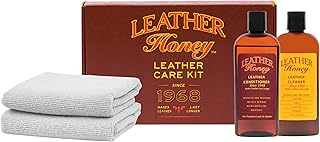
Leather Honey Complete Leather Care Kit
Leather Honey’s complete kit brings together cleaner, conditioner, and cloths, so it is a polished option for anyone starting a leather-care routine from scratch. The bundled format helps separate the cleaning stage from the conditioning stage, which is useful when a sofa needs more than a quick surface refresh.
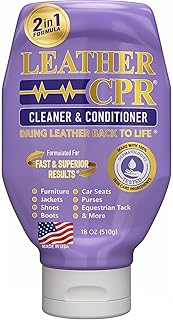
Leather CPR Cleaner and Conditioner
Leather CPR is designed for furniture and a broad range of leather goods, with a focus on restoring a softer, renewed appearance. Its single-product format keeps the process simple, making it a good fit for lightly worn sofas that need cleaning and conditioning without a multi-step kit.
Leather Honey Leather Conditioner
For a sofa that is already clean but feels dry or looks lackluster, Leather Honey Conditioner is the more targeted choice. It is positioned for use across colors, including white, and works well as the conditioning stage after careful dusting or a compatible leather cleaner. Apply sparingly and allow the surface time to absorb.
Frequently Asked Questions
Can I use leather cleaner on every sofa?
No. Leather varies by finish and construction. Check the manufacturer’s care label and identify whether the upholstery is finished, aniline, nubuck, or suede before applying any product. Many conventional cleaners are intended only for finished leather.
How often should I clean a leather sofa?
For most homes, light dusting or vacuuming with a soft brush attachment is appropriate weekly, while deeper cleaning can be done every few months or whenever visible grime appears. Conditioning is usually needed less often; overapplication can leave the surface greasy.
Should I clean or condition leather first?
Clean first, then condition once the surface is dry. Conditioning over dust or body oils can trap residue and produce an uneven finish. Work in small sections, use a soft cloth, and remove excess product rather than layering it on.
How can I prevent marks after treating the sofa?
Patch-test in an inconspicuous area, use minimal product, and buff gently with a clean cloth. Keep the sofa away from intense direct sunlight where possible, and avoid sitting on freshly treated areas until the product has fully settled according to its label directions.
Final Thoughts
For an easy everyday option, Weiman Leather Cleaner & Conditioner is a sensible starting point; the Leather Honey Complete Leather Care Kit is better for a structured clean-and-condition routine. If your sofa mainly needs moisture and renewed suppleness, Leather Honey Leather Conditioner is the focused pick—provided the upholstery is compatible and the application stays light.