Key takeaways
- Frame material: HDPE resin gives you solid, sculptural mass with zero maintenance and no fade. Powder-coated aluminum stays light enough to reposition one-handed and suits contemporary architecture. All-weather wicker over steel reads softer and warmer, though it needs cushions to work.
- Recline range: Five-position mechanisms are the practical standard, but confirm the final setting lies truly flat. Many “reclining” chaises stop at roughly 160 degrees, which is fine for reading and frustrating for napping or tanning.
- Mobility: Rear wheels matter more than buyers expect. Chasing shade across a deck is a daily activity, and a heavy HDPE lounger without wheels effectively becomes fixed furniture.
- Weight capacity and joinery: Look for 300 pounds or more, and check whether hardware is stainless steel. Corrosion at the pivot points is the most common failure mode on poolside furniture.
- Sets versus singles: Buying a pair produces a more resolved, symmetrical look and usually costs less per chair. A three-piece set with a side table saves you from hunting for a matching surface later.
What's inside
Outdoor seating has a way of collapsing under real use. The chaise that looked effortless in the listing photo turns out to weigh forty pounds, refuses to move across a stone patio, and pools rainwater in its cushion seams by August. Add chlorine splash, UV exposure, and the fact that most people want to lie fully flat rather than sit at a polite recline, and the shortlist of genuinely good patio loungers gets narrow fast.
This guide focuses on the chaises that hold up structurally and visually over multiple seasons. We looked at frame material, recline mechanics, wheel and armrest design, weight capacity, and how each piece reads in an actual outdoor room rather than a staged one. Below you’ll find our current picks, followed by the specifications worth checking before you commit.
As an Amazon Associate we earn from qualifying purchases.




How to Choose a Patio Chaise Lounge Chair (2026)
- Frame material: HDPE resin gives you solid, sculptural mass with zero maintenance and no fade. Powder-coated aluminum stays light enough to reposition one-handed and suits contemporary architecture. All-weather wicker over steel reads softer and warmer, though it needs cushions to work.
- Recline range: Five-position mechanisms are the practical standard, but confirm the final setting lies truly flat. Many “reclining” chaises stop at roughly 160 degrees, which is fine for reading and frustrating for napping or tanning.
- Mobility: Rear wheels matter more than buyers expect. Chasing shade across a deck is a daily activity, and a heavy HDPE lounger without wheels effectively becomes fixed furniture.
- Weight capacity and joinery: Look for 300 pounds or more, and check whether hardware is stainless steel. Corrosion at the pivot points is the most common failure mode on poolside furniture.
- Sets versus singles: Buying a pair produces a more resolved, symmetrical look and usually costs less per chair. A three-piece set with a side table saves you from hunting for a matching surface later.
The Best Patio Chaise Lounge Chairs (2026) Reviewed
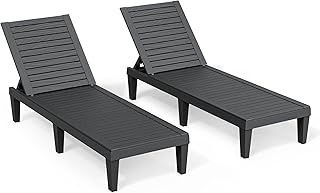
THOEOE HDPE Patio Chaise Lounge with Wheels
An oversized single lounger in solid HDPE, with a built-in cup holder, five recline positions, and rear wheels that make its considerable heft manageable. This is the pick if you want the substantial, architectural presence of resin furniture without committing to a full set.
HDPE Outdoor Chaise Lounge Chair, Set of 2 (Brown)
The same HDPE construction and five-position recline in a coordinated pair, which is the more sensible buy for most poolside layouts. The brown finish avoids the stark white that shows every leaf and water spot, and the integrated cup holders spare you a pair of side tables.
Kozyard 3-Piece Fully Flat Chaise Lounge Set
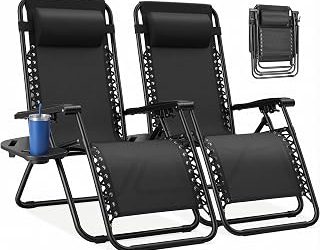
Textilene sling over an aluminum frame with resin legs, and it genuinely lies flat, which sets it apart from most adjustable loungers in this range. The two-chair-plus-table configuration is the fastest route to a finished poolside vignette, and the aqua colorway is a real design choice rather than a default.
Vexwalx Aluminum Chaise Lounge with Armrests
The lightest option here, with proper armrests, wheels, and a five-position recliner on a powder-coated aluminum frame. The khaki finish is quietly versatile, and the low weight makes this the one to choose if you rearrange your patio often or store chairs seasonally.
Brown Wicker Chaise Lounge Set of 2 with Blue Cushions
All-weather wicker with multi-angle backrests, thick cushions, and removable headrests, for anyone who finds resin and sling furniture too clinical. Plan on bringing the cushions in or covering them during long wet stretches to protect the fabric.
Frequently Asked Questions
Is HDPE or aluminum the better frame material?
HDPE resists fading, cracking, and chlorine without any upkeep, and its weight keeps it stable in wind. Aluminum wins on portability and a slimmer profile. Choose HDPE for permanent poolside placement, aluminum if the chair moves regularly.
Can these chairs stay outside year-round?
HDPE and aluminum frames handle full outdoor exposure indefinitely. Cushions and Textilene slings last considerably longer with covers or off-season storage, particularly in freeze-thaw climates.
How much clearance should I leave between two chaises?
Allow roughly 18 to 24 inches between chairs. That leaves room for a side table or a towel drop without the pair reading as a single crowded mass.
How do I clean a resin or wicker lounger?
Mild soap, warm water, and a soft brush handle both. Skip pressure washers and abrasive cleaners, which dull HDPE surfaces and can loosen woven wicker strands.
Final Thoughts
For most patios, the Kozyard three-piece set delivers the most complete result, combining a genuinely flat recline with a coordinated table. Choose the HDPE set of two if you want maximum durability and visual weight beside a pool, or the Vexwalx aluminum chaise if lightness and easy repositioning matter more than mass.