Key takeaways
- Roof pitch and material: Prioritize a sloped or peaked galvanized steel roof over flat polycarbonate. Steel sheds snow instead of holding it, and a visible pitch means gravity does most of your shoveling. Double-tier roofs add a vented gap that also cuts summer heat.
- Stated snow rating: Look for a published load figure in inches or pounds per square foot, then compare it against your region’s ground snow load from local building code. If a listing avoids the number entirely, treat that as your answer.
- Post dimension and frame gauge: Cedar posts in the 4.5-inch range carry meaningfully more than nominal 4x4s. In metal builds, check that aluminum extrusions are paired with steel roofing rather than aluminum throughout, since the two materials handle compression differently.
- Anchoring and footing plan: Concrete footings below your frost line prevent the seasonal heave that racks a frame out of square. Anchor kits included in the box are a starting point, not a substitute for proper pads.
- Drainage detail: Integrated gutters and downspouts keep meltwater off decking and away from post bases, which is where rot and ice damage begin. It is an unglamorous feature that extends service life by years.
What's inside
Snow load is the quiet killer of backyard structures. A gazebo that looks solid in July can buckle by February, because wet snow piles up at roughly 12 to 20 pounds per cubic foot, and a flat or shallow roof spanning 12 feet turns into a collecting basin. The failure usually starts small: a sagging polycarbonate panel, a fastener that works loose, a post that shifts on an unanchored footing. By the time you notice, the frame has already lost its geometry.
This guide focuses on gazebos built for genuine winter duty, the ones with peaked or double-tier galvanized steel roofs, heavy posts, and drainage that actually moves meltwater away from the structure. We look at cedar-post builds for buyers who want architectural warmth, and powder-coated aluminum for those who want low upkeep. Below you will find the picks, followed by the specifications that separate a four-season pavilion from a summer-only tent.
As an Amazon Associate we earn from qualifying purchases.


How to Choose a Gazebo For Heavy Snow (2026)
- Roof pitch and material: Prioritize a sloped or peaked galvanized steel roof over flat polycarbonate. Steel sheds snow instead of holding it, and a visible pitch means gravity does most of your shoveling. Double-tier roofs add a vented gap that also cuts summer heat.
- Stated snow rating: Look for a published load figure in inches or pounds per square foot, then compare it against your region’s ground snow load from local building code. If a listing avoids the number entirely, treat that as your answer.
- Post dimension and frame gauge: Cedar posts in the 4.5-inch range carry meaningfully more than nominal 4x4s. In metal builds, check that aluminum extrusions are paired with steel roofing rather than aluminum throughout, since the two materials handle compression differently.
- Anchoring and footing plan: Concrete footings below your frost line prevent the seasonal heave that racks a frame out of square. Anchor kits included in the box are a starting point, not a substitute for proper pads.
- Drainage detail: Integrated gutters and downspouts keep meltwater off decking and away from post bases, which is where rot and ice damage begin. It is an unglamorous feature that extends service life by years.
The Best Gazebo For Heavy Snow (2026)s Reviewed
Modern Shade Wood Grill Gazebo 12′ x 16′
The 4.6-inch cedar posts and sloped galvanized steel roof make this the most convincing snow-country build in the group, and the 12×16 footprint comfortably covers a grill station plus a seating zone. Plan on two people and a full weekend for assembly, plus poured footings if you want the rated performance.
Modern Shade Permanent Wood Gazebo 12×14
A slightly tighter version of the same engineering language, with the cedar frame, steel roof, and built-in hooks for lanterns or planters. The 12×14 proportion suits mid-size patios where the larger model would crowd the sightlines.
10×12 Cedar Wood Gazebo with Peak Roof
The steep peak roof is the standout here, clearing snow efficiently while adding vertical drama that flat-top metal designs cannot match. Cedar means periodic sealing, but you get UV protection and a structure that reads as architecture rather than equipment.
UDPATIO 10’x12′ Hardtop Gazebo
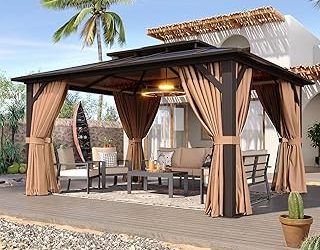
Rated to 49 mph wind and six inches of snow, this is the transparent-spec option for buyers who want a number to plan around. Dual-track sidewalls let you run curtains and netting simultaneously, which makes the space usable well into shoulder season.
Aoxun 12′ X 16′ Hardtop Gazebo
The integrated drainage system is the reason this one earns a place, routing meltwater off the double steel roof instead of letting it sheet onto your deck. At 12×16 in a restrained grey finish, it handles a dining set and lounge pairing without visual bulk.
Frequently Asked Questions
Do I need to clear snow off a rated hardtop gazebo?
Yes, once accumulation approaches the rated depth or when snow turns wet and dense. A roof rake used from the ground is safer than climbing, and clearing in stages avoids uneven loading on one side of the frame.
Cedar or aluminum for cold climates?
Both perform when properly specified. Cedar offers more thermal comfort and presence but wants staining every two to three years; powder-coated aluminum is essentially maintenance-free and will not check or split.
Can I install one on an existing wood deck?
Only if the deck framing can carry the added dead and snow load, which often means blocking or added footings underneath. Have a contractor confirm before drilling.
Should sidewalls stay up through winter?
Remove fabric curtains and netting before the first storm. They catch wind, ice up, and transfer stress to the frame at exactly the wrong moment.
Final Thoughts
For serious snow belt conditions, the Modern Shade 12′ x 16′ cedar gazebo remains the most structurally reassuring choice, with the 12×14 version covering smaller yards on the same platform. If you would rather skip wood maintenance entirely, the Aoxun 12′ X 16′ with its drainage system and double steel roof is the smarter long-term buy, while the UDPATIO 10’x12′ offers the clearest published ratings for anyone matching a gazebo to local code.