Key takeaways
- Sleeping position: Traditional gathered-end hammocks encourage a curved, cocoon-like posture, while flat-lay models provide a more open surface for back and side sleepers.
- Capacity: Check the stated weight limit and distinguish between single and double designs. A double hammock offers more room, but it may not be the best choice for sharing overnight.
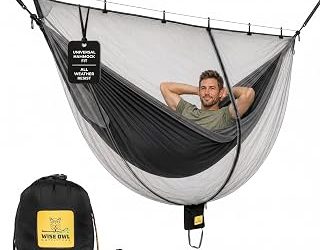
- Weather protection: For exposed campsites, an attached or compatible mosquito net and rainfly can be more useful than a hammock alone. Always verify how the cover is supported and secured.
- Suspension system: Tree straps make setup faster and reduce damage to tree bark. Look for included straps, adjustable attachment points, and hardware that feels straightforward to use.
- Packability: Nylon hammocks are light and easy to carry, but packed dimensions still matter for hiking. For home use, prioritize fabric feel, visual appeal, and ease of cleaning.
What's inside
A sleeping hammock can turn a campsite, patio, or spare room into a more comfortable retreat—but choosing one is rarely as simple as picking a color. Buyers need to balance body support, weather protection, setup hardware, packed size, and whether the hammock is intended for one person, two, or occasional indoor lounging.
This guide focuses on the details that matter in everyday use, from flat-lay designs and integrated bug nets to weight capacity and included tree straps. The recommendations cover versatile outdoor models that can also work beautifully in a relaxed home setting, such as a reading nook, covered porch, or guest space.
As an Amazon Associate we earn from qualifying purchases.


How to Choose a Sleeping Hammock (2026)
- Sleeping position: Traditional gathered-end hammocks encourage a curved, cocoon-like posture, while flat-lay models provide a more open surface for back and side sleepers.
- Capacity: Check the stated weight limit and distinguish between single and double designs. A double hammock offers more room, but it may not be the best choice for sharing overnight.
- Weather protection: For exposed campsites, an attached or compatible mosquito net and rainfly can be more useful than a hammock alone. Always verify how the cover is supported and secured.
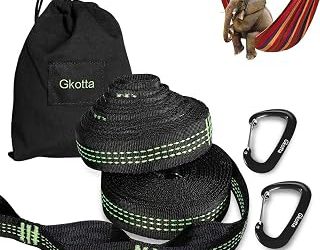
- Suspension system: Tree straps make setup faster and reduce damage to tree bark. Look for included straps, adjustable attachment points, and hardware that feels straightforward to use.
- Packability: Nylon hammocks are light and easy to carry, but packed dimensions still matter for hiking. For home use, prioritize fabric feel, visual appeal, and ease of cleaning.
The Best Sleeping Hammocks (2026) Reviewed
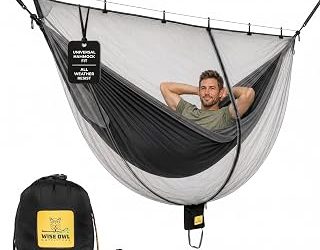
Camping Hammock Tent with Mosquito Net & RainFly
This three-in-one hammock tent is the most shelter-oriented option in the group, combining a sleeping hammock with insect protection and a rainfly. Its dark green finish suits wooded campsites, while the portable format makes it practical for backpacking, travel, and occasional backyard use.
ENO DoubleNest Camping Hammock
The ENO Eagles Nest Outfitters DoubleNest is a polished choice for buyers who want a well-known, roomy hammock with a relaxed feel. Its double-width design accommodates one person with plenty of space or two users for casual lounging, and the special-edition color options give it more visual personality than typical utility gear.
Lightweight Double Hammock, 772 lb Capacity
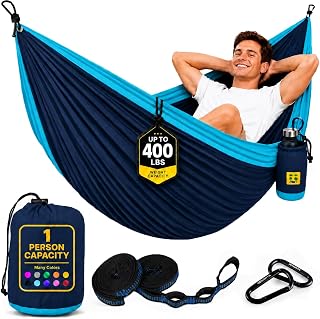
With a stated capacity of up to 772 pounds, this black double hammock is designed for generous lounging space and a reassuringly robust feel. It is a flexible pick for camping, beach days, backyard relaxation, or indoor use when you want a simple, neutral silhouette.
SZHLUX Double & Single Camping Hammock
The SZHLUX hammock stands out for versatility, offering both double and single configurations along with two tree straps and an attached carry bag. Its light gray and sky blue palette feels especially at home on a modern patio, but the lightweight construction remains suited to hiking, travel, and beach use.
Flat Lay Camping Hammock Tent with Mosquito Net & RainFly
For sleepers who dislike the deeply curved posture of a standard hammock, this flat-lay tent design is worth considering. It pairs a more open sleeping surface with a mosquito net and rainfly, creating a practical shelter for outdoor trips while retaining the compactness expected from hammock gear.
Frequently Asked Questions
Can you sleep overnight in a hammock?
Yes, provided the hammock is designed for sleeping and installed correctly. A flat-lay model may feel more natural for extended rest, while a traditional hammock can work well for users who enjoy a gently curved position.
Are sleeping hammocks comfortable for side sleepers?
Some side sleepers adapt well to a wide hammock, especially when it is hung with a moderate—not overly tight—sag. Flat-lay models generally provide more usable width and freedom to shift positions.
Do sleeping hammocks need a rainfly?
A rainfly is strongly recommended when camping in uncertain weather. It helps keep rain off the hammock and sleeping area, but it should be pitched with enough coverage and ventilation to reduce condensation.
Are included tree straps enough for setup?
They are often sufficient when attaching the hammock to suitable, healthy trees at an appropriate distance. Follow the manufacturer’s setup guidance, avoid damaging bark, and never attach a hammock to weak branches or unsuitable structures.
Final Thoughts
For sheltered overnight comfort, the Camping Hammock Tent with Mosquito Net & RainFly is the most complete package, while the ENO DoubleNest is a strong choice for refined everyday lounging. If flexible sizing and included suspension matter most, the SZHLUX Double & Single Camping Hammock offers an appealing balance of practicality, portability, and modern color.