Key takeaways
- Match capacity to the actual room, not the house: Combo units are sized for bedrooms, nurseries, and studies in the 200 to 1,000 sq ft range. Basements, open-plan levels, and anything with standing dampness need a 22 to 70 pint dedicated machine instead.
- Understand what “2-in-1” means: These units switch modes seasonally rather than running both functions simultaneously. If you want year-round balance in one footprint, that is the trade you are accepting.
- Plan the water logistics first: A 95 to 102 oz tank is a pleasant weekly chore in a bedroom and a daily annoyance in a wet basement. Continuous drainage through a hose is the difference between an appliance you maintain and one you forget about.
- Check the night behaviour, not just the decibel number: Look for a sleep mode that dims the display, softens the fan, and pauses auto-restart chimes. A 25 dB rating means nothing if the LED lights the ceiling.
- Weigh the extras honestly: Aroma diffusion, colour-cycling light, replaceable filters, and Wi-Fi control are real conveniences, but filters and cartridges are a recurring cost. Prioritise a reliable humidistat and auto shut-off above everything else.
What's inside
Humidity is the interior variable almost nobody plans for. You choose the walnut sideboard, the linen slipcover, the wide-plank oak floor, and then a wet spring swells every drawer in the house while a bone-dry January opens hairline gaps in the same joinery. Furniture and finishes live inside a fairly narrow comfort band, roughly 40 to 55 percent relative humidity, and most rooms drift outside it twice a year.
This guide covers the compact machines marketed as humidifier dehumidifier combos, plus the single-purpose units worth pairing with them when one appliance genuinely cannot cover a whole floor. We look at coverage, tank and drainage logistics, night-time noise, and how each unit actually behaves in a furnished room rather than an empty test space. One thing to set expectations early: true two-way units are a small, mostly small-room category, and the honest answer for a damp basement is still a dedicated dehumidifier.
As an Amazon Associate we earn from qualifying purchases.




How to Choose a Humidifier Dehumidifier Combo (2026)
- Match capacity to the actual room, not the house: Combo units are sized for bedrooms, nurseries, and studies in the 200 to 1,000 sq ft range. Basements, open-plan levels, and anything with standing dampness need a 22 to 70 pint dedicated machine instead.
- Understand what “2-in-1” means: These units switch modes seasonally rather than running both functions simultaneously. If you want year-round balance in one footprint, that is the trade you are accepting.
- Plan the water logistics first: A 95 to 102 oz tank is a pleasant weekly chore in a bedroom and a daily annoyance in a wet basement. Continuous drainage through a hose is the difference between an appliance you maintain and one you forget about.
- Check the night behaviour, not just the decibel number: Look for a sleep mode that dims the display, softens the fan, and pauses auto-restart chimes. A 25 dB rating means nothing if the LED lights the ceiling.
- Weigh the extras honestly: Aroma diffusion, colour-cycling light, replaceable filters, and Wi-Fi control are real conveniences, but filters and cartridges are a recurring cost. Prioritise a reliable humidistat and auto shut-off above everything else.
The Best Humidifier Dehumidifier Combos of 2026, Reviewed
2-in-1 Humidifier Dehumidifier Combo, 102 oz Tank
The most balanced pick in the true combo category, with the largest tank here and a genuinely quiet sleep mode that makes it viable on a nightstand. The seven-colour LED reads more decorative than technical, so it suits bedrooms and children’s rooms better than a home office.
4-in-1 Dehumidifier Humidifier Air Purifier with Aroma Diffuser
This one earns its place on versatility: automatic humidity control, a replaceable filter, and diffusion in a single small-room appliance running at or below 25 dB. Expect modest extraction volume compared with a dedicated unit, and budget for filter replacements.
Midea 22 Pint Dehumidifier
The smartest machine in this roundup, covering 1,500 sq ft with Energy Star efficiency, continuous drainage, a reusable air filter, and Wi-Fi with Alexa control. Pair it with a small humidifier in winter and you get better year-round performance than most combos deliver.
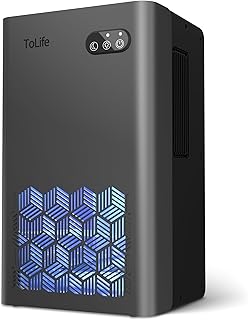
ToLife 1,000 Sq Ft Dehumidifier, 95 oz Tank
A tidy, portable option for bathrooms, closets, and single bedrooms, with sleep mode, auto shutoff, and a grey finish that disappears against most palettes. Tank-only drainage keeps it in the manageable-room category.
AIRPLUS 70 Pint Dehumidifier (AP2103)
The workhorse for serious moisture: 70 pints across 4,500 sq ft with a drain hose and auto shut-off, which is the correct answer for a basement storing furniture, textiles, or instruments. Overkill for a bedroom, essential below grade.
Frequently Asked Questions
Do combo units humidify and dehumidify at the same time?
No. They switch between modes as conditions change or as you select them, which is why they suit climates with distinct wet and dry seasons rather than rooms needing constant correction.
What humidity level protects wood furniture?
Aim for 40 to 55 percent. Below that, solid wood and veneer shrink and check; above 60 percent, joints swell and mould risk climbs in upholstery and case interiors.
Where should I place the unit?
Central, with at least 12 inches of clearance on the intake and exhaust sides, and away from curtains, upholstered arms, and open shelving. Keep humidifier output well clear of finished wood surfaces.
Are passive moisture absorbers still worth using?
Yes, for enclosed spaces a machine cannot reach. A reusable absorber like the DampRid moisture absorber with drop-in tablets works well in wardrobes, sideboards, and under-sink cabinets where musty odours collect.
Final Thoughts
For a bedroom or study that swings both ways across the year, the 102 oz 2-in-1 combo is the most practical single purchase, with the 4-in-1 diffuser model close behind if you want filtration and scent in the same footprint. For anything damp, structural, or below grade, skip the combo and buy the Midea 22 Pint for smart, efficient whole-floor control, or the AIRPLUS 70 Pint if you are protecting furniture in a genuinely wet basement.