Key takeaways
- Steam temperature and pressure: Look for output at 230°F or higher. Temperature loosens soil, but pressure is what drives vapor into a recessed joint — canister units generally deliver more of both than uprights, which matters on textured or slate-look tile.
- A dedicated grout brush: A flat mop pad glides over grout lines without touching the bottom of them. A small nylon or brass detail brush that concentrates steam into a narrow jet is the single most useful accessory for joint work.
- Variable steam control: Sealed porcelain tolerates maximum output; glazed ceramic, vinyl plank, and sealed hardwood do not. Two or three settings let one machine serve the whole floor plan without risking finish damage.
- Tank capacity versus maneuverability: Larger tanks mean fewer refills across open-plan tile, but add weight overhead on an upright. If you’re cleaning a bathroom and entryway rather than 800 square feet, a compact tank with a fast reheat is the smarter trade.
- Detachable handheld function: Grout doesn’t stop at the floor. A mop that converts to a handheld unit reaches shower walls, backsplash seams, and tub surrounds — the places where discoloration is most visible and hardest to reach.
What's inside
Grout is the quiet saboteur of a well-designed floor. You can specify beautiful porcelain in a herringbone lay, seal it properly, and still watch the joints go grey within a season — because grout is porous, slightly recessed, and sits exactly where shoes, pet paws, and mop water deposit their sediment. A cotton mop simply pushes that slurry back and forth. Chemical cleaners lift the surface film but leave the biofilm in the channel, which is why tile can look clean under lamplight and dingy under daylight.
Steam solves the problem differently: pressurized vapor at 200°F and above softens embedded soil and lifts it out of the joint, no detergent residue left behind to attract more dirt. But not every steam mop is built for grout work. This guide breaks down what actually matters for tile-and-grout performance in 2026 — steam temperature, pressure delivery, and detail-brush access — then reviews the machines worth your counter space, from a full canister system to slim upright models that live in a hall closet.
As an Amazon Associate we earn from qualifying purchases.




How to Choose a/an Steam Mop For Tiles And Grout (2026)
- Steam temperature and pressure: Look for output at 230°F or higher. Temperature loosens soil, but pressure is what drives vapor into a recessed joint — canister units generally deliver more of both than uprights, which matters on textured or slate-look tile.
- A dedicated grout brush: A flat mop pad glides over grout lines without touching the bottom of them. A small nylon or brass detail brush that concentrates steam into a narrow jet is the single most useful accessory for joint work.
- Variable steam control: Sealed porcelain tolerates maximum output; glazed ceramic, vinyl plank, and sealed hardwood do not. Two or three settings let one machine serve the whole floor plan without risking finish damage.
- Tank capacity versus maneuverability: Larger tanks mean fewer refills across open-plan tile, but add weight overhead on an upright. If you’re cleaning a bathroom and entryway rather than 800 square feet, a compact tank with a fast reheat is the smarter trade.
- Detachable handheld function: Grout doesn’t stop at the floor. A mop that converts to a handheld unit reaches shower walls, backsplash seams, and tub surrounds — the places where discoloration is most visible and hardest to reach.
The Best Steam Mop For Tiles And Grout (2026)s Reviewed
McCulloch MC1385 Canister Steam Cleaner
This is the closest thing to professional restoration equipment in a consumer package: a pressurized canister that sustains high-temperature steam through a long hose, with 23 accessories including the detail brushes that make grout work possible. It’s the pick if you’re reviving neglected joints rather than maintaining clean ones, and the trade-off is storage bulk plus a genuine learning curve.
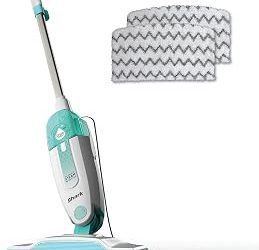
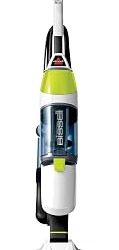
BISSELL PowerFresh 1940A Steam Mop
The PowerFresh remains a benchmark for good reason — a 12-inch cleaning path, three steam levels, and a flip-down Easy Scrubber that adds mechanical agitation to the vapor for baked-on spots. It handles routine tile upkeep gracefully, though deeply stained grout will still want a detail brush and a second pass.
FEPPO Steam Mop & Handheld Cleaner
A 15-second heat-up and 230°F output make this one of the more practical everyday choices, and the detachable handheld converts it into a legitimate bathroom tool for shower grout and fixture seams. Best suited to homes where quick, frequent cleaning beats occasional deep restoration.
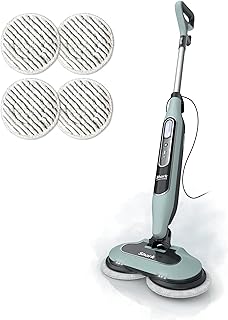
Shark Steam & Scrub S8001
Shark’s approach is self-cleaning: four Dirt Grip pads rotate against the floor, scrubbing continuously rather than dragging soil across it. The XL tank and LED headlights are genuinely useful on dark tile, and the swivel steering handles tight bathroom layouts better than most uprights.
10-in-1 MultiPurpose Steam Mop
With 11 accessories and a detachable handheld body, this is the versatility play — floor steaming, grout brushing, upholstery refreshing, and garment work from one unit. Build quality sits below the name-brand options, but the accessory range covers more surfaces than machines costing considerably more.
Frequently Asked Questions
Will steam damage my grout or loosen tile?
Properly cured grout and well-set tile handle steam without issue. Risk appears with cracked or crumbling grout, unsealed natural stone, and tile installed over failing adhesive — inspect first, and avoid holding a jet in one spot for extended periods.
Do I need cleaning solution with a steam mop?
No, and most manufacturers void warranties if you add it. Steam sanitizes through heat alone, and detergent residue in the tank causes clogging while leaving a film on tile that attracts new soil.
How often should I steam tile floors?
Weekly in high-traffic zones like kitchens and entryways, monthly elsewhere. Grout stains progressively, so consistent light cleaning prevents the deep-set discoloration that requires a canister unit to reverse.
Is distilled water necessary?
It’s strongly recommended in hard-water regions. Mineral scale is the leading cause of steam mop failure, and distilled water costs far less than a replacement machine.
Final Thoughts
For most homes, the BISSELL PowerFresh 1940A hits the right balance of steam control, cleaning width, and reliability for routine tile maintenance. If your grout has already gone dark and needs genuine restoration, the McCulloch MC1385 canister has the pressure and brush selection to bring it back. And for smaller footprints where bathroom walls matter as much as floors, the Shark Steam & Scrub S8001 offers the most refined everyday experience.