Key takeaways
- Blot spills immediately. White leather absorbs liquid faster than darker hides appear to. Press a dry cloth into the spill — don’t rub — and work from the outside edge inward to prevent spreading.
- Keep it out of direct sun. UV exposure is the number-one cause of yellowing on white leather. Use curtains, blinds, or a UV-protective spray to shield the sofa throughout the day.
- Clean before you condition, every time. Applying conditioner over dirty leather seals grime into the surface and reduces the product’s effectiveness.
- Test new products on a hidden spot first. Apply any cleaner or balm to the underside of the sofa or the back of a cushion and wait 24 hours before treating visible areas.
What's inside
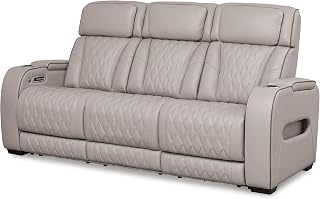
A white leather sofa makes a bold statement in any room — but keeping it spotless is a different story. Between body oils, dye transfer from jeans, coffee spills, and everyday dust, white leather shows every mark fast. Most people either panic-clean with the wrong product or avoid maintenance altogether, which accelerates yellowing and cracking. Either approach shortens the life of an investment piece that should last decades with the right care.
This guide walks you through exactly how to clean and maintain a white leather sofa at home, from the tools you need to the technique professionals actually use. You’ll learn which products are worth your money, how often to treat your leather, and which mistakes to skip entirely. By the end, you’ll have a simple routine that keeps your sofa looking factory-fresh year-round.
As an Amazon Associate we earn from qualifying purchases.




Why White Leather Needs a Different Approach
White leather isn’t just colored leather — it’s unforgiving leather. Unlike darker hides that mask minor stains and wear, white surfaces amplify every smudge and scratch. Most white leather sofas are finished (meaning they’ve been coated with a protective top layer), so you need cleaners designed for finished leather specifically. Harsh all-purpose cleaners or dish soap can strip that topcoat, leaving the hide exposed to staining and UV damage. Always confirm your sofa is genuine leather or finished faux leather before choosing a product, since the cleaning method differs.
Step 1: Start With a Dry Dusting Pass
Before applying any liquid, remove loose debris with a dry microfiber cloth. Wipe the entire surface in one direction — don’t scrub in circles, which can push grit into the grain. Pay attention to seams and tufted areas where dust collects. Skipping this step means you’ll grind particles into the leather once it’s wet, creating micro-scratches that dull the finish over time. This takes two minutes and protects every step that follows.
Step 2: Choose the Right Cleaner for the Stain
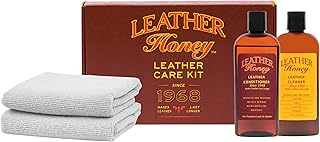
Not all leather cleaners treat every problem equally. For general cleaning, a dedicated leather cleaner like Leather Honey Leather Cleaner works well on white leather because it’s pH-balanced, non-toxic, and won’t leave residue that attracts future dirt. If your sofa has light scuffs or dullness in addition to surface grime, a combined cleaner-conditioner such as Weiman Leather Cleaner & Conditioner handles both tasks in one pass — useful for routine maintenance every two to four weeks.
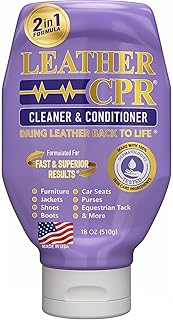
Apply a small amount of your chosen cleaner to a clean, damp microfiber cloth rather than spraying directly onto the sofa. Work in small sections, wiping gently with even pressure. Let the product sit for the time specified on the label (usually one to two minutes), then buff with a dry cloth. For deeper grime or set-in stains, the Leather CPR Cleaner and Conditioner is formulated to lift embedded dirt without over-wetting the surface.
Step 3: Condition to Prevent Cracking
Cleaning without conditioning is like washing your hair without conditioner — the surface is clean but stripped and vulnerable. White leather is especially prone to drying out, which leads to visible creasing and eventual cracking. After cleaning and once the leather is fully dry, apply a quality leather conditioner. Products like Weiman Leather Cleaner & Conditioner combine UV protection with moisture replenishment, which matters if your sofa sits near a window. For a thorough treatment, the Leather Complete Leather Care Kit bundles a cleaner, conditioner, and application cloths — convenient if you’re setting up a long-term routine rather than a one-off fix.
Step 4: Handle Color Loss and Deep Damage
If your white leather has developed yellowish discoloration, visible dye transfer, or scratches that go deeper than the surface, a standard cleaner won’t restore it. A Leather Recoloring Balm with Mink Oil can fill in light scratches and restore lost pigment on white or off-white surfaces. Apply it sparingly with a soft cloth, working it into the affected area in circular motions, then buff. For extensive damage — say, a tear or deep gouge — it’s worth consulting a professional leather repair service rather than attempting a patch job.
Tips
- Blot spills immediately. White leather absorbs liquid faster than darker hides appear to. Press a dry cloth into the spill — don’t rub — and work from the outside edge inward to prevent spreading.
- Keep it out of direct sun. UV exposure is the number-one cause of yellowing on white leather. Use curtains, blinds, or a UV-protective spray to shield the sofa throughout the day.
- Clean before you condition, every time. Applying conditioner over dirty leather seals grime into the surface and reduces the product’s effectiveness.
- Test new products on a hidden spot first. Apply any cleaner or balm to the underside of the sofa or the back of a cushion and wait 24 hours before treating visible areas.
Frequently Asked Questions
How often should I clean my white leather sofa?
For general upkeep, wipe the surface with a dry microfiber cloth weekly and use a dedicated leather cleaner every four to six weeks. Condition every three to six months depending on usage and climate — drier environments require more frequent conditioning.
Can I use vinegar or baking soda on white leather?
Vinegar and baking soda are popular home remedies, but they can damage the protective finish on most leather sofas. White vinegar is mildly acidic and can dull the surface over time, while baking soda is abrasive enough to scratch the grain. Stick to products specifically formulated for leather.
My white leather has turned yellow. Can I fix that at home?
Mild yellowing from sun exposure can often be improved with a quality cleaner-conditioner combination and regular treatments. Severe discoloration may require a leather recoloring balm or professional restoration. Prevention is your strongest tool — UV protection makes a significant difference over time.
What’s the difference between a leather cleaner and a leather conditioner?
A cleaner removes surface dirt, oils, and stains. A conditioner restores moisture and flexibility to the hide, preventing it from drying out and cracking. Using both in sequence — clean first, then condition — is the foundation of any effective leather care routine.
Conclusion
White leather demands consistent attention, but the routine itself is straightforward: dust, clean, condition, and protect. Invest in products made specifically for leather care, keep up with a simple schedule, and your sofa will reward you with years of clean, supple surfaces. Start with the basics — the right cleaner and a good microfiber cloth — and build from there. Your future self, still lounging on a spotless sofa, will thank you.