Key takeaways
- Match the material first: Oils only work on porous wood. Vinyl, powder-coated metal, resin wicker, and stone need a synthetic restorer instead, and applying oil to them just leaves a residue that attracts dirt.
- Penetrating oil vs. film finish: Oils soak in, refresh color, and wear away gradually with no peeling. Film finishes like spar urethane sit on top, resist water far better, and last longer, but eventually need sanding rather than a quick wipe-on refresh.
- Insist on UV protection: Sunlight, not rain, is what grays wood and fades plastic. Look for UV absorbers named on the label; a plain oil with none will feed the wood but won’t hold color through a full summer.
- Check dry time against your weather window: Fast-drying formulas let you finish a dining set in an afternoon and get two coats down before dew. Slower oils need a genuinely dry stretch or they stay tacky and collect pollen.
- Do the coverage math: A six-chair set with a table eats more product than people expect, especially on thirsty first coats. Buying a larger container costs less per square foot than topping up mid-project with a mismatched batch.
What's inside
Every spring, the same scene plays out on decks and terraces: the cover comes off, and the furniture underneath looks nothing like the pieces you put away. Teak has gone the color of driftwood. Acacia feels dry and faintly fuzzy under your palm. Resin wicker has that chalky bloom, and the aluminum frame has lost its depth. None of it is broken, exactly, but the whole set reads tired. The fix is rarely replacement. It’s the right finish, applied at the right moment, before UV and moisture do structural work rather than cosmetic damage.
The trouble is that “finish” covers wildly different chemistry. A penetrating oil, a tung-oil-based sealer, a water-based spar urethane, and a synthetic surface restorer solve different problems and behave differently over a season. This guide sorts them by material and by maintenance appetite: what to reach for on solid hardwood, what actually works on vinyl and plastic, and which products earn their keep on furniture that lives outdoors year-round.
As an Amazon Associate we earn from qualifying purchases.



How to Choose a Finish for Patio Furniture (2026)
- Match the material first: Oils only work on porous wood. Vinyl, powder-coated metal, resin wicker, and stone need a synthetic restorer instead, and applying oil to them just leaves a residue that attracts dirt.
- Penetrating oil vs. film finish: Oils soak in, refresh color, and wear away gradually with no peeling. Film finishes like spar urethane sit on top, resist water far better, and last longer, but eventually need sanding rather than a quick wipe-on refresh.
- Insist on UV protection: Sunlight, not rain, is what grays wood and fades plastic. Look for UV absorbers named on the label; a plain oil with none will feed the wood but won’t hold color through a full summer.
- Check dry time against your weather window: Fast-drying formulas let you finish a dining set in an afternoon and get two coats down before dew. Slower oils need a genuinely dry stretch or they stay tacky and collect pollen.
- Do the coverage math: A six-chair set with a table eats more product than people expect, especially on thirsty first coats. Buying a larger container costs less per square foot than topping up mid-project with a mismatched batch.
The Best Finishes for Patio Furniture (2026), Reviewed
STAR BRITE Premium Golden Teak Oil
Built on tung oil polymers with UV absorbers, this is the closest thing to a marine-grade standard for outdoor hardwood, and it shows in how long the color holds. The golden tone is warm rather than orange, and the fast dry time means you can layer coats the same day.
Varathane Water-Based Ultimate Spar Urethane
When you want a protective film rather than a finish you re-oil twice a season, this is the pick: flexible enough to move with wood through temperature swings, and low-odor with easy water cleanup. The satin sheen looks appropriate on outdoor furniture, where gloss tends to read plasticky.
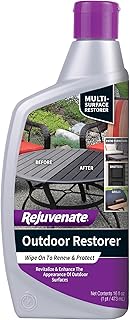
Rejuvenate Outdoor Restorer
The specialist here, and the only product on this list aimed at everything that isn’t wood. On faded resin chairs, vinyl shutters, and dulled grill housings it restores depth in a single wipe-on pass, with enough coverage to handle a whole patio’s worth of surfaces.
LinSheen Boiled Linseed Oil
A traditional, deeply penetrating treatment that revives parched, splintery wood better than almost anything, which makes it ideal for neglected benches and old teak that has gone bone-dry. Note it offers less UV defense than the tung-oil sealers, so it works best as a restorative first step.
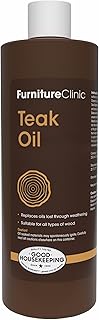
Furniture Clinic Teak Oil
A cleaner-plus-oil in one, finishing to a natural matte rather than a sheen, which suits Scandinavian-leaning and minimalist pieces where a glow would look wrong. It’s equally at home on indoor teak and shower benches, making it a sensible single bottle for mixed furniture.
Frequently Asked Questions
How often do I need to reapply teak oil?
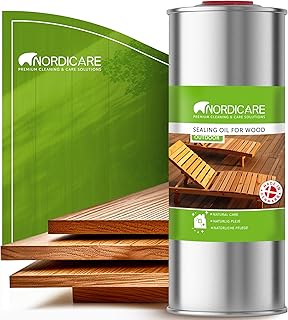
Plan on two applications a year in full sun, once a year in partial shade. A larger bottle like the Nordicare 34 oz makes that rhythm affordable across a full dining set.
Can I apply spar urethane over oiled wood?
Not reliably. Oil left in the grain interferes with adhesion, so the wood needs to be stripped, sanded, and fully cured dry first.
Will oil keep teak from turning silver-gray?
It slows the process considerably, but graying is oxidation and will resume as the oil weathers off. A UV-absorbing sealer holds color longest.
Do I have to sand before refinishing?
For oils, a wash and a light scuff on rough spots is usually enough. For film finishes, sanding is not optional.
Final Thoughts
For solid teak and acacia that lives in the sun, STAR BRITE Premium Golden Teak Oil offers the best balance of color and UV protection, while Varathane Ultimate Spar Urethane is the right answer when you’d rather refinish once and forget it. Pair either with Rejuvenate Outdoor Restorer for the resin, vinyl, and metal pieces, and a full patio comes back to life for a fraction of replacement cost.