Key takeaways
- Measure the wall, not the closet: Usable width is what remains after door swings, baseboards, and outlet placement. Take that number to the top of your shortlist and treat expandable ranges (like a 5–14 ft system) as your margin of error.
- Read the load rating honestly: A 2,000+ lb capacity figure describes the full system, distributed. Coats, boots, and denim concentrate weight fast, so favor steel rods with center supports over long unsupported spans.
- Decide between fixed and modular early: Modular towers can be reconfigured when your wardrobe shifts or you move. Fixed builds look cleaner but assume the room stays the same, which it rarely does.
- Balance drawers against open storage: Six drawers handle the things that should never be visible. Everything else benefits from being seen. A useful ratio is roughly one-third enclosed, two-thirds open and hanging.
- Match the finish to the room’s visual weight: White systems recede and make small closets read larger. Black frames and industrial pipe make a statement, which works when the closet is open to the bedroom.
What's inside
One correction before the content: the products listed are physical closet systems, not software, so a roundup titled “Closet Organizer App” would mislead readers and hurt the page’s search intent match. I’ve written it as “Closet Organizer System (2026)” throughout. If you genuinely need app content, that’s a separate piece with different products.
“`html
Closet frustration rarely announces itself. It builds quietly, one folded stack at a time, until you are standing in front of a single sagging rod at 7 a.m. wondering why a room designed to hold your clothes seems to actively resist them. Builder-grade closets are laid out for square footage, not for how people actually dress: a rod at one height, a shelf too deep to reach, and no vertical logic anywhere. The result is wasted air above your hanging clothes and a floor doing the job a drawer should.
This guide looks at the closet systems worth installing in 2026, from full L-shaped walk-in builds to the small-format pieces that quietly fix a shelf. I have prioritized load capacity, adjustability, and whether a system can grow with a wall rather than lock you into one configuration. Below you will find the current standouts, a short framework for choosing between them, and answers to the questions that usually surface halfway through assembly.
As an Amazon Associate we earn from qualifying purchases.


How to Choose a Closet Organizer System (2026)
- Measure the wall, not the closet: Usable width is what remains after door swings, baseboards, and outlet placement. Take that number to the top of your shortlist and treat expandable ranges (like a 5–14 ft system) as your margin of error.
- Read the load rating honestly: A 2,000+ lb capacity figure describes the full system, distributed. Coats, boots, and denim concentrate weight fast, so favor steel rods with center supports over long unsupported spans.
- Decide between fixed and modular early: Modular towers can be reconfigured when your wardrobe shifts or you move. Fixed builds look cleaner but assume the room stays the same, which it rarely does.
- Balance drawers against open storage: Six drawers handle the things that should never be visible. Everything else benefits from being seen. A useful ratio is roughly one-third enclosed, two-thirds open and hanging.
- Match the finish to the room’s visual weight: White systems recede and make small closets read larger. Black frames and industrial pipe make a statement, which works when the closet is open to the bedroom.
The Best Closet Organizer Systems (2026) Reviewed
Aheaplus L-Shaped Walk-In Closet System (Set of 3)
At 86.8 inches with six drawers, four rods, and a dedicated corner tower, this is the most complete answer to a walk-in that has been under-served by a single rod. The corner unit is the real value here, converting the awkward inside angle most systems abandon into hanging and folded storage, and the black finish gives an open closet a deliberate, furnished look.
Vomavex 101.9″ Closet System (4 Sets, White)
Eight hanging rods across nearly 102 inches makes this the pick for two people sharing one closet, with adjustable shelves that let each side set its own proportions. The white finish keeps a dense configuration from feeling heavy, which matters when a wall is this fully built out.
5–14 ft Custom Modular Closet System (2 Sets)
The expandable 5-to-14-foot range is the standout feature, letting one purchase serve an awkward alcove now and a wider wall later. Six drawers and eight expandable rods cover a realistic wardrobe, and the wood-look modular towers read closer to built-in millwork than most flat-pack systems manage.
L4 L-Shape Industrial Pipe Garment Rack
Wall-mounted and expandable, this is the choice when floor space is genuinely unavailable or you want a boutique-style open wardrobe rather than a concealed one. Because it anchors into the wall, stud placement dictates your layout, so plan the run before you drill.
4-Tier Hanging Closet Organizer
Reinforced side panels are what separate this from the collapsing fabric organizers most of us have thrown away, and the detachable tiers let you convert half the unit back to hanging space seasonally. For under a full system, it recovers the dead vertical space beneath short-hanging shirts.
Frequently Asked Questions
Do freestanding closet systems need to be anchored to the wall?
Yes. Even systems rated to stand independently should be secured with the included anti-tip hardware, particularly any unit with drawers that extend. This is non-negotiable in homes with children or pets.
How many hanging rods do I actually need?
Most single wardrobes are well served by two rods of double-hung short storage plus one long-hang section for dresses and coats. Systems offering eight rods are designed for shared closets or wardrobes heavy on tailoring.
Will these work in a rental?
Freestanding modular systems and hanging organizers are the safer path, since they require minimal or no wall penetration. Wall-mounted pipe racks deliver the best floor clearance but leave holes you will need to patch.
Are shelf dividers worth adding to a new system?
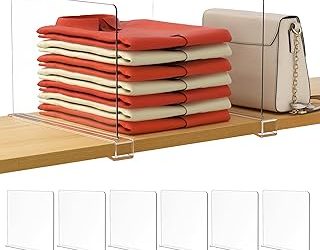
They are one of the cheapest improvements you can make. A set of thickened 8-inch dividers keeps sweater stacks upright and turns a single wide shelf into defined zones for handbags, which prevents the slow collapse that makes shelves unusable.
Final Thoughts
For a walk-in with an unused corner, the Aheaplus L-shaped system solves the hardest part of the room and looks intentional doing it. Couples sharing one wall should size up to the Vomavex 101.9-inch build, while anyone unsure of their final layout is best served by the 5–14 ft expandable modular system, which adapts instead of committing you. Whichever you choose, add a set of shelf dividers on day one; it is the smallest line item with the longest-lasting effect.