Key takeaways
- Handle: A built-in handle makes carrying a full bottle far easier. A full 5-gallon bottle weighs roughly 40 pounds, so look for a molded grip.
- Wall thickness: Heavy-wall bottles resist dents and last longer in repeated use. Thin single-use bottles are not meant for refilling.
- Clarity: Clear bottles let you see the water level and any residue. Tinted bottles may block light, which discourages algae when stored in bright spots.
- Cap type: Valve caps reduce spills during a swap. Replace caps and gaskets regularly because they wear first.
- Certification: Look for NSF or FDA-compliant food-contact materials as stated by the maker on the product page or packaging.
The best 5-gallon bottle for a home cooler is a reusable bottle in the material you are comfortable with (PET for lightweight and clear, Tritan-type resin for a BPA- and BPS-free claim from the maker, or polycarbonate for a long-lived heavy-duty jug) with a cap style that matches your cooler’s neck. Match the cap first, then choose material, handle design and refill plan.
Our top picks


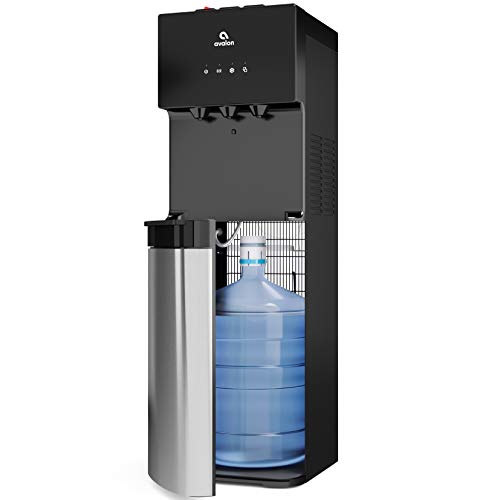
As an Amazon Associate we earn from qualifying purchases at no extra cost to you.
At a Glance: 5-Gallon Bottle Types
| Type | Best for | Key stated points | Limits |
|---|---|---|---|
| PET reusable (e.g., Buckeye heavy-wall, EcoForm, New Wave Enviro PET) | Buyers wanting lighter, clear, BPA-free-by-composition bottles | Petainer says its bottles can be refilled up to 25 times; Buckeye Bottles claims over 150 cycles in delivery use. Both figures are the makers’ own | Less rigid than polycarbonate; scratches and wear shorten life |
| Tritan-type resin (New Wave Enviro) | Buyers who want a rigid bottle with a BPA- and BPS-free claim | Maker states BPA and BPS free | Higher tier than basic PET |
| Polycarbonate (e.g., H8O with handle, Organize.com crown-top) | Heavy, long-term home or office use | Rigid, durable, often marked recycling code 7; some sellers state their bottles are free of BPA and other bisphenols | Polycarbonate is made from BPA as a building block; the “bisphenol-free” claims are the sellers’ own statements |
| Single-use or exchange bottles from a delivery service | Households that get scheduled refills | Supplier handles sanitizing and refills | Cap and bottle types are set by the supplier |
Start With the Cap and Neck
Before comparing materials, match the closure to your cooler. Several 5-gallon bottles use a 48mm screw cap, while others use a crown top or a no-spill cap with a valve. Top-load coolers generally accept standard neck sizes with a cap you remove. Bottom-load coolers often require a bottle with a particular cap or a tap-style adapter. If the cooler manual lists approved bottle styles, follow it. A mismatched cap can leak, restrict flow, or make the pump work harder.
Material Choices Explained
PET
PET (usually recycling code 1) is common for bottled water and is BPA-free by composition. It is lighter and clearer than polycarbonate and widely used for cold water. Refill-cycle numbers come from the makers, such as Petainer and Buckeye Bottles, and refer to commercial handling. A home bottle that is dropped, scratched or stored in sunlight will not last as long, so retire any bottle that is cloudy, cracked or retains odors.
Tritan-type resin
New Wave Enviro sells a resin bottle it describes as BPA and BPS free. It sits between PET and polycarbonate in rigidity. As with all maker claims, read the product sheet for the exact material and any food-safety certification the maker lists.
Polycarbonate
Polycarbonate was long the standard for reusable jugs because it is rigid and durable. Because BPA is part of the polymer’s chemistry, some shoppers prefer to avoid it. The bottled water trade group notes that the FDA’s review supports BPA in currently approved food-contact uses, while other sellers market bisphenol-free polycarbonate-style bottles. Both sides are interested parties. If you want to avoid BPA entirely, choose PET or a resin the maker states is BPA-free, and ask a doctor or pediatrician if you have specific health concerns.
Features That Affect Daily Use
- Handle: A built-in handle makes carrying a full bottle far easier. A full 5-gallon bottle weighs roughly 40 pounds, so look for a molded grip.
- Wall thickness: Heavy-wall bottles resist dents and last longer in repeated use. Thin single-use bottles are not meant for refilling.
- Clarity: Clear bottles let you see the water level and any residue. Tinted bottles may block light, which discourages algae when stored in bright spots.
- Cap type: Valve caps reduce spills during a swap. Replace caps and gaskets regularly because they wear first.
- Certification: Look for NSF or FDA-compliant food-contact materials as stated by the maker on the product page or packaging.
Cleaning and Care
Wash a reusable bottle before first use and between refills, following the maker’s instructions. A typical approach uses mild unscented dish soap, a long bottle brush and a thorough rinse, followed by a sanitizing rinse with a food-safe solution if the manual or maker allows it. Rinse until no smell remains. Dry upside down in a clean spot. Do not use abrasive pads that scratch the inside, since scratches harbor residue. Do not leave bottles in a hot car, direct sunlight or near heaters, since heat can warp plastic and affect taste. Never reuse a bottle that has held anything other than water, such as chemicals or fuel.
Fill reusable bottles only with water from a source intended for drinking, such as a refill station or filtered tap water. Use bottles within a reasonable time after filling and follow the maker’s guidance on shelf life. If a bottle develops a persistent odor, cloudiness or cracks, replace it.
Fit and Compatibility Checklist
- Read your cooler manual for accepted bottle types and cap sizes.
- Note whether your cooler is top-load or bottom-load. Bottom-load units often need a specific cap.
- Measure the bottle height against your cabinet or cooler opening; most 5-gallon bottles are roughly 19 to 20 inches tall, but profiles vary.
- Confirm the bottle size. Some coolers also take 3-gallon bottles, which are lighter to handle.
- Choose a handle design that suits the person who will change the bottle.
Pick X If… Decision Table
| Pick this | If you… |
|---|---|
| PET heavy-wall reusable | Want a lighter bottle and a BPA-free composition without a premium tier |
| Tritan-type resin | Want a rigid bottle with a maker BPA and BPS free claim |
| Polycarbonate with handle | Want a long-lasting, rigid bottle and are comfortable with the material |
| Delivery-service exchange bottles | Prefer someone else handling cleaning and refills |
| Valve-cap bottle | Have a bottom-load cooler or a lot of spill-prone swaps |
Budget Tiers
- Budget tier: Basic PET reusable bottles.
- Mid-range tier: Heavy-wall PET with handle and valve caps, or polycarbonate jugs.
- Premium tier: Tritan-type resin bottles and multi-bottle sets with replacement caps.
Alternatives
- 3-gallon bottles: Lighter to lift, handy for smaller households or those with limited strength.
- Bottleless cooler: Removes the need for jugs by filtering tap water.
- Refill-station jugs: Some grocery stores fill your own clean bottle. Follow store rules about bottle condition.
Storage, Transport and Handling
A full 5-gallon bottle weighs around 40 pounds, so lift with your legs, keep it close to your body and ask for help if you are not comfortable. For bottom-load coolers, tilt the bottle onto the base and slide it in rather than lifting it fully. Store spare empty bottles capped, upside down on a clean shelf or rack, away from chemicals, solvents and strong smells, since plastic can absorb odors. Full bottles should sit in a cool, shaded place. When carrying them in a car, secure them upright so they cannot tip or crush each other.
If you buy bottles from a delivery or exchange service, the supplier often owns the bottles and sets the cap style. If you use your own, buy a spare cap and gasket set, since a cracked cap is a common reason for leaks and not a failed bottle.
Common Mistakes to Avoid
- Buying a bottle without checking whether the cooler needs a special cap.
- Using a scratched, cloudy or cracked bottle past its useful life.
- Leaving a filled bottle in a hot garage or car.
- Cleaning with harsh chemicals that leave residue and then not rinsing thoroughly.
- Forgetting to replace the cap gasket, which causes slow leaks and gurgling.
- Filling from a source that is not meant for drinking water.
Keeping a simple routine, such as washing the bottle each time it is emptied and dating the fill, avoids most problems and makes it easier to judge when a bottle should be retired.
Frequently Asked Questions
Can I use any 5-gallon bottle with my cooler?
Not always. Cap size and style vary, and bottom-load coolers often need a particular cap. Check the cooler manual first.
How many times can I refill a 5-gallon bottle?
It depends on the material and handling. Petainer states up to 25 refills for its PET bottles, and Buckeye Bottles claims more than 150 cycles in delivery use. Those are maker figures, and home use varies with scratches, drops and cleaning. Retire any bottle that looks cloudy, cracked or smells.
Is polycarbonate safe for drinking water?
The bottled water industry group says the FDA’s review supports approved food-contact uses of BPA. Other sellers prefer BPA-free alternatives. If you want to avoid BPA, choose PET or a resin the maker states is BPA-free, and ask a health professional for personal advice.
How should I clean a reusable water bottle?
Use mild dish soap and a long brush, rinse thoroughly, and sanitize only with a method the maker allows. Dry the bottle upside down and store it out of sunlight. Replace caps and gaskets when they wear.
Why does my bottom-load cooler leak or gurgle?
A mismatched cap, a damaged gasket or an unseated bottle neck are common causes. Remove the bottle, inspect the cap and seat it again. If the problem continues, consult the manual or the maker’s support.
Is a 3-gallon bottle a better choice than 5-gallon?
A 3-gallon bottle is lighter and easier to lift, which suits people who struggle with heavy weights. A 5-gallon bottle holds more and reduces the number of swaps. Check your cooler accepts both sizes.