For sealing the joint between a tub and the wall or floor, a 100 percent silicone sealant labeled for kitchen and bath is the best choice for most homeowners, and a siliconized acrylic caulk is the better pick only where you plan to paint over the joint or the area sees little moisture. Reviewers most often name GE, Gorilla and DAP products, so this guide compares those types and explains how to choose, apply and replace them.
Our top picks


As an Amazon Associate we earn from qualifying purchases at no extra cost to you.
At a Glance: Bathtub Caulk Options
| Product | Type | Best for | Key points as reported | Limits |
|---|---|---|---|---|
| Gorilla Waterproof Silicone | 100 percent silicone | Tub and shower joints | Bob Vila’s top pick for showers and tubs | Not paintable |
| GE Advanced Silicone 2 (Kitchen and Bath) | Silicone with mold-resistant additive | Wet areas where mildew is a concern | Bob Vila calls it best for small repairs; maker markets a mold-free guarantee and quick water-ready time | Not paintable; shorter cure windows vary by tube |
| GE Supreme Silicone | Silicone | General bath sealing | SpruceRank names it best overall, citing strong adhesion | Not paintable |
| DAP Kwik Seal Plus | Latex-silicone blend | Value tub and tile sealing | Bob Vila’s best for the money | Less flexible than pure silicone |
| DAP Alex Plus | Siliconized acrylic latex | Paintable joints, drier areas | Journeyman HQ cites long durability and low shrinkage | Not pure silicone; weaker where constantly wet |
| Epoxy-based sealant | Epoxy | Persistent leaks and structural gaps | Outlets suggest it for cases silicone cannot fix | Harder to work with, less forgiving |
Sources describing these products include Bob Vila, SpruceRank and Journeyman HQ. Many of these sites are affiliate-style, so use their lists as a shortlist, then read the maker label for cure time, temperature range and surface compatibility.
Silicone vs. Acrylic Latex: The Key Decision
100 percent silicone
Silicone stays flexible, which matters because a tub moves slightly when filled with water and a person. It resists water and mildew and bonds well to tub surfaces, tile and glass. Bob Vila says pure silicone is the better pick for durability, with the caveat that it cannot be painted. Silicone also needs thorough removal of old caulk before reapplication because new silicone does not stick to old silicone.
Siliconized acrylic latex
Products like DAP Alex Plus are easier to tool, clean up with water and can be painted. SpruceRank describes it as an affordable acrylic latex choice for low-moisture bathroom areas, while Journeyman HQ files it under siliconized acrylic and cites long durability and minimal shrinkage. For the tub-to-wall joint that gets splashed daily, silicone is generally the safer match; for trim, baseboard and window edges in the bath, acrylic latex can be useful.
Hybrid and specialty options
Latex-silicone blends such as DAP Kwik Seal Plus aim to combine easy handling with water resistance. Epoxy sealants are mentioned by reviewers for persistent leaks or structural cracks. If water is getting behind the tub, caulk alone will not solve it, and a plumber or contractor should look at the problem.
What to Look for on the Label
- Kitchen and bath rating: Choose products labeled for wet areas, with a mold or mildew-resistant additive.
- Cure and water-ready times: Tubs should stay dry until the maker says it is safe. Some makers list a short water-ready window, others call for a full day.
- Color: White, clear, almond and bone are common. Clear hides on colored surfaces but can show dirt and old residue.
- Surface compatibility: Check that the product bonds to acrylic, fiberglass, porcelain or cast iron tubs, per the label.
- Temperature range for application: Cold or very humid rooms can affect adhesion and cure.
- Tube size: Standard cartridges for a caulk gun suit full tub jobs; squeeze tubes suit small touch-ups.
Fit, Size and Joint Notes
Gaps wider than about one quarter inch often call for a foam backer rod or a flexible filler strip before caulking so the bead is not too thick. A thick bead can sag, crack or fail to cure inside. Fill the tub with water before caulking, which opens the gap to its widest and prevents the new seal from tearing when the tub is used. Many installers use this trick for acrylic and fiberglass tubs that flex under load. Always follow your tub maker and sealant maker instructions.
Step Summary for a Clean Re-Caulk
- Remove the old caulk completely with a caulk remover tool or plastic scraper.
- Clean the joint with a recommended cleaner and let it dry fully.
- Mask both sides with painter’s tape for a straight line.
- Apply a steady bead at a consistent angle.
- Tool the bead with a smoothing tool or a gloved finger and remove the tape before the skin forms.
- Let it cure according to the label before using the tub.
Ventilate the room, and wear gloves because many silicone sealants release vinegar-like fumes while curing. If you have sensitivities or breathing concerns, check the product safety data sheet and consult a professional.
Pick X If You Want…
| Pick this | If you want… |
|---|---|
| Gorilla Waterproof Silicone | A well-reviewed, all-purpose tub and shower seal |
| GE Advanced Silicone 2 | Mildew-resistant silicone and a small tube for touch-ups |
| GE Supreme Silicone | A strongly adhesive silicone for a full tub re-seal |
| DAP Kwik Seal Plus | Value pricing and easy handling |
| DAP Alex Plus | A paintable joint in a lower-moisture area |
| Epoxy sealant | A fix for a persistent leak that silicone has not solved |
Budget Tiers
- Budget: Acrylic latex and latex-silicone blends, best for dry trim and light-duty sealing.
- Mid-range: Kitchen and bath silicones from GE, Gorilla and DAP, which are the standard for tubs.
- Premium: Specialty silicones, hybrid polymers and epoxy products for demanding or repair jobs.
Alternatives
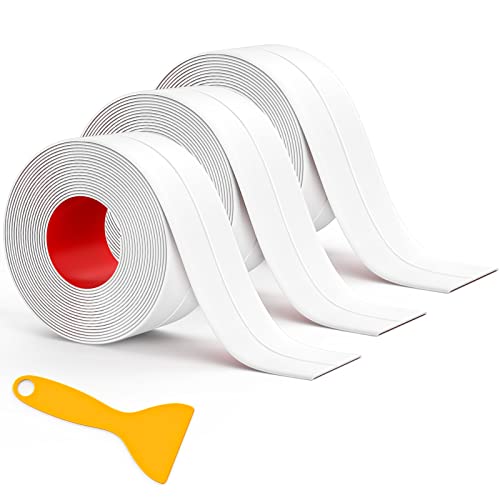
Peel-and-stick caulk strips offer a quick, tool-free fix for small gaps, though they can lift over time in heavy-use tubs. Polyurethane or hybrid polymer sealants bond strongly and some are paintable, but they can be harder to tool. Tub-surround waterproof tape works for narrow, clean gaps. For leaks that keep returning, a plumber should inspect the tub and surround.
Common Mistakes That Shorten Caulk Life
Most failed tub seals trace back to preparation, not the product. Applying new sealant over soap scum, residual oils or old silicone leaves a weak bond, and the bead peels at the edge within months. Caulking with an empty tub is another frequent issue: when the tub fills, it settles slightly and pulls on a rigid bead, which can crack or separate. Filling the tub first, caulking, then letting the sealant cure before draining is a technique widely used by installers, though you should follow the instructions from both the tub maker and the sealant maker.
Using too much sealant is another problem. A bead that is too fat cures slowly on the inside, stays soft and collects dirt. A neat bead about the width of the gap, tooled smooth, sheds water better. Tooling should happen soon after application, before the surface skins over, and masking tape should be pulled while the bead is still wet so the edge stays clean.
Finally, ventilation and cleaning habits matter. Wiping down the joint after showers and running the fan limits the moisture that mildew needs. Harsh bleach-heavy cleaners can discolor some caulks, so follow the label for cleaning guidance. If black spots return under the surface of a bead, the sealant has probably been compromised and removal is the more reliable fix than scrubbing.
Also consider the tub material. Acrylic and fiberglass tubs flex more than cast iron or steel, so a flexible silicone is especially suitable. For tile-to-tile corners in the surround, which move less, some installers prefer a flexible grout or a color-matched silicone; the tile or grout maker usually provides a recommendation.
Frequently Asked Questions
What is the best type of caulk for a bathtub?
Reviewers generally agree that 100 percent silicone is the best choice for the tub joint because it is flexible and water resistant. Gorilla, GE and DAP produce the products that come up most often. Choose a kitchen and bath formula with a mildew-resistant additive.
Can I paint silicone caulk?
Pure silicone is not paintable, according to Bob Vila and typical maker guidance. If you need a paintable joint, siliconized acrylic latex such as DAP Alex Plus is a better fit. Use it where moisture exposure is lower.
How long should I wait before using the tub after caulking?
Follow the label, since water-ready times vary by product and conditions. Some silicones list a short window, while others call for a full day or more. Humid or cold rooms can extend cure times.
Why does bathtub caulk keep getting moldy?
Moisture trapped behind the bead, poor ventilation and old caulk all contribute. Removing the old caulk fully, drying the joint and using a mildew-resistant silicone usually helps. If mold returns quickly, water may be getting behind the seal and a professional should inspect it.
Can I put new caulk over old caulk?
It is better not to, because new sealant bonds poorly to old silicone and can trap moisture. Remove the old bead and clean the surface before reapplying. This step is the most common cause of premature failure.
How often should I replace tub caulk?
There is no fixed schedule, but replace caulk when it cracks, peels, discolors beyond cleaning or no longer seals. Regular inspection once or twice a year is a reasonable habit. A properly applied silicone bead can last for years.