Key takeaways
- Climate: Match the plant to your hardiness zone and winter conditions; warmth-loving vines may need seasonal protection or container growing in cooler regions.
- Structure: Check that the pergola can support the mature vine, its foliage, and any wet-season weight. Add trellis wires or lattice where necessary.
- Growth rate: Fast growers provide quicker coverage but require regular training and pruning to prevent tangled or overloaded branches.
- Light: Most flowering climbers perform best in bright sun, although afternoon shade can benefit plants in especially hot climates.
- Maintenance: Consider watering, pruning, feeding, and cleanup before choosing a permanent vine for a frequently used entertaining area.
What's inside
A pergola can transform an ordinary patio into an outdoor room, but choosing the right climber is less straightforward than it looks. Some vines take years to establish, others need a warm climate or substantial support, and fast-growing varieties can quickly become too vigorous for a lightweight structure.
This guide compares flowering vines and seed-grown options for different garden styles, climates, and maintenance preferences. We focus on growth habit, seasonal interest, support needs, and how each plant could work within a considered modern outdoor setting.
As an Amazon Associate we earn from qualifying purchases.




How to Choose a/an Climbing Plants For A Pergola (2026)
- Climate: Match the plant to your hardiness zone and winter conditions; warmth-loving vines may need seasonal protection or container growing in cooler regions.
- Structure: Check that the pergola can support the mature vine, its foliage, and any wet-season weight. Add trellis wires or lattice where necessary.
- Growth rate: Fast growers provide quicker coverage but require regular training and pruning to prevent tangled or overloaded branches.
- Light: Most flowering climbers perform best in bright sun, although afternoon shade can benefit plants in especially hot climates.
- Maintenance: Consider watering, pruning, feeding, and cleanup before choosing a permanent vine for a frequently used entertaining area.
The Best Climbing Plants For A Pergola (2026)s Reviewed
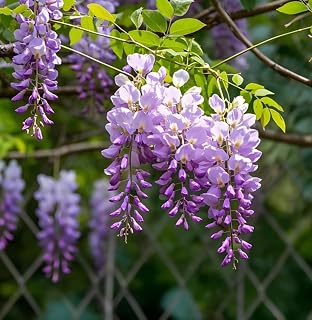
3 Wisteria Live Plants
This three-plant Wisteria floribunda set is a strong choice for gardeners who want a classic, romantic canopy and are prepared to train it carefully. Wisteria can become exceptionally vigorous, so provide a sturdy pergola, generous root space, and a pruning routine from the beginning.
Blue Wisteria Live Plant
The Blue Wisteria in a 2.5-inch pot offers a more compact starting point for a curated landscape or smaller pergola project. Its flowering potential and elegant cascading form are appealing, but buyers should expect patience while a young plant establishes and confirm that their local climate suits wisteria.
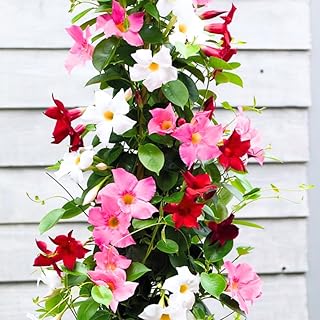
Mixed Mandevilla Live Plants
These three mixed Mandevilla plants are well suited to sunny decks, containers, and warm-climate pergolas where long-lasting seasonal color is the priority. Their lighter, more flexible growth works beautifully with a slim trellis, though the plants are better treated as warm-weather performers than universally hardy permanent vines.
Climbing Jasmine Seeds
A 410-seed jasmine packet is an economical way to create a fragrant green screen, particularly for gardeners who enjoy growing from seed. Germination and maturity require more time and attention than buying rooted plants, and the listing’s climate and species details should be checked carefully before planting outdoors.
2 Wisteria Live Plants
This two-plant Wisteria floribunda option suits a smaller planting scheme or a pergola where you want controlled coverage rather than a dense initial grouping. It delivers the same dramatic long-term direction as other wisteria selections, with the important caveat that a reliable support system and ongoing pruning are essential.
Frequently Asked Questions
Which climbing plant is best for a pergola?
The best choice depends on climate, structure, and the look you want. Wisteria creates a dramatic architectural canopy, while Mandevilla offers colorful seasonal flowers with a lighter, more container-friendly habit.
Can wisteria damage a pergola?
It can if the structure is undersized or the vine is left unmanaged. Wisteria develops heavy woody growth, so use a robust pergola and guide young stems onto independent wires or strong supports rather than relying on fragile decorative elements.
Are jasmine seeds suitable for beginners?
They can be, provided you are comfortable with slower establishment and variable germination. Seed-starting conditions, local temperatures, moisture, and the exact jasmine species all influence results, so rooted plants are usually the simpler route to immediate outdoor planting.
Can Mandevilla grow on a pergola in a cold climate?
Mandevilla is generally best in warm conditions and is often grown as a seasonal plant or overwintered indoors in colder areas. In cool regions, a container makes it easier to move the vine into shelter before frost.
Final Thoughts
For a lasting statement canopy, the three-plant Wisteria set is the most ambitious pick, while the two-plant version offers a more restrained starting arrangement. Choose Blue Wisteria for a compact beginning, or select Mixed Mandevilla when vivid seasonal flowers and flexible container placement matter most.