Key takeaways
- Climate: Check your USDA hardiness zone and winter conditions before ordering live plants or seeds, especially for tropical mandevilla and sky vine.
- Light: Full sun generally supports the strongest flowering, while some vines tolerate partial shade but may grow more slowly or bloom less heavily.
- Growth speed: Fast growers create coverage sooner, but they also require more tying, pruning, and seasonal direction to stay attractive.
- Structure: Confirm that your pergola can support a mature vine, particularly vigorous woody climbers such as wisteria, and use strong trellis points.
- Maintenance: Decide whether you prefer fragrant flowers, evergreen screening, dramatic seasonal color, or a lower-commitment annual display.
What's inside
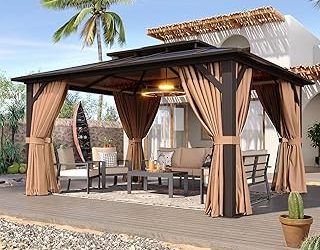
Best Climbing Vine For Pergola (2026) — A pergola can look beautifully architectural on its own, but the right vine turns it into a cooler, more private outdoor room. The challenge is choosing a climber that suits your climate, patience level, sun exposure, and the structure’s load-bearing capacity without creating a maintenance problem later.
This guide compares five appealing options for modern patios, cottage gardens, and relaxed outdoor entertaining spaces. We focus on growth habit, flowering potential, privacy, container suitability, and how each vine may complement a thoughtfully furnished pergola.
As an Amazon Associate we earn from qualifying purchases.




How to Choose a Climbing Vine For Pergola (2026)
- Climate: Check your USDA hardiness zone and winter conditions before ordering live plants or seeds, especially for tropical mandevilla and sky vine.
- Light: Full sun generally supports the strongest flowering, while some vines tolerate partial shade but may grow more slowly or bloom less heavily.
- Growth speed: Fast growers create coverage sooner, but they also require more tying, pruning, and seasonal direction to stay attractive.
- Structure: Confirm that your pergola can support a mature vine, particularly vigorous woody climbers such as wisteria, and use strong trellis points.
- Maintenance: Decide whether you prefer fragrant flowers, evergreen screening, dramatic seasonal color, or a lower-commitment annual display.
The Best Climbing Vine For Pergola (2026)s Reviewed
Boston Ivy Vine Seeds
Boston ivy is a strong choice for homeowners who want leafy coverage and a more architectural, pared-back look than a heavily flowered vine provides. This seed packet offers an economical way to establish coverage over time, but gardeners should be prepared for a slower start and patient training during the early stages.
Thunbergia Grandiflora Blue Trumpet Vine
Also known as sky vine or Bengal clock vine, this pair of plants brings large blue trumpet flowers and an exuberant tropical mood to a pergola. It is especially compelling for warm climates and privacy screens, though its fast growth means regular guidance will help keep the canopy intentional rather than tangled.
Wisteria Floribunda Live Plants
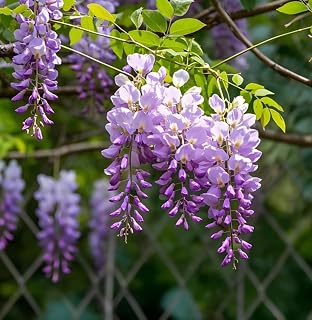
Wisteria delivers some of the most memorable pergola scenery, with hanging flower clusters and a classic garden silhouette. These three young plants offer an appealing starting point for training, but wisteria is a powerful woody climber: install sturdy supports, allow room for expansion, and prune consistently.
Mixed Mandevilla Live Plants
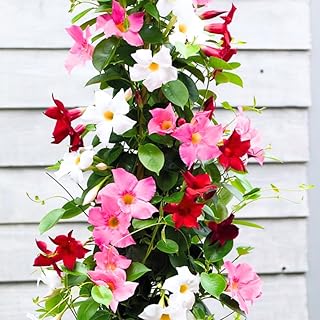
For a furnished deck or compact entertaining area, mixed mandevilla plants offer long-blooming color without committing to a massive permanent vine. Their warm-climate preference makes them well suited to sunny containers, hanging planters, and seasonal pergola styling, especially where red, pink, or white flowers can echo outdoor cushions and ceramics.
American Purple Wisteria
This compact live American purple wisteria is a strong option for a cottage-inspired pergola or a garden that needs a romantic vertical focal point. Its lavender-purple flowers can soften a contemporary structure, although buyers should still plan for substantial support and ongoing pruning as the vine matures.
Frequently Asked Questions
What is the best overall vine for a pergola?
There is no universal winner, but wisteria is a standout for dramatic flowers and long-term structure, while Boston ivy is attractive for leafy coverage and seasonal color. The best match depends on climate, support strength, and how much pruning you are willing to do.
Which pergola vine grows fastest?
Sky vine and wisteria can grow vigorously under suitable conditions, while mandevilla can quickly fill a seasonal container display in warm weather. Fast growth is useful for privacy, but it also calls for frequent tying and trimming.
Can I grow a climbing vine in a pot?
Yes. Mandevilla is particularly well suited to containers, and some younger vines can be grown in large pots with a substantial trellis. Choose a container with drainage, use fresh potting mix, and expect to water more often than you would in the ground.
Will wisteria damage a pergola?
Wisteria can become heavy and woody, so a lightweight decorative pergola may not be appropriate. Use a well-built structure with secure supports, keep the vine directed along designated beams, and prune to manage both weight and spread.
Final Thoughts
For a showstopping garden room, Wisteria Floribunda is the most dramatic pick, while Boston ivy offers a leafy, design-forward screen with a calmer visual character. For sunny patios and flexible seasonal styling, mixed mandevilla is the most approachable choice—particularly when your pergola is paired with containers and outdoor furniture.