Key takeaways
- Kids or pets in the kitchen: induction, because the glass stays far cooler and many units shut off when a pan is removed.
- Wok or high-heat searing: gas, or a dedicated induction wok-style element if the unit offers one.
- Small budget, existing 240-volt wiring: radiant electric.
- No gas line and no spare circuit: have an electrician price the panel work before choosing; it can exceed the cooktop cost.
- Lots of old aluminum or copper pans: radiant electric or gas, since those pans need an induction-compatible disc to work on induction.
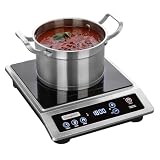
The best cooktop for most kitchens in 2026 is a 30-inch or 36-inch induction model, because it boils fastest, wastes the least heat and keeps the surface cooler than gas or radiant electric. Gas still wins if you cook with a wok or already have a gas line, and a radiant electric smooth-top is the cheapest way to get a flat, easy-to-wipe surface. The right answer depends on your fuel, your electrical panel and your cookware, so start there.
Our top picks


As an Amazon Associate we earn from qualifying purchases at no extra cost to you.
Gas, induction or radiant electric: how they differ
A cooktop is a drop-in unit set into a countertop cutout, unlike a range, which includes the oven. That makes the fuel and the wiring the first decision, not the brand.
| Type | Energy reaching the pan | Power needed | Cookware | Surface after cooking |
|---|---|---|---|---|
| Induction | About 85-90% | Dedicated 240-volt circuit, often 40-50 amps | Magnetic base only (cast iron, most stainless) | Warm from the pan only |
| Radiant electric | About 74-77% | Dedicated 240-volt circuit, often 40-50 amps | Any flat-bottom pan | Stays hot for several minutes |
| Gas | Lower, since much heat escapes around the pan | Gas line plus a standard outlet for ignition | Any pan, including round-bottom woks | Grates stay hot, open flame |
Check the installation sheet for the exact breaker size before you buy. Cutout width and depth also differ between brands even at the same nominal 30 or 36 inches, so measure the existing opening and the cabinet below it, where induction units need clearance for their cooling fans.
Best cooktops by type
Induction: GE Profile PHP9036DTBB (36 inch)
This 36-inch induction model is a frequent value pick among appliance reviewers. It suits cooks who want five elements and a wide surface without paying the premium of European brands. Expect it to need a 240-volt circuit and magnetic cookware.
Induction: KitchenAid KCIT730SBL (30 inch)
A five-zone 30-inch induction cooktop that fits the standard cutout of most older electric cooktops, which makes it a common swap for renters-turned-owners replacing coil or radiant units. Bridge elements let you run a griddle across two zones.
Induction on a budget: Frigidaire Gallery GCCI3667AF (36 inch)
One of the lower-cost 36-inch induction options from a mainstream brand. Entry induction units usually have fewer power levels and simpler controls than premium models, which matters little for everyday boiling and sauteing.
Gas: Thermador SGSX365TS (36 inch)
A premium 36-inch gas cooktop praised for fast boiling, high maximum heat and an open layout that fits large pots side by side. The trade-off, noted by reviewers, is that its star-shaped burner caps take more effort to clean than a flat surface.
Radiant electric: GE JP5036SLSS (36 inch) and JP3036SLSS (30 inch)
Smooth-top electric units with a flat glass-ceramic surface, widely recommended for kitchens that cannot take induction cookware or gas. They heat and cool more slowly than induction, so expect to move pans off the element rather than turn it down quickly.
Entry radiant electric: Frigidaire FFEC3025UB (30 inch)
A lower-cost 30-inch smooth-top that works for rentals and secondary kitchens. It does the basics without the pan-sensing or bridge features of higher tiers.
Which size fits your kitchen
| Width | Typical elements | Best for | Notes |
|---|---|---|---|
| 24 inch | 2-4 | Studios, apartments | Limited room for two large pots |
| 30 inch | 4-5 | Most kitchens, replacing a standard range | Fits the usual 30-inch opening |
| 36 inch | 5-6 | Frequent cooks, big pots, entertaining | Needs a wider cutout and often a bigger hood |
Pair a 36-inch gas cooktop with a range hood at least as wide as the cooktop, and for high-output gas, check the hood’s airflow rating against the total burner output on the spec sheet.
Decision matrix by situation
- Kids or pets in the kitchen: induction, because the glass stays far cooler and many units shut off when a pan is removed.
- Wok or high-heat searing: gas, or a dedicated induction wok-style element if the unit offers one.
- Small budget, existing 240-volt wiring: radiant electric.
- No gas line and no spare circuit: have an electrician price the panel work before choosing; it can exceed the cooktop cost.
- Lots of old aluminum or copper pans: radiant electric or gas, since those pans need an induction-compatible disc to work on induction.
Quick cookware check for induction
Hold a refrigerator magnet to the bottom of a pot. If it clings firmly, the pot works on induction. Cast iron and enameled cast iron work well, and heavy stainless pans labeled induction-ready are the safe choice. Plain aluminum, glass and copper do not respond.
What wears first and what to watch
- Radiant glass shows scratches from dragging cast iron; lift pots instead of sliding them.
- Gas burner caps and igniters collect boil-over; clean them monthly to avoid weak sparking.
- Induction touch controls can lock or beep if wet; wipe the control strip dry.
- Weight matters during install: a 36-inch induction unit is heavy enough that two people should set it in the cutout.
Frequently asked questions
Is induction worth the extra cost over electric?
If you cook daily, usually yes. It heats faster, offers finer low-temperature control and feeds more energy into the pan. If you rarely cook, a radiant model saves money.
Can I replace a gas cooktop with induction?
Yes, but you need a 240-volt circuit run to the cutout and the gas line capped by a licensed professional.
Do I need a new hood?
Not required by the cooktop itself, but a hood matching or exceeding the cooktop width improves capture, especially with gas.
Mistakes that cost money after purchase
- Ordering before checking the cutout: a 30-inch cooktop from one maker can need a cutout a fraction of an inch different from another. Compare the template in the install guide with your countertop before you buy, because widening granite or quartz is expensive and cannot be undone.
- Forgetting the cabinet below: induction and electric units need clearance underneath for wiring and cooling, so a shallow drawer or an in-cabinet oven directly beneath can block installation.
- Ignoring the hood height: most hoods sit 24 to 30 inches above the cooktop surface for electric and induction, and often a few inches higher for high-output gas. Check both numbers against your ceiling.
- Choosing by burner count alone: a six-element cooktop with one tiny element is less useful than five well-sized ones. Look for at least one large 9 to 11 inch zone and one small 5 to 6 inch zone.
- Skipping the breaker check: the amperage on the nameplate must match the circuit and wire gauge, and local code usually requires a licensed electrician for new 240-volt runs.
Cleaning and daily use
Glass-ceramic surfaces on induction and radiant models should be cleaned with a cooktop cleaner and a soft cloth, never steel wool. Wipe sugar spills right away on radiant glass, since hardened sugar can pit the surface when it cools. On gas, remove grates and caps for a soak in warm soapy water, and let everything dry fully before reassembly so the igniter works. Induction pans should have flat bottoms; warped pans buzz and heat unevenly, so retire any pan that rocks on a countertop.
Specifications change between model years, so confirm the cutout size, wiring and warranty on the manufacturer’s current spec sheet before ordering.