Key takeaways
- Runtime versus usable runtime: Headline figures like 70 or 130 minutes are measured on the lowest setting. Assume roughly a third of that on max power, and prioritize dual-battery configurations if you’re covering more than about 1,500 square feet in one pass.
- Suction ratings in context: A 50KPa or 55KPa spec describes sealed pressure, not airflow at the nozzle. Pair a strong number with a wide floor head and a genuinely sealed body, or the pressure never reaches the debris.
- Filtration standard: HEPA-grade media is non-negotiable if anyone in the household has allergies or asthma. Look for multi-stage cyclonic separation ahead of the filter so the media isn’t loading up after two rooms.
- Weight distribution and form factor: Backpack designs shift load to your hips and shoulders, which wins for stairs and long sessions. Stick formats win for quick daily passes and for storage in a hallway closet you don’t want to reorganize.
- Where it lives between uses: Self-standing bases and wall-mount charging docks are the difference between a tool you reach for daily and one that stays in the garage. Dust cup capacity matters too: 1.8L means fewer trips to the bin mid-clean.
What's inside
Commercial-grade cleaning has quietly become a residential problem. Open-plan layouts, mixed flooring runs, boucle upholstery, and pets that shed across all of it mean the average home now generates the kind of debris load that used to belong to a small office suite. The vacuums marketed for that job, meanwhile, split into two frustrating camps: janitorial machines built around a power cord and a 50-foot tether, or consumer stick vacuums that run out of battery halfway through the second floor. Neither serves someone furnishing and maintaining a space they actually care about looking at.
This guide focuses on the middle ground that finally exists in 2026: cordless machines with the suction figures and runtime to handle commercial-adjacent workloads, without the visual and physical clutter of corded equipment. Below you’ll find the units worth considering, followed by the specifications that matter, honest notes on each pick, and answers to the questions that come up once you start comparing sealed filtration against raw airflow claims.
As an Amazon Associate we earn from qualifying purchases.




How to Choose a Cordless Commercial Vacuum (2026)
- Runtime versus usable runtime: Headline figures like 70 or 130 minutes are measured on the lowest setting. Assume roughly a third of that on max power, and prioritize dual-battery configurations if you’re covering more than about 1,500 square feet in one pass.
- Suction ratings in context: A 50KPa or 55KPa spec describes sealed pressure, not airflow at the nozzle. Pair a strong number with a wide floor head and a genuinely sealed body, or the pressure never reaches the debris.
- Filtration standard: HEPA-grade media is non-negotiable if anyone in the household has allergies or asthma. Look for multi-stage cyclonic separation ahead of the filter so the media isn’t loading up after two rooms.
- Weight distribution and form factor: Backpack designs shift load to your hips and shoulders, which wins for stairs and long sessions. Stick formats win for quick daily passes and for storage in a hallway closet you don’t want to reorganize.
- Where it lives between uses: Self-standing bases and wall-mount charging docks are the difference between a tool you reach for daily and one that stays in the garage. Dust cup capacity matters too: 1.8L means fewer trips to the bin mid-clean.
The Best Cordless Commercial Vacuum (2026)s Reviewed
X7A Pro 650W Cordless Stick Vacuum
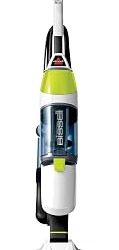
The X7A Pro is the most balanced pick here, pairing 55KPa suction and a 650W motor with an anti-tangle brush that genuinely earns the label on long hair and pet fur. The self-standing design and touch screen readout make it the easiest of these to integrate into a home where equipment doesn’t get to look industrial.
55KPa Stick Vacuum with Hurricane Mode
Essentially the X7A Pro’s more aggressive sibling, this one adds a Hurricane boost mode and a 1.8L dust cup that meaningfully extends how long you can work before emptying. Choose it if your floors are predominantly hard surface with embedded grit, where short bursts of maximum suction do the heavy lifting.
Tomahawk 18V Battery Backpack Vacuum
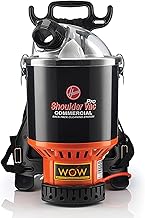
The only true commercial-format machine on this list, the Tomahawk’s 6L capacity and quiet operation make it the right answer for multi-level homes, stairs, and anyone cleaning while others are working or sleeping. Its 18V platform trades peak suction for endurance and comfort, which is the correct tradeoff over a 40-minute session.
Dual-Battery 130-Minute Cordless Vacuum
Two batteries and a claimed 130 minutes make this the endurance choice, and the 3.3-foot hose plus sofa brush cover the upholstery and crevice work that stick vacuums usually punt on. The wall-mount charging dock keeps both batteries topped up without a countertop full of accessories.
650W Cordless Vacuum with 180° Foldable Wand
The folding wand is the standout feature, letting you reach under low-profile sofas, media consoles, and platform beds without kneeling or moving furniture. For homes with a lot of floating and legged furniture, that single hinge solves more problems than another 5KPa of suction would.
Frequently Asked Questions
Can a cordless vacuum really replace commercial equipment?
For most homes and light commercial spaces, yes. Where it still falls short is continuous multi-hour use, which is why corded machines like the Hoover Commercial Shoulder Vac Pro remain the standard for professional crews cleaning all day.
How long do the batteries actually last before replacement?
Expect three to five years of regular use before capacity noticeably drops. Buy into a platform where replacement packs are still sold separately, and avoid leaving batteries on the charger at full charge indefinitely.
Are the scent and fragrance features worth anything?
They’re a pleasant extra, not a filtration substitute. If air quality is your concern, spend your attention on sealed HEPA media instead.
Stick or backpack for a multi-story home?
Backpack, if you clean the whole house in one session. Stick, if you tend to clean one floor at a time and want the machine accessible in a closet on each level.
Final Thoughts
For most readers, the X7A Pro is the right default: strong suction, credible anti-tangle performance, and a self-standing form that doesn’t undermine a considered interior. If your priority is coverage in a single session, the dual-battery 130-minute model is the more practical investment, and anyone cleaning stairs regularly should look hard at the Tomahawk 18V backpack for the comfort it buys over a long session.