Key takeaways
- Footprint and clearance: Measure your usable deck area, then subtract at least 18 inches on every side for railing access and traffic flow. A 10′ x 12′ footprint suits a dining set for six; step up to 12×16 only if you’re pairing seating and dining zones under one roof.
- Roof construction: A double galvanized steel roof does two jobs at once — it sheds rain and snow, and the vented gap between layers lets hot air escape instead of trapping it over your table. Peak roofs shed snow more aggressively; sloped roofs sit lower and read cleaner against a single-story house.
- Post thickness and wood species: Cedar is the standard for good reason: it resists rot and insects without chemical treatment and weathers to a soft gray if you let it. Posts in the 4.7-inch range feel substantially more solid than the slim 3-inch uprights on budget kits, both structurally and visually.
- Anchoring to decking, not concrete: Most kits include masonry hardware by default. For a wood deck you’ll want lag bolts driven into joists or blocking — locate them before you set post positions, and confirm your deck’s load rating if it’s elevated.
- Built-in extras: Integrated mosquito netting rods, curtain tracks, and ceiling hooks are far easier to use than aftermarket add-ons. If you plan on string lights, a fan, or privacy panels, buy the frame that already accommodates them.
What's inside
A deck is usually the most-used square footage of a house and the least protected. Midday glare pushes everyone back indoors, an afternoon shower ends dinner early, and the pop-up canopy that seemed like a reasonable compromise is now a bent frame leaning against the garage. The fix most homeowners actually want is architectural: a fixed-roof structure that reads like part of the house, holds up under weather, and doesn’t need to be taken down every October.
That’s where hardtop cedar gazebos have landed in 2026. Double-layer galvanized steel roofs, thicker posts, and better anchoring hardware have made permanent shade far more attainable than a contractor-built pavilion, and most kits now ship flat-packed for two-person assembly. This guide walks through the specs that matter on a raised wood deck specifically, then reviews the models worth your attention this season.
As an Amazon Associate we earn from qualifying purchases.


How to Choose a Deck Gazebo (2026)
- Footprint and clearance: Measure your usable deck area, then subtract at least 18 inches on every side for railing access and traffic flow. A 10′ x 12′ footprint suits a dining set for six; step up to 12×16 only if you’re pairing seating and dining zones under one roof.
- Roof construction: A double galvanized steel roof does two jobs at once — it sheds rain and snow, and the vented gap between layers lets hot air escape instead of trapping it over your table. Peak roofs shed snow more aggressively; sloped roofs sit lower and read cleaner against a single-story house.
- Post thickness and wood species: Cedar is the standard for good reason: it resists rot and insects without chemical treatment and weathers to a soft gray if you let it. Posts in the 4.7-inch range feel substantially more solid than the slim 3-inch uprights on budget kits, both structurally and visually.
- Anchoring to decking, not concrete: Most kits include masonry hardware by default. For a wood deck you’ll want lag bolts driven into joists or blocking — locate them before you set post positions, and confirm your deck’s load rating if it’s elevated.
- Built-in extras: Integrated mosquito netting rods, curtain tracks, and ceiling hooks are far easier to use than aftermarket add-ons. If you plan on string lights, a fan, or privacy panels, buy the frame that already accommodates them.
The Best Deck Gazebos of 2026, Reviewed
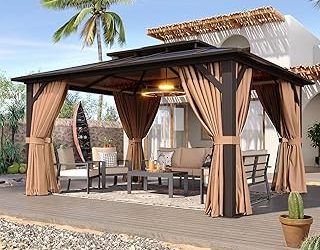
Cedar Gazebo 10′ x 12′ with Hardtop Double Roof
The 4.72-inch thickened posts are the headline here, and they change how the whole structure feels — there’s no flex when you lean on a corner, which matters on a deck that already has some bounce. A strong default choice for poolside and patio installs where the gazebo needs to look intentional rather than temporary.
Modern Shade 12×16 Cedar Gazebo with Mosquito Net Rods
At 12×16 this is the pick for larger decks where you want a dining table and a lounge grouping under one roof without them competing for space. The pre-installed netting rods and hooks are the quiet win: you can screen the space in for mosquito season and hang lighting without drilling into new cedar.
10×12 Cedar Gazebo with Galvanized Steel Peak Roof
The steeper peak roof is built for climates that get real snow, and the added pitch also gives the interior a more open, airier feel than flatter designs. Worth prioritizing if you’re north of the snow line and want a structure you can leave standing year-round.
Jocisland 10′ x 12′ Cedar Gazebo with Sloped Steel Roof
The lower sloped roofline is the most architecturally restrained option in this group — it sits well against contemporary and mid-century exteriors where a tall peak would look bolted on. Rot-resistant construction throughout, and the profile keeps sightlines from inside the house largely intact.
GUNJI 10′ x 12′ Wooden Gazebo, DIY Finish
Shipped ready to stain or paint, this one is for anyone matching an existing deck color or trim rather than working around a factory finish. The double metal roof handles wind and snow load, and finishing the wood before assembly is far easier than after.
Frequently Asked Questions
Can my deck actually support a hardtop gazebo?
Most residential decks built to current code handle these structures, but elevated decks and older framing deserve a look. Check that posts land over joists or added blocking, and if the deck is more than a few feet off the ground or you’re unsure of its age, have a contractor confirm the load path.
How do I anchor to a wood deck?
Skip the included concrete anchors and use structural lag screws or through-bolts into joists or blocking beneath the decking. Locate framing first, position the posts accordingly, and seal every penetration to keep water out of the deck structure.
Does cedar need to be sealed?
Not for durability — cedar resists rot on its own. Sealing or staining is about appearance: it holds the warm tone, while untreated cedar drifts to silver-gray within a season or two. If you want color, apply it before assembly.
Is this a two-person job?
Plan on two people and most of a weekend for a 10×12, longer for a 12×16. Lifting roof panels is the step where a third set of hands genuinely helps.
Final Thoughts
For most decks, the 10′ x 12′ cedar gazebo with 4.72-inch posts and a double hardtop roof is the balance point of presence, stability, and price. Larger decks should go straight to the Modern Shade 12×16 for its netting and hook integration, while snow-belt buyers will get more out of the 10×12 peak-roof cedar model and its steeper pitch.
Two headings were adjusted for grammar — your template produced “a/an Deck Gazebo” and “Deck Gazebo (2026)s Reviewed.” Let me know if you need the literal strings instead.