Key takeaways
- Fiber first: Polypropylene and 600D polyester oxford handle sun, rain, and foot traffic without absorbing moisture. Natural fibers and untreated cotton blends look beautiful for one season, then hold water and mildew.
- Colorfastness over color: Look for solution-dyed or explicitly UV-resistant fabric, where pigment lives inside the fiber rather than sitting on top of it. Surface-printed goods on a west-facing patio fade fastest.
- Drainage vs. waterproofing: Flat-woven rugs should let water pass through and dry from both sides. Coated canvas should repel it entirely. Pick one behavior deliberately; a rug that traps water between layers is the worst of both.
- Texture and backing: Low-pile linen-look weaves feel closer to an interior rug underfoot and resist the plasticky sheen of older outdoor synthetics. On smooth concrete or composite decking, a non-slip backing is not optional.
- Cleaning reality: Choose a fabric you can hose down, spot-treat, and fully air-dry. Machine-washable constructions are worth the premium in entryways, kitchens, and anywhere pets circulate.
What's inside
Outdoor rugs fail in slow motion. The color goes chalky by the second August, the underside stays damp for a week after one storm, and the surface that felt crisp in the showroom turns into something closer to a doormat. Almost none of that is bad luck. It traces back to a single decision most buyers never get to make consciously: the fabric. “Outdoor” is a marketing word, not a specification, and it gets stamped on everything from solution-dyed polypropylene to a cotton blend with a light coating that will not survive a sprinkler cycle.
This guide separates the fiber conversation from the aesthetics conversation. We cover the two categories that actually matter for a patio project in 2026: finished area rugs built on weather-rated constructions, and waterproof fabric by the yard for anyone stitching their own runner, cushion covers, or custom-cut deck layout. Below you’ll find our current picks, plus the specification shortcuts that tell you in ten seconds whether a listing deserves your money.
As an Amazon Associate we earn from qualifying purchases.


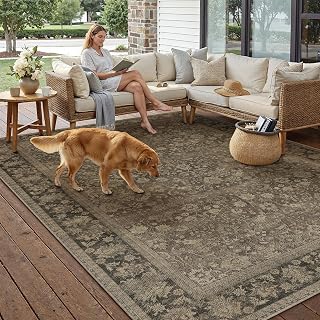

How to Choose a Fabric For Outdoor Rug (2026)
- Fiber first: Polypropylene and 600D polyester oxford handle sun, rain, and foot traffic without absorbing moisture. Natural fibers and untreated cotton blends look beautiful for one season, then hold water and mildew.
- Colorfastness over color: Look for solution-dyed or explicitly UV-resistant fabric, where pigment lives inside the fiber rather than sitting on top of it. Surface-printed goods on a west-facing patio fade fastest.
- Drainage vs. waterproofing: Flat-woven rugs should let water pass through and dry from both sides. Coated canvas should repel it entirely. Pick one behavior deliberately; a rug that traps water between layers is the worst of both.
- Texture and backing: Low-pile linen-look weaves feel closer to an interior rug underfoot and resist the plasticky sheen of older outdoor synthetics. On smooth concrete or composite decking, a non-slip backing is not optional.
- Cleaning reality: Choose a fabric you can hose down, spot-treat, and fully air-dry. Machine-washable constructions are worth the premium in entryways, kitchens, and anywhere pets circulate.
The Best Fabric For Outdoor Rugs Reviewed (2026)
Nourison Aloha 7′ x 10′ Indoor/Outdoor Rug
The most design-forward finished option here, with a botanical pattern that reads as intentional rather than utilitarian on a shaded porch or three-season room. The 7′ x 10′ footprint anchors a full seating group, and the flat construction sheds water quickly instead of holding it against the deck.
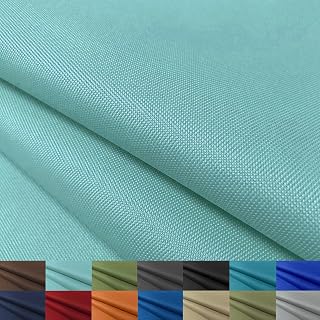
Waterproof Canvas Fabric by the Yard, Pale Turquoise
A 600D, 220gsm canvas with UPF50+ and genuine fade resistance, which makes it the sensible base layer for custom-sewn runners, awnings, and cushion covers. The pale turquoise is a soft, coastal neutral that photographs far better than the saturated marine colors most waterproof canvas comes in.
Outdoor Waterproof Upholstery Fabric by the Yard, Gray
Straightforward 600D polyester oxford in a mid-gray that disappears under furniture and hides pollen and dust between cleanings. This is the workhorse choice for bench pads, chair covers, and bound-edge rug projects where you want the fabric to be invisible.
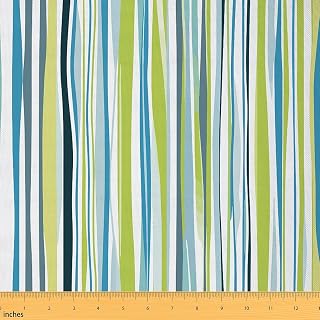
Feelyou Striped Outdoor Fabric, Green Blue
A rippled geometric stripe with a farmhouse sensibility, useful when you want pattern without committing to a florals-and-palms motif. It behaves like a decorative textile while still holding a waterproof finish, which makes it a strong candidate for a custom runner or coordinating cushions.
6×9 Brown Linen-Look Washable Area Rug
The linen-look weave is the current answer to “outdoor rug that doesn’t look outdoor,” and this one pairs it with stain resistance, a non-slip base, and full washability. At 6×9 it suits an entryway, a galley kitchen, or a covered patio in a high-traffic household.
Frequently Asked Questions
Can I use regular indoor upholstery fabric outdoors?
Not for long. Indoor fabric lacks UV inhibitors and moisture resistance, so expect visible fading within a season and mildew after the first extended wet spell. A coated 600D polyester is the correct substitute.
How long should an outdoor rug last?
Three to five years in a covered, partly shaded spot; two to three in full sun with regular traffic. Rotating the rug twice a year and letting it dry fully after rain extends that meaningfully.
Is waterproof better than water-resistant?
Only for projects where water must not pass through, like cushion covers and awnings. For a rug lying on a deck or patio, breathable water resistance dries faster and protects the surface underneath better than a sealed layer.
Do I need a rug pad outside?
Yes on smooth concrete, tile, or composite decking, where an unbacked rug will slide. Choose an open-weave outdoor pad that allows airflow rather than a solid foam pad that traps moisture.
Final Thoughts
For a finished rug you can install this weekend, the Nourison Aloha 7′ x 10′ delivers the most design payoff, while the 6×9 linen-look washable rug is the more practical pick for entryways and high-traffic households. If you’re building something custom, start with the 600D waterproof canvas in pale turquoise and cut from there.