Key takeaways
- Acrylic with a reinforced backing: the most common premium and mid-range shell. It offers smooth seats, many shapes and strong cosmetic finish.
- Rotomolded polyethylene: a single molded piece without the seams of a laminated shell. Makers promote it for durability and cold-weather resilience; the surface is usually less glossy.
- Inflatable PVC or laminated vinyl: low cost and portable, but the walls are thin compared with insulated cabinets.
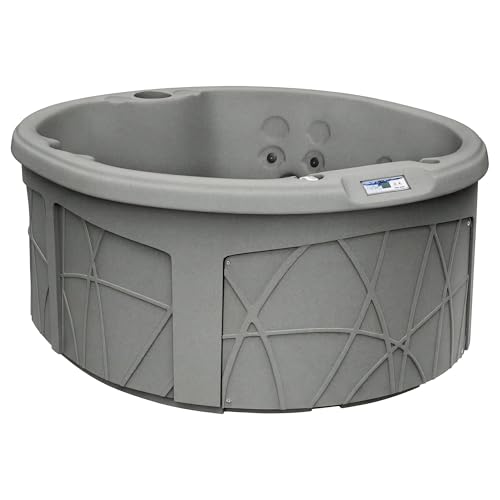
For freezing winters, a hot tub with full-foam or multi-layer insulation, a well-fitted insulated cover and an efficient pump setup suits most buyers, while a budget inflatable suits only occasional, milder-weather use. The brands most often discussed for cold regions are Arctic Spas, Bullfrog Spas, Hot Spring Spas (Watkins), Cal Spas and Jacuzzi, with rotomolded and standard acrylic options at different tiers. Specifications below are as the makers generally describe them; confirm exact numbers on the manufacturer page for the model you choose.
Our top picks



As an Amazon Associate we earn from qualifying purchases at no extra cost to you.
At a Glance
| Option | Best for | Insulation approach (as makers describe) | Limits |
|---|---|---|---|
| Arctic Spas (rotomolded line) | Harsh, long winters | Rotomolded shell with foam insulation, marketed for sub-freezing use | Premium tier; fewer seating layouts |
| Bullfrog Spas | Families wanting modular seating | Insulated cabinet and cover; multi-pump jet configurations | Mid to premium tier; dealer network only |
| Hot Spring Spas (Watkins) | Long-term owners who want service access | Insulated cabinet; energy-saving options on selected models | Dealer purchase; price tiers vary widely |
| Cal Spas | Mid-range buyers wanting many size options | Foam and cabinet insulation vary by series | Insulation level differs by line |
| Jacuzzi hot tubs | Brand-focused buyers wanting jet variety | Insulation varies by collection | Check which collection is rated for cold use |
| Budget inflatable (Lay-Z-Spa, Intex PureSpa class) | Occasional use, small budgets | Air-filled walls and a basic cover | Slow reheating in deep cold; not designed for sustained freezing winters in most cases |
What Makes a Tub Work in Cold Weather
Heat loss is the central problem. Water is held at a set temperature, and every cold day pulls warmth through the shell, the cabinet walls, the plumbing and the cover. Three design choices matter most.
Insulation type
Full-foam insulation fills the cavity between shell and cabinet, trapping heat and also dampening plumbing noise. Perimeter or partial insulation uses reflective barriers and air gaps, which can work in moderate climates but typically loses more heat when temperatures fall far below freezing. Rotomolded tubs, such as those Arctic Spas builds, combine a thick one-piece shell with foam insulation, and the maker positions them specifically for cold regions. Reviewers who cover the category generally treat full-foam as the safer choice where winters are long.
The cover
The cover is the largest single heat barrier. Look for a tapered, high-density foam core with a vapor seal and a snug skirt. A cover that has absorbed water loses insulating power, so replacing a waterlogged one is a routine maintenance item. A locking, child-resistant cover also matters for safety, and a cover lifter helps in snowy weather because wet snow makes lids heavy.
Pumps and heat recovery
Some makers route waste heat from the circulation pump back into the water, which lowers running costs. Many modern designs use variable-speed circulation pumps for the same reason. Ask the dealer how the model circulates water in freeze conditions, because freeze protection modes that run the pump automatically are a standard feature and should be understood before the first winter.
Shell Materials
- Acrylic with a reinforced backing: the most common premium and mid-range shell. It offers smooth seats, many shapes and strong cosmetic finish.
- Rotomolded polyethylene: a single molded piece without the seams of a laminated shell. Makers promote it for durability and cold-weather resilience; the surface is usually less glossy.
- Inflatable PVC or laminated vinyl: low cost and portable, but the walls are thin compared with insulated cabinets.
Size and Seating
Two to three person tubs heat fastest and use the least energy, which matters where the heater is working hard. Five to seven person tubs hold more water and cost more to keep warm, though a good cover narrows the gap. Match the tub to your normal group size rather than your occasional guest count. Tubs with a lounger seat suit solo soaking; tubs with open bench seating suit social use.
Placement, Power and Safety
- Base: most makers call for a level, reinforced slab or purpose-built pad. A filled tub is heavy, so check the maker’s weight and base requirements before installation.
- Wind and snow: a location sheltered from wind loses less heat. Keep a clear, non-slip path to the tub in icy weather.
- Electrical: hardwired 240 V models need a dedicated circuit with a GFCI, installed by a licensed electrician to local code. Plug-in 120 V models exist but heat more slowly and may limit jets while heating. Do not use extension cords unless the manual explicitly allows it.
- Water temperature: manufacturers typically cap the setpoint at 104 degrees Fahrenheit. Anyone who is pregnant, has a heart condition, or takes medication that affects heat tolerance should talk to a doctor before soaking, and children should be supervised and may need shorter, cooler sessions.
- Freezing: never leave the tub unpowered with water inside in deep cold. If power fails, follow the manual on draining and winterizing.
Budget Tiers
Budget
Inflatable tubs fit this tier. They are useful for trying the habit, for renters, or for mild winters. Expect longer heating times and consider using them mainly in spring through autumn, or accept higher energy use if you run them in cold weather. Always read the maker’s stated operating temperature range.
Mid-range
Cal Spas and Jacuzzi acrylic models and the lower Hot Spring lines sit here. Insulation levels differ between series, so ask for the specific insulation description in writing and compare cover thickness.
Premium
Arctic Spas rotomolded models, Bullfrog’s higher series and Hot Spring’s upper lines fall into this tier. These are the tubs makers pitch for year-round use in cold areas, with fuller insulation, better covers and more efficient circulation.
Pick X If…
| Pick | If you… |
|---|---|
| Arctic Spas rotomolded | live where winter stays well below freezing for months and want year-round use |
| Bullfrog Spas | want modular seating with different seat shapes per person |
| Hot Spring Spas | value a long dealer service network and energy-efficiency features |
| Cal Spas | want broad size choice in the mid-range |
| Jacuzzi | want a familiar name and strong jet variety |
| Inflatable | want occasional use and minimal commitment |
Running Cost Habits
Whatever the model, a few habits lower winter energy use. Keep the cover on whenever the tub is idle, and avoid lifting it fully off for long stretches in cold wind. Keep the setpoint steady rather than turning it up and down, since reheating from cold is energy-intensive. Clean filters on schedule so the pump works easily, and ask whether the model has an economy or standby mode. A thermal blanket under the cover and a windbreak panel can reduce losses further, according to common maker and installer guidance.
Alternatives
- Swim spa: larger and more expensive, useful if you want exercise as well as soaking.
- Wood-fired hot tub: no electrical heater for the water, but requires fire safety planning and a longer warm-up.
- Indoor or covered-porch installation: sheltering the tub from wind and snow can reduce winter energy use, but only with proper ventilation, flooring and structural support.
Buying Process and Dealer Questions
Hot tubs are usually sold through dealers, so the buying process is part of the decision. Visit a showroom if you can and sit in the seats, because seat depth and jet placement feel different from what a spec sheet suggests. Ask the dealer for the written warranty, and compare what it covers on the shell, surface, plumbing, heater and pumps, along with the length of each term. Ask who services the tub locally, how long repairs usually take in winter, and whether delivery includes setting up and a first fill.
Questions worth asking
- What insulation type does this exact model use, and where is it placed?
- How thick is the cover core, and what is the stated density?
- What is the heater size, and what voltage and breaker rating does the manual require?
- Does the model have a freeze protection mode, and what happens during a power outage?
- What are the maker’s energy estimates, and under what test conditions?
- Which parts are user-serviceable, and which require a technician?
Water Care in Cold Weather
Water chemistry still matters in winter. Cold air does not stop bacterial growth in warm water, so sanitizer levels and pH should be checked on the schedule in the manual. Filters need regular rinsing and periodic replacement. Many owners drain and refill every few months, but the right interval depends on use and the water source. Follow the sanitizer maker’s directions and store chemicals away from heat and children. If you are unsure about water balance, local pool and spa shops can test samples.
Winter Routine
A few habits make cold-weather ownership easier. Keep a broom or soft brush near the tub for snow on the cover. Lift the cover from the side and fold it carefully rather than dragging it across rough ground. Check that the cabinet panels are in place, since gaps let cold air reach the equipment. Look at the tub’s display or app for fault codes after storms. Keep the steps and surrounding area clear and treat ice with a product that the surface maker allows.
Long-Term Considerations
Think about the tub over ten years rather than the first winter. Covers typically need replacing every few years, filters are consumables, and pumps and heaters can fail. Choose a brand with parts availability in your area. Resale and relocation are also factors: a tub that is hard-wired and set on a slab is a permanent change to the property, so look into homeowner association rules, local permit requirements, fencing or barrier requirements for spas, and insurance conditions before purchase.
Frequently Asked Questions
Can a hot tub be used outdoors all winter?
Yes, models designed with full insulation and a strong cover are used year-round in cold regions, and some makers specifically market for it. Keep power on, the cover secured and water circulating. Clear snow from the cover and the path before use.
Is full-foam insulation worth it?
Reviewers and dealers commonly say it reduces heat loss in cold climates and can lower running costs, though it makes some repairs harder because plumbing is encased. In mild areas, partial insulation can be enough.
How much does a hot tub cost to run in winter?
It depends on tub size, insulation, cover condition, local electricity rates and temperature. Ask the dealer for the maker’s estimated energy figures and compare them across models rather than relying on one headline number.
Do inflatable hot tubs work in freezing weather?
Many makers state a minimum ambient temperature in their manual, and heating slows sharply in the cold. If you plan to use one in winter, follow the stated limits and expect higher energy use.
What happens if the power goes out?
Water can begin to cool and, in deep freezing, pipes and equipment may be at risk. Follow the manual for draining and winterizing if an outage will be long, and do not run heaters from unapproved sources.
Is it safe to soak in very cold air?
Many people enjoy it, but sudden temperature changes on entering and leaving the water can be hard on some people. Keep sessions moderate, use non-slip footwear, and speak with a doctor if you have heart, blood pressure or circulation concerns.
More from Amazon
Programs that pair well with the guide above. Offers and eligibility are set by Amazon and may change.
Collect the home and kitchen items you want in one registry that guests can shop from.
Create a wedding registrySet up recurring deliveries of everyday items on eligible products. Terms and savings are set by Amazon.
Explore Subscribe & SaveFree shipping on eligible items, Prime Video and more. Eligible new members can start with a free trial.
Start a Prime free trialAudiobooks and podcasts to listen to on the go. Eligible new members can start with a free trial.
Try Audible freeAs an Amazon Associate we earn from qualifying purchases.