Key takeaways
- Temperature range and precision: Insulin must stay between 36°F and 46°F (2°C–8°C) to remain effective. Look for units with digital displays that let you set and monitor exact temperatures rather than relying on vague “cool” settings.
- Power reliability: A dual-power setup — mains plug plus rechargeable batteries — gives you the most flexibility. Check how long the batteries actually last under real conditions, not just on the spec sheet.
- Portability and build: Weight, handle design, and case rigidity all matter when you’re carrying medication through an airport or tossing it in a day bag. Hard-shell exteriors protect vials far better than soft pouches.
- TSA compliance: If you travel frequently, confirm the unit is explicitly TSA-approved or at least designed with carry-on medical storage in mind. This saves headaches at security checkpoints.
- Certifications and alarms: Temperature alarms that alert you if the range drifts are worth their weight in peace of mind. Medical-grade certifications add another layer of trustworthiness.
What's inside
Finding the right mini fridge for insulin storage is one of those problems that seems straightforward until you’re actually staring at two dozen listings that all blur together. Temperature precision, battery life, portability — the variables stack up fast, and the stakes are genuinely high. Insulin that drifts outside its safe range is insulin you can’t use, whether you’re navigating a cross-country flight or simply managing daily life at home.
This guide cuts through the noise. We evaluated the most talked-about portable insulin fridges and mini coolers available in 2026, weighing temperature accuracy, build quality, power options, and real-world usability. Below you’ll find our curated shortlist and a straightforward framework for deciding which model fits your routine.
As an Amazon Associate we earn from qualifying purchases.


How to Choose a Mini Fridge For Insulin (2026)
- Temperature range and precision: Insulin must stay between 36°F and 46°F (2°C–8°C) to remain effective. Look for units with digital displays that let you set and monitor exact temperatures rather than relying on vague “cool” settings.
- Power reliability: A dual-power setup — mains plug plus rechargeable batteries — gives you the most flexibility. Check how long the batteries actually last under real conditions, not just on the spec sheet.
- Portability and build: Weight, handle design, and case rigidity all matter when you’re carrying medication through an airport or tossing it in a day bag. Hard-shell exteriors protect vials far better than soft pouches.
- TSA compliance: If you travel frequently, confirm the unit is explicitly TSA-approved or at least designed with carry-on medical storage in mind. This saves headaches at security checkpoints.
- Certifications and alarms: Temperature alarms that alert you if the range drifts are worth their weight in peace of mind. Medical-grade certifications add another layer of trustworthiness.
The Best Mini Fridge For Insulin (2026) Reviewed
ZSWCBRT Mini Medical Fridge
A compact travel-focused unit that keeps contents between 32°F and 47°F with a clear Fahrenheit readout. It’s no-frills in the best sense — light, straightforward, and reliable enough for weekend trips where you need consistent cooling without bulk. The display is easy to read at a glance, which matters when you’re juggling a carry-on and a boarding pass.
Electric Insulin Cooler Travel Case (32°F–64°F)
This rechargeable mini fridge stands out for its dual-battery system, giving you solid runtime away from any outlet. The LCD temperature display covers a Fahrenheit-friendly range, and the interior fits standard insulin pens and vials without awkward rearranging. For daily commuters or anyone who wants a dependable go-bag insulin solution, it strikes a strong balance between price and performance.
Upgraded Insulin Cooler Case
The addition of an audible alarm and USB charging puts this model a step ahead for users who prioritize safety nets. Cooling holds steady in the 2–8°C range, and the single-layer Celsius display is clean and uncluttered. The built-in handle feels sturdy rather than tacked on, and the overall footprint stays small enough for a briefcase or purse.
Cooluli 4L Mini Fridge
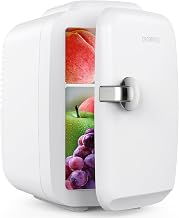
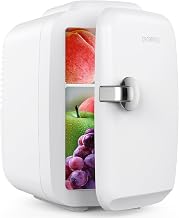
Unlike the others on this list, the Cooluli is a general-purpose mini fridge — not purpose-built for medication — but its plug-in versatility and compact 4L capacity make it a viable home or dorm option for insulin storage. It runs on AC, DC, or USB, which is genuinely unusual at this price point. Just note that it lacks medical-grade temperature controls, so it works best as a stationary backup rather than a travel primary.
PeptiCool Peptide Cooler
The premium pick. PeptiCool’s touch-screen interface, rechargeable power system, and explicit TSA approval make it the most polished option here. Designed for peptides and insulin alike, it handles pens and vials with a secure interior layout. The build quality feels like something you’d keep for years rather than replace each travel season — and at this tier, that kind of longevity matters.
Frequently Asked Questions
Can I store insulin in a regular mini fridge?
You can, but standard beverage mini fridges often lack precise temperature control and can develop cold spots that dip below freezing. Dedicated insulin coolers maintain a narrower, more consistent range specifically calibrated for medication safety.
How long do battery-powered insulin fridges last?
Most quality units with dual rechargeable batteries run between 8 and 12 hours on a full charge, though this varies with ambient temperature and how often the lid is opened. Always fully charge before travel and carry a backup power source when possible.
Are these insulin fridges TSA-approved?
Models like the PeptiCool are explicitly TSA-approved. Others may pass through security without issue since they’re small, battery-operated medical devices, but it’s wise to carry a doctor’s note or prescription documentation to avoid delays.
What’s the ideal temperature for storing insulin?
Pharmaceutical guidelines recommend between 36°F and 46°F (2°C–8°C). Temperatures below freezing can render insulin ineffective, while excessive heat accelerates degradation. A fridge with a digital display lets you monitor this range precisely.
Final Thoughts
For most people who travel regularly with insulin, the Electric Insulin Cooler Travel Case offers the best combination of reliability, battery life, and value. If budget allows and you want the most refined experience, the PeptiCool is the clear premium choice. And for a solid home-station option that doubles as a general-purpose cooler, the Upgraded Insulin Cooler Case with its alarm feature is hard to beat. Whatever you choose, prioritize temperature precision — it’s the one variable you truly can’t afford to get wrong.