Key takeaways
- Budget: Polyester blackout curtains with a thin or single-layer back. Useful for light control, with a slight noise benefit.
- Mid-range: Triple-weave, thermal and velvet curtains with thicker construction and better stitching.
- Premium: Acoustic or custom-made multi-layer curtains designed for sound control, with published ratings.
Heavy, tightly woven triple-weave or lined curtains with a thick backing suit most renters who want a modest drop in street noise and light; dedicated acoustic or mass-loaded curtains suit buyers who need a stronger effect, and for real soundproofing, curtains alone are rarely enough. Be realistic: curtains soften echo and take the edge off outside sound, but they do not make a room silent.
Our top picks

As an Amazon Associate we earn from qualifying purchases at no extra cost to you.
At a Glance: Curtain Types
| Type | Best for | Key traits | Limits |
|---|---|---|---|
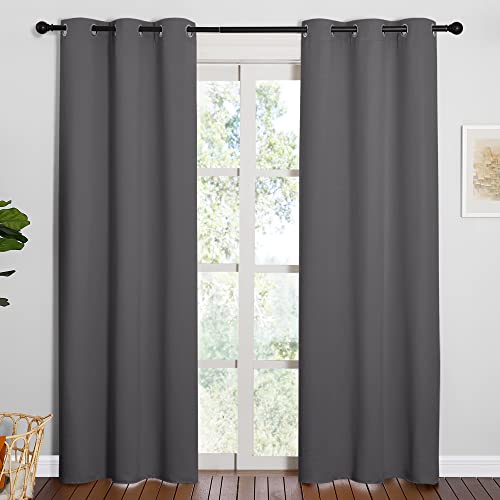
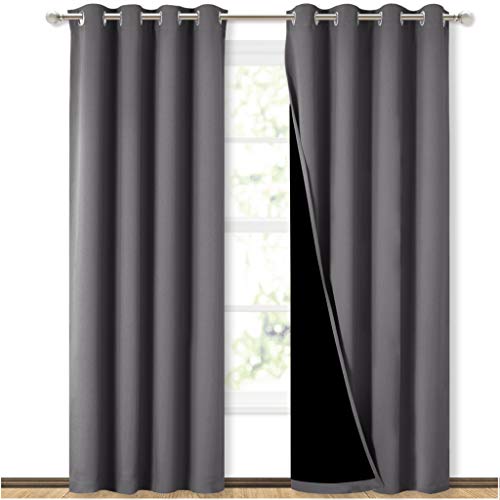
| Triple-weave blackout curtains (NICETOWN, Deconovo, H.VERSAILTEX style) | Bedrooms and living rooms needing light and mild noise reduction | Makers list thick three-layer fabric, grommet or rod pocket headers, many sizes | Noise reduction is modest; makers rarely publish decibel figures |
| Thermal-lined heavy curtains | Drafty windows, cold rooms | Foam or thick lining; makers market them for insulation and light blocking | Weight needs a strong rod and good mounting |
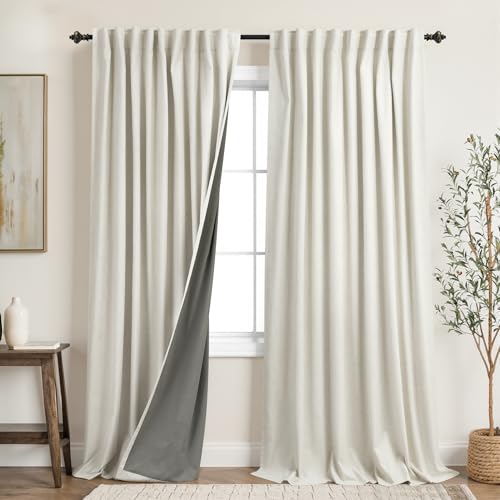
| Velvet curtains | Living rooms, home theaters, echo reduction | Dense pile and weight absorb sound and block light | Show dust and lint; often dry-clean only |
| Acoustic or mass-loaded curtains | Home studios, noisy streets | Makers list multi-layer constructions and specific sound ratings | Heavy, bulky and usually in a higher price tier |
| Curtains plus a window insert or seals | Serious noise problems | Combines mass with an air-tight seal | More cost and effort; may need landlord approval |
How Curtains Affect Noise
Sound travels through air gaps, glass and walls. A curtain adds mass and soft surface to the window area, which can reduce echo inside the room and dampen some higher-pitched outside noise. Low-frequency noise such as traffic rumble and bass is harder to stop, and gaps around the curtain let sound pass. That is why seal and coverage matter as much as fabric weight.
What to Look For
Weight and density
Heavier curtains with a dense weave generally do more than thin ones. Makers of triple-weave and velvet curtains describe them as thick and heavy, and reviewers report a noticeable drop in outside hiss and echo. Weight is stated per panel by some makers in grams per square meter; compare these figures when they are given.
Lining layers
Curtains with a foam or thick fabric lining add insulation and mass. Multiple layers are better than single sheets. Acoustic curtains aimed at studios often list several layers and a rating such as NRC; if a maker publishes such a number, find out how and by whom it was measured.
Width and fullness
A curtain stretched flat does less than one with folds. Aim for fabric width of about two times the window width, which is a common styling rule. Extra width also helps cover the edges where sound leaks.
Length and coverage
For noise and light, extend the rod beyond the window frame on each side and let the curtains reach the floor or just above it. Short curtains that stop at the sill leave large gaps. Wall-to-wall coverage on a rod mounted high above the window gives the best result.
Rod strength and mounting
Thick curtains are heavy. A flimsy rod or weak wall anchors can sag or pull out. Use a sturdy rod with center support for wide windows, and follow the maker’s guidance on maximum load.
Header style
Grommet tops are easy to hang and slide, while rod pocket and back-tab styles give a tailored look. Pinch pleats give more fullness. Choose based on how often you will open the curtains.
Option Notes
NICETOWN and Deconovo
These brands sell widely available thick blackout panels with triple-weave or thermal lining in many colors and sizes. Reviewers commonly say they cut light very well and soften sound, with the caveat that effect on noise is moderate rather than dramatic. They fit the budget to mid-range tier.
H.VERSAILTEX and Rose Home Fashion
These makers offer heavy blackout and velvet styles in standard sizes. Reviewers mention good drape and opacity, and note that velvet sheds fibers and shows lint more than polyester weaves.
Acoustic curtains
Studio and recording suppliers sell heavier acoustic curtains with published sound ratings. These are suited to small studios or noisy rooms. Because they are heavy, buyers should plan strong hardware and expect a utilitarian look.
Budget Tiers and Trade-Offs
- Budget: Polyester blackout curtains with a thin or single-layer back. Useful for light control, with a slight noise benefit.
- Mid-range: Triple-weave, thermal and velvet curtains with thicker construction and better stitching.
- Premium: Acoustic or custom-made multi-layer curtains designed for sound control, with published ratings.
Pick X If…
| Pick this | If you… |
|---|---|
| Triple-weave blackout | want better sleep conditions with light blocking and some noise softening |
| Thermal-lined curtains | also have a drafty window |
| Velvet | want a heavy, upscale look and reduced echo in a living room or theater |
| Acoustic curtains | need stronger sound control for a studio or noisy street |
| Curtains plus window sealing | have a persistent noise problem and want the best effect |
Care and Safety Notes
- Follow the care label. Many polyester blackout curtains are machine washable on a gentle cycle, while velvet and foam-backed styles may need dry cleaning.
- Keep curtains clear of heaters, fireplaces and candles. Ask the maker whether the fabric is flame retardant, and do not assume it is.
- Cord-free or short cord designs are safer in homes with young children and pets.
- Heavy curtains need secure rod brackets anchored into studs or suitable anchors.
- If you live near a busy road and noise affects sleep or health, consider professional advice about glazing upgrades.
Alternatives to Consider
- Window inserts or secondary glazing: add an air gap and mass, and often reduce noise more than curtains.
- Weatherstripping and door sweeps: cheap ways to close sound gaps.
- Cellular shades or heavy roller blinds: useful behind curtains for layered control.
- Rugs, wall hangings and bookcases: reduce echo and add absorption inside the room.
Installation Tips That Improve Results
How you hang noise reducing curtains matters nearly as much as which ones you buy. Mount the rod high, ideally close to the ceiling or at least 10 to 15 cm above the window frame, and extend it past the frame on both sides by 15 to 25 cm. This lets the curtains cover the wall around the window and cuts the gaps where sound and light slip in. Let the curtains reach the floor, or end within a centimeter or two of it, so there is no open slot underneath.
Double rods allow two layers: a thick curtain over a lighter one or over a roller blind. Layers trap air between them and add mass. Closing the curtains at night and opening them in the day keeps the room usable and gives the fabric a chance to air. For a street-facing bedroom, a tight fit against the wall can be improved with magnetic strips or hook-and-loop tape along the edges, if your landlord allows it and the fabric can take the fixings.
Common Mistakes to Avoid
- Expecting soundproofing: curtains reduce echo and soften noise but do not replace sealed windows or insulation.
- Buying panels that are too narrow: flat, tight fabric does less than fabric with folds.
- Using a weak rod: heavy curtains will bend or pull rod brackets out of the wall.
- Skipping the care label: washing a foam-backed curtain incorrectly can ruin it.
- Ignoring other gaps: an unsealed window frame or door gap lets in more noise than a curtain can stop.
Quick Buying Checklist
- Measure the window width and the height from rod position to the floor.
- Choose panels totaling about twice the window width for good folds.
- Read the maker’s description for weight, lining layers and any stated sound or light ratings.
- Confirm the care method before buying, especially for velvet and foam-backed styles.
- Plan a strong rod and secure brackets before the curtains arrive.
- Decide whether you also need blackout, thermal insulation or both, since many heavy curtains offer all three to some degree.
- Check the return policy in case the color looks different in your room light.
Frequently Asked Questions
Do noise reducing curtains really work?
They help a little. Heavy, dense curtains can soften outside noise and reduce echo inside a room, but they do not block sound like a sealed window or wall. Expect improvement in comfort rather than silence.
Are blackout curtains the same as soundproof curtains?
No. Blackout curtains are designed to stop light, while soundproof or acoustic curtains are built with more mass and layers to reduce sound. Some blackout curtains do offer mild noise reduction because of their weight.
How wide should noise reducing curtains be?
A common guideline is to buy panels with a combined width of about two times the window width and mount the rod wider than the frame. Extra fullness and coverage at the edges reduce gaps where sound and light leak in.
Can I wash heavy blackout curtains?
Many can be machine washed on a gentle cycle, but foam-backed, velvet and acoustic types often cannot. Check the care label from the maker and avoid high heat, which can damage backing layers.
What else can I do to cut street noise?
Seal gaps around the window, add weatherstripping, use window inserts and place soft furnishings in the room. Combining measures typically works better than relying on curtains alone.
Do thick curtains need special rods?
They usually need a sturdy rod and strong brackets, with a center support for wide windows. Check the maker’s stated weight limit for the rod and use anchors suited to your wall type.
More from Amazon
Programs that pair well with the guide above. Offers and eligibility are set by Amazon and may change.
Collect the home and kitchen items you want in one registry that guests can shop from.
Create a wedding registrySet up recurring deliveries of everyday items on eligible products. Terms and savings are set by Amazon.
Explore Subscribe & SaveFree shipping on eligible items, Prime Video and more. Eligible new members can start with a free trial.
Start a Prime free trialAudiobooks and podcasts to listen to on the go. Eligible new members can start with a free trial.
Try Audible freeAs an Amazon Associate we earn from qualifying purchases.