Key takeaways
- Substrate first: Bare or rusting metal wants a rust-inhibitive alkyd enamel. Wood, wicker, and previously painted surfaces do better with a flexible waterborne acrylic that expands and contracts instead of cracking.
- Self-priming or not: Products marketed as outdoor furniture paint typically fold primer and topcoat into one film, saving a day. Traditional enamels still perform best over a dedicated metal primer on bare spots.
- Sheen and heat: Gloss sheds pollen and rain and wipes clean, but shows every dent. Satin and low-sheen finishes hide surface irregularities on older frames and read less plasticky in sunlight.
- Coverage math: A quart realistically covers one dining chair set of four, or a single lounge chair with heavy spindles. Buy multipacks for full sets so your batch and color are consistent.
- Cure window: Dry-to-touch is not dry-to-sit. Plan on 24 to 72 hours of dry, moderate weather before cushions go back on, and check the label’s minimum application temperature.
What's inside
Every spring, the same pieces show up on the curb: a cast-aluminum bistro set with chalky arms, a cedar bench gone silver, a set of resin chairs that have faded to the color of weak tea. Almost none of it is broken. It just lost its finish. The frustrating part is that most of those pieces were repainted at some point, usually with whatever quart was closest on the shelf, and interior enamel simply does not survive UV, dew cycles, and 100-degree metal surface temperatures.
This guide narrows the field to coatings built for furniture that lives outside year-round. Below you’ll find the quarts I’d actually keep in a studio cabinet, plus a short framework for matching paint chemistry to your substrate, whether that’s powder-coated steel, teak, wicker, or blow-molded plastic. There’s also a restorer for pieces that don’t need paint at all, just their color pulled back to the surface.
As an Amazon Associate we earn from qualifying purchases.


How to Choose a Paint For Patio Furniture (2026)
- Substrate first: Bare or rusting metal wants a rust-inhibitive alkyd enamel. Wood, wicker, and previously painted surfaces do better with a flexible waterborne acrylic that expands and contracts instead of cracking.
- Self-priming or not: Products marketed as outdoor furniture paint typically fold primer and topcoat into one film, saving a day. Traditional enamels still perform best over a dedicated metal primer on bare spots.
- Sheen and heat: Gloss sheds pollen and rain and wipes clean, but shows every dent. Satin and low-sheen finishes hide surface irregularities on older frames and read less plasticky in sunlight.
- Coverage math: A quart realistically covers one dining chair set of four, or a single lounge chair with heavy spindles. Buy multipacks for full sets so your batch and color are consistent.
- Cure window: Dry-to-touch is not dry-to-sit. Plan on 24 to 72 hours of dry, moderate weather before cushions go back on, and check the label’s minimum application temperature.
The Best Paints for Patio Furniture (2026), Reviewed
Wolman Outdoor Furniture Paint, Granite
This is the closest thing to a default recommendation: a purpose-built furniture coating that levels well by brush and dries to a tough, slightly satiny film. Granite is the quiet workhorse shade, warm enough to sit beside teak and dark enough to disguise the pitting on older aluminum.
Rust-Oleum Stops Rust Brush On Enamel, Gloss White
For wrought iron, steel tube frames, and anything already showing orange bloom, this oil-based enamel remains the reliable choice; it bonds hard and genuinely slows corrosion at the scratch line. The tradeoff is a longer cure and mineral spirits cleanup, so give it a weekend and good airflow.
Wolman Outdoor Furniture Paint, Navy Blue
Navy is doing a lot of work in outdoor design right now, and this one lands in the deep, slightly inky range rather than the flat primary blue you get from spray cans. Two thin coats over a scuff-sanded chair produce a factory-like depth that photographs beautifully against pale stone or gravel.
Wolman Outdoor Furniture Paint, White (2 Pack)
Buy the two-pack if you’re refinishing a full dining set, since running out mid-project is how you end up with mismatched sheen. The white stays crisp rather than drifting yellow, which is the usual failure mode when people reach for interior trim paint outdoors.
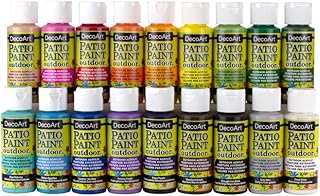
DecoArt Patio Paint Fan Favorites Sampler, 18 Colors
Eighteen 2-ounce bottles of exterior-rated acrylic make this the smart pick for accent work: planters, side tables, stenciled seat backs, and small color tests before you commit a full quart. It’s craft-scale, not furniture-scale, so treat it as a palette rather than a primary coating.
Frequently Asked Questions
Do I need to prime patio furniture before painting?
Not always. Dedicated outdoor furniture paints are self-priming over sound, clean surfaces. Prime any bare metal, heavy rust, or glossy factory powder coat that you’ve had to sand aggressively.
What actually works on faded plastic or resin chairs?
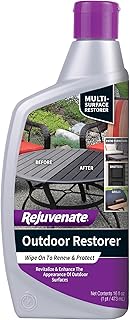
If the plastic is structurally fine and only sun-bleached, try a restorer such as the Rejuvenate Outdoor Restorer first; it reseals the surface and brings the original pigment back without adding a paint film that can peel.
How much prep is enough?
Wash with a degreasing cleaner, rinse, scuff-sand to dull the sheen, and remove chalky residue with a tack cloth. Adhesion failures are nearly always a cleaning problem, not a paint problem.
Brush or spray?
Brushing gives you a thicker, more protective film on spindles and joints, which is where wear starts. Spray only if you can control overspray and are willing to apply three or more light passes.
Final Thoughts
For most refinishing projects, start with the Wolman Outdoor Furniture Paint in Granite, or the white two-pack if you’re tackling an entire dining set in one go. Keep a quart of Rust-Oleum Stops Rust on hand for the metal pieces that have already begun to corrode, and let the DecoArt sampler handle the small, playful accents.