Key takeaways
- Adhesion first: Look for language about bonding to plastic, vinyl, or resin without sanding. If a label only lists wood, drywall, and metal, assume you will need a dedicated plastic bonding primer underneath it.
- Flex and UV rating: Patio chairs twist under body weight and bake in afternoon sun. Choose exterior-rated acrylics or purpose-built furniture enamels that stay slightly flexible instead of curing brittle.
- Restore or recolor: If the plastic is structurally fine and only faded, a restorer brings back depth in one pass with no color commitment. Choose paint when you want a genuine color change or coverage over stains.
- Coverage math: A four-chair dining set typically eats 30 to 60 square feet with two coats. Small craft-size containers are for touch-ups and accents, not full sets.
- Finish behavior: Gloss sheds pollen and rain best but shows every roller mark. Satin hides imperfections on textured resin and reads more contemporary on a modern deck.
What's inside
Plastic patio furniture ages in a very specific way. It does not rust or rot, it just goes chalky, sun-bleached, and faintly sticky, until a set of chairs that cost real money starts dragging down the whole terrace. Most people reach for whatever spray can is left in the garage, and three weeks later it flakes off in sheets. That failure is almost never the color. It is adhesion, because polypropylene and resin are slick, low-energy surfaces that most household paints simply cannot grip.
This guide is built around that problem. Below you will find the products worth putting on molded resin, vinyl, and hard plastic outdoors, plus honest notes on which ones are restorers rather than true coatings, which need a bonding primer first, and which are best kept for the wood or metal pieces sharing your patio. Prep advice is included throughout, because on plastic the prep is the product.
As an Amazon Associate we earn from qualifying purchases.



How to Choose a/an Paint For Plastic Patio Furniture (2026)
- Adhesion first: Look for language about bonding to plastic, vinyl, or resin without sanding. If a label only lists wood, drywall, and metal, assume you will need a dedicated plastic bonding primer underneath it.
- Flex and UV rating: Patio chairs twist under body weight and bake in afternoon sun. Choose exterior-rated acrylics or purpose-built furniture enamels that stay slightly flexible instead of curing brittle.
- Restore or recolor: If the plastic is structurally fine and only faded, a restorer brings back depth in one pass with no color commitment. Choose paint when you want a genuine color change or coverage over stains.
- Coverage math: A four-chair dining set typically eats 30 to 60 square feet with two coats. Small craft-size containers are for touch-ups and accents, not full sets.
- Finish behavior: Gloss sheds pollen and rain best but shows every roller mark. Satin hides imperfections on textured resin and reads more contemporary on a modern deck.
The Best Paint For Plastic Patio Furniture (2026)s Reviewed
Wolman Outdoor Furniture Paint, Quart, Granite
This is the closest thing on the list to a purpose-designed answer, formulated specifically for outdoor furniture including plastic and resin, so it grips without an extra primer step. The granite tone is a quietly sophisticated neutral that makes builder-grade white chairs look intentional, and a quart handles a small set with two thin coats.
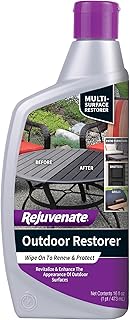
Rejuvenate Outdoor Restorer, 16 oz
Not a paint, and that is exactly its value. It penetrates chalked, oxidized plastic and vinyl to bring back the original color and sheen across up to 800 square feet, which makes it the smart first move before you commit to coating anything. Try this on a faded arm before you buy a gallon of anything else.
Rust-Oleum Appliance Epoxy Gloss White
An unexpectedly strong choice for slick, hard surfaces thanks to its tough epoxy film and genuinely durable gloss white. It is the most scrub-resistant option here, though it wants meticulous degreasing, a scuff, and a plastic bonding primer on flexible resin to reach its full lifespan.
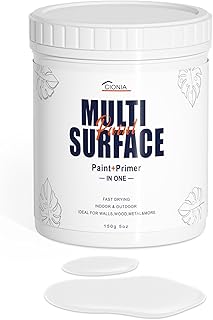
CIONIA All-in-One Multi Surface White Paint
A no-sanding, quick-drying hybrid that covers interior and exterior surfaces with unusually little fuss, and the 5 oz size is ideal for side tables, planters, and plastic accent pieces. Treat it as a small-project and accent paint rather than a full patio set solution.
White High-Gloss Touch Up Paint Pen
Every plastic patio refresh ends with three scratches you did not notice until the light changed. This acrylic pen fixes chair legs, table edges, and hardware nicks in seconds with a gloss white that blends convincingly on most stock resin.
Frequently Asked Questions
Do I really need to sand plastic patio furniture?
You rarely need aggressive sanding, but you do need a scuff. A light pass with a fine abrasive pad plus a thorough degreasing wash removes the chalky oxidized layer that causes almost all peeling.
Is spray or brush better on resin chairs?
Spray wins on woven and heavily contoured resin where a brush cannot reach evenly. Brush or mini-roller application gives better film build on flat tabletops and slat backs.
How long before I can sit on them?
Most exterior enamels are touch-dry within an hour but need several days to fully cure. Give painted seats 72 hours minimum before regular use, longer in humid weather.
Will the DWIL wood paint work on plastic?
It is formulated for wood surfaces, so keep it for your teak bench, door, or planter box. Pair it with a plastic-rated product for the resin pieces rather than stretching one can across both.
Final Thoughts
For a full set repaint, the Wolman Outdoor Furniture Paint remains the most reliable pick because it was engineered for this exact job. Start with the Rejuvenate Outdoor Restorer to see whether your furniture needs paint at all, and keep the Rust-Oleum Appliance Epoxy on hand for high-contact surfaces that need a harder, glossier film.