Key takeaways
- Climate: Check your USDA hardiness zone and whether the vine is annual, perennial, deciduous, or evergreen where you live. A beautiful plant is only useful if it can handle your seasonal conditions.
- Growth rate: Fast climbers deliver coverage sooner, but they may require frequent pruning and stronger supports. Slower growers are often easier to shape around a carefully designed pergola.
- Structure: Consider the vine’s mature weight and climbing method. Twining plants, tendrils, and clinging vines each need different wire, lattice, or beam arrangements.
- Experience: Potted plants offer a head start, while seeds cost less and provide more plants but require patience, germination care, and consistent aftercare.
- Design effect: Choose between fragrance, flowers, foliage, privacy, or seasonal color. The best choice should complement your furniture, lighting, and the amount of shade you want overhead.
What's inside
A pergola can provide shade and structure, but the right vine determines whether it feels like a polished garden room or a tangled maintenance project. Buyers often focus on flower color and growth speed, then discover that a plant may be too vigorous for the structure, too slow for the desired coverage, or poorly suited to their climate.
This guide compares five distinctive choices for 2026, from instantly decorative potted climbers to budget-friendly seed varieties. We look at visual impact, growth habit, fragrance, privacy potential, and the practical demands each vine brings to a modern outdoor space.
As an Amazon Associate we earn from qualifying purchases.




How to Choose a/an Pergola Vines (2026)
- Climate: Check your USDA hardiness zone and whether the vine is annual, perennial, deciduous, or evergreen where you live. A beautiful plant is only useful if it can handle your seasonal conditions.
- Growth rate: Fast climbers deliver coverage sooner, but they may require frequent pruning and stronger supports. Slower growers are often easier to shape around a carefully designed pergola.
- Structure: Consider the vine’s mature weight and climbing method. Twining plants, tendrils, and clinging vines each need different wire, lattice, or beam arrangements.
- Experience: Potted plants offer a head start, while seeds cost less and provide more plants but require patience, germination care, and consistent aftercare.
- Design effect: Choose between fragrance, flowers, foliage, privacy, or seasonal color. The best choice should complement your furniture, lighting, and the amount of shade you want overhead.
The Best Pergola Vines (2026)s Reviewed
Thunbergia Grandiflora Blue Trumpet Vine
The Thunbergia Grandiflora Plants pack offers two established 5- to 9-inch blue trumpet vines, making it the most immediate option for shoppers who want a living pergola feature without starting from seed. Its large blooms and vigorous climbing habit suit privacy screens, arbors, and generously sized structures, though it deserves regular training and pruning in warm climates.
Boston Ivy Vine Seeds
Boston Ivy Vine Seeds are a strong choice for a refined, foliage-led look rather than a flower-heavy display. The pack of 50 seeds is appealing for covering fences, walls, and pergola sides over time, but buyers should plan for a slower establishment period and provide a firm support system as the plants mature.
Purple Wisteria Trees
The 2 Purple Wisteria Tree set brings a more romantic, architectural feel, with two rooted plants in 2.5-inch pots and long lavender-purple flower clusters. Wisteria can become substantial, so these trees are best paired with a sturdy pergola and a gardener willing to prune thoughtfully to encourage flowering and keep the canopy controlled.
Mixed Cypress Vine Seeds
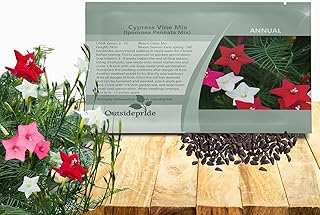
Outsidepride Mixed Cypress Vine Seeds offer a lighter, more delicate vertical planting with star-shaped flowers and feathery foliage. As an annual option, cypress vine is useful for seasonal color and pollinator-friendly garden spaces, especially when you want a soft screen that does not create the permanent weight of a mature woody vine.
Heirloom Wisteria Seeds
These 20 heirloom, non-GMO Wisteria Seeds are suited to patient gardeners who want to grow a classic perennial climber from the beginning. They are a value-oriented route to a dramatic pergola, but germination and flowering can take time, so this pick works best when the garden plan allows for a long-term centerpiece rather than immediate coverage.
Frequently Asked Questions
Which pergola vine grows fastest?
Thunbergia Grandiflora is the strongest fast-coverage candidate among these selections, particularly in warm conditions. Its vigorous growth is an advantage for privacy, but it also means the plant should be guided early and pruned before it overwhelms the structure.
What is the best pergola vine for fragrance?
The listed Jasmine Seeds are the natural fragrance pick, offering the possibility of white flowers and a scented outdoor setting. Because seed-grown plants need time to establish, confirm that jasmine is suitable for your local climate before choosing it for a permanent pergola design.
Are wisteria vines suitable for every pergola?
No. Wisteria develops a heavy, woody framework and should be planted on a well-built pergola with secure posts and substantial overhead support. It is a rewarding choice for a permanent garden feature, but less appropriate for lightweight decorative structures.
Should I buy seeds or established vines?
Choose established plants when you want a quicker visual result and easier early training. Seeds are more economical for larger planting schemes, but they require germination care and a longer wait before the pergola begins to feel enclosed.
Final Thoughts
For immediate color and coverage, Thunbergia Grandiflora Plants are the standout choice. Purple Wisteria Trees suit a substantial pergola with a romantic, high-impact design, while Mixed Cypress Vine Seeds offer a lighter seasonal approach for gardeners who prefer flexibility and easy visual refreshes.