Key takeaways
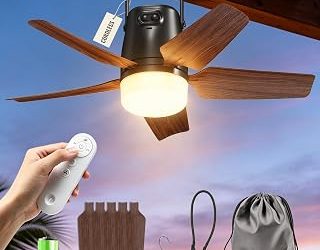
- Compressor or evaporative: Compressor units genuinely drop the temperature and need a window hose. Evaporative coolers, like the 1500ML 4-in-1 AC fan, chill air by passing it over water and work best in dry climates or as spot cooling near a desk or bed.
- Match BTU to square footage, not to the biggest number: Roughly 8,000 BTU suits 200 to 250 sq ft, while 10,000 to 14,000 BTU covers open studios up to about 350 to 500 sq ft. Oversizing cools fast then cycles off, leaving the room clammy.
- Check your window before you check the price: Standard kits assume a double-hung or slider. Casement, awning, and crank windows usually need an adapter panel, and that detail decides whether the unit works at all.
- Noise placement, not just decibels: Every single-hose portable sits in the room with you. Plan for a spot on a hard floor away from the headboard, and prioritize a real sleep mode over an advertised whisper rating.
- Know the maintenance rhythm: Compressor models need occasional draining and a filter rinse. Evaporative models need the tank refilled, sometimes twice a night, which is fine at a desk and tedious across a whole bedroom.
What's inside
Summer used to be a seasonal inconvenience. Now it’s a design constraint. If you rent, live in a converted loft with beautiful uninterrupted glass, or occupy a top-floor bedroom that bakes from three in the afternoon onward, a permanent split system is rarely on the table. So the search narrows to something you can roll in, plug in, and roll out again in October, ideally for less than the cost of a decent side table. That’s where the confusion starts: the sub-$200 shelf is crowded with units that look nearly identical in a product photo but behave completely differently in a real room.
This guide sorts that shelf. Below you’ll find current picks that stay in budget, with a plain explanation of the single most important distinction buyers miss (compressor cooling versus evaporative cooling), how to read BTU claims honestly, and what to expect from venting, noise, and upkeep. Every recommendation is chosen for small-to-medium rooms, apartment living, and setups where you can’t drill, mount, or renovate anything.
As an Amazon Associate we earn from qualifying purchases.


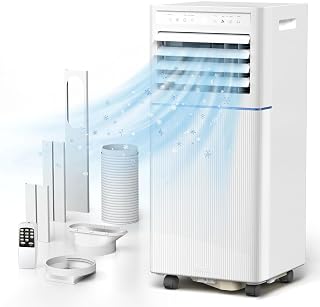

How to Choose a Portable Air Conditioner Under $200 (2026)
- Compressor or evaporative: Compressor units genuinely drop the temperature and need a window hose. Evaporative coolers, like the 1500ML 4-in-1 AC fan, chill air by passing it over water and work best in dry climates or as spot cooling near a desk or bed.
- Match BTU to square footage, not to the biggest number: Roughly 8,000 BTU suits 200 to 250 sq ft, while 10,000 to 14,000 BTU covers open studios up to about 350 to 500 sq ft. Oversizing cools fast then cycles off, leaving the room clammy.
- Check your window before you check the price: Standard kits assume a double-hung or slider. Casement, awning, and crank windows usually need an adapter panel, and that detail decides whether the unit works at all.
- Noise placement, not just decibels: Every single-hose portable sits in the room with you. Plan for a spot on a hard floor away from the headboard, and prioritize a real sleep mode over an advertised whisper rating.
- Know the maintenance rhythm: Compressor models need occasional draining and a filter rinse. Evaporative models need the tank refilled, sometimes twice a night, which is fine at a desk and tedious across a whole bedroom.
The Best Portable Air Conditioners Under $200, Reviewed
Garvee 14000 BTU 3-in-1 Portable AC
The most capable pick here on paper, with cooling, dehumidifier, and fan modes plus a Follow Me remote that reads temperature where you’re sitting rather than at the chassis. Best suited to open-plan studios and living rooms around 750 sq ft, where its footprint and hose are less noticeable.
COSTWAY 10000 BTU Portable Air Conditioner
A sensible middle sizing for a primary bedroom or home office up to roughly 350 sq ft, with drying and fan modes that earn their keep in humid coastal summers. The 24-hour timer and sleep mode make it easy to run overnight without waking to a freezing room.
Antarctic Star 8000 BTU 4-in-1 AC
The friendliest install of the group, which matters if you’re moving the unit between rooms or storing it seasonally. Quiet enough for a studio or bedroom, with dehumidifier and fan modes that let it stay useful on shoulder-season days when full cooling is overkill.
COSTWAY 8000 BTU AC Unit
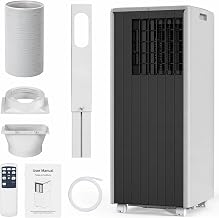
Right-sized for compact spaces up to about 230 sq ft, so it stays efficient in a small bedroom instead of short-cycling. Clean white casing, a window venting kit in the box, and straightforward remote and timer controls with no learning curve.
24″ Windowless 3-in-1 Portable AC
A ventless swamp cooler in a tall, tower-style body, built for rooms where no window kit is possible. The 2-gallon tank and 120-degree oscillation cover a seating area or desk zone well, though expect noticeable relief rather than true air conditioning, especially in humid air.
Frequently Asked Questions
Do windowless portable air conditioners actually cool a room?
They cool the air moving through them by evaporating water, which feels effective in dry heat and near your body. In humid conditions the effect shrinks considerably, and they cannot lower a sealed room’s temperature the way a compressor unit does.
What BTU rating do I need?
Start at about 20 BTU per square foot, then add capacity for west-facing windows, top-floor rooms, or high ceilings. A 200 sq ft bedroom is comfortable at 8,000 BTU; an open studio wants 10,000 or more.
Will one of these be too loud to sleep next to?
Most portables in this range sit in the range of a box fan on medium. Sleep mode reduces fan speed and dims the display, and positioning the unit near the door rather than the bed helps more than any spec sheet.
How often do I need to empty the water?
Many compressor models self-evaporate condensate in normal use and only need manual draining in very humid weather or dehumidifier mode. Evaporative coolers work in reverse: you’re adding water, not removing it.
Final Thoughts
For a true temperature drop in a bedroom or office, the COSTWAY 10000 BTU is the most balanced choice in this budget, with the Antarctic Star 8000 BTU close behind for anyone who wants the simplest install and seasonal storage. If your space genuinely has nowhere to vent, the 24″ windowless tower is the honest compromise: quiet, moveable, and effective as targeted relief rather than whole-room air conditioning.