Key takeaways
- Measure before you shop: Most recliner seats land near 20×20 inches, which is why that dimension dominates the category. Measure the flat seat area between the arms, then subtract a half inch so the cushion sits fully seated rather than riding up the sides.
- Lift versus loft: A 4-inch cushion is easier to get on and off; a 5-inch cushion gives more meaningful hip elevation for anyone with knee or hip limitations. Go thicker only if feet still rest flat on the floor once seated.
- Dual-layer construction: The best boosters pair a dense base for structural support with a softer top layer for comfort. Single-density foam either feels like a plank or collapses within weeks — the layered approach solves both problems.
- Genuine slip resistance: Look for a rubberized or gripped underside plus straps that anchor to the chair. A cushion that shifts as someone transfers is a fall risk, not a comfort upgrade.
- Removable, washable covers: Daily-use seating needs laundering. Zippered covers in a neutral weave keep the cushion hygienic and let it disappear into the room instead of announcing itself as medical equipment.
What's inside
A recliner that once cradled you can turn into a trap. Foam compresses, webbing stretches, and the seat that felt generous in the showroom slowly becomes a bucket — a low, sunken pocket that asks the hips and knees to do work they no longer volunteer for. For an older adult, that extra three or four inches of drop is the difference between rising unassisted and waiting for someone to help. It’s a quiet design failure, and it happens to good furniture.
The fix is unglamorous and remarkably effective: a firm booster cushion sized to the seat, engineered to lift rather than sink. This guide looks at the recliner cushions worth considering in 2026, from patented dual-layer boosters to full-body memory foam systems, and explains what actually separates a cushion that restores independence from one that slides around and flattens by spring.
As an Amazon Associate we earn from qualifying purchases.


How to Choose a Recliner Cushions For Elderly (2026)
- Measure before you shop: Most recliner seats land near 20×20 inches, which is why that dimension dominates the category. Measure the flat seat area between the arms, then subtract a half inch so the cushion sits fully seated rather than riding up the sides.
- Lift versus loft: A 4-inch cushion is easier to get on and off; a 5-inch cushion gives more meaningful hip elevation for anyone with knee or hip limitations. Go thicker only if feet still rest flat on the floor once seated.
- Dual-layer construction: The best boosters pair a dense base for structural support with a softer top layer for comfort. Single-density foam either feels like a plank or collapses within weeks — the layered approach solves both problems.
- Genuine slip resistance: Look for a rubberized or gripped underside plus straps that anchor to the chair. A cushion that shifts as someone transfers is a fall risk, not a comfort upgrade.
- Removable, washable covers: Daily-use seating needs laundering. Zippered covers in a neutral weave keep the cushion hygienic and let it disappear into the room instead of announcing itself as medical equipment.
The Best Recliner Cushions For Elderly (2026)s Reviewed
Patent Design Tufted Dual Layer Booster Cushion, 20x20x5 (Taupe)
This is the reference point for the category: a full 5 inches of patented dual-layer foam with tufting that keeps the layers from separating over time, finished in a taupe that reads as upholstery rather than aid. The firm base delivers real lift for standing, while the softer crown keeps long sitting sessions tolerable.
Non-Slip Booster Seat Cushion for Recliner, 20x20x4
The slimmer 4-inch profile makes this the smarter pick for shorter users or chairs that already sit fairly high, since it raises the hips without leaving feet dangling. Its non-slip base is the standout feature — it stays put through repeated transfers, which matters more than any comfort claim.
5-in-1 Memory Foam Recliner Cushion with Headrest & Footrest Support
Rather than treating the seat in isolation, this system pads the headrest, back, seat, and footrest as one continuous surface with adjustable straps holding it in place. It’s the right answer for a recliner that has gone soft everywhere, or for someone who spends most of the day in the chair and needs neck and leg support alongside the lift.
baibu Memory Foam Recliner Cushion & Lumbar Pillow Set (Black)
Pairing a 5-inch dual-layer seat with a matched lumbar pillow addresses the two complaints that usually arrive together: hip pressure and low-back ache. The black cover is the most furniture-neutral option here, and the set approach saves the guesswork of matching a back support to the seat.
Patented Dual Seat Cushion for Sagging Recliners, 20x20x5 (Brown)
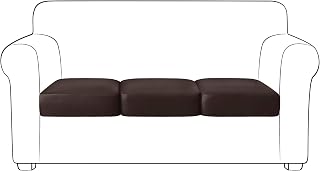
Marketed specifically as a replacement for a collapsed recliner seat, this brown booster rebuilds the seat platform instead of simply layering over it. Choose it when the chair itself is worth keeping but the original foam is beyond recovery.
Frequently Asked Questions
Will a booster cushion stop the recliner from reclining?
A seat-only cushion generally does not interfere with the mechanism, though a very thick one can slightly change how the footrest aligns with the legs. Full-body systems with straps are designed around the moving parts, but check strap placement before the first recline.
Is 4 inches or 5 inches better?
Five inches gives more assistance standing up; four inches keeps feet flat on the floor, which is essential for safe transfers. Measure from the seat to the floor and choose the thickness that still lets heels touch down.
How long does a memory foam cushion last?
Expect one to three years of daily use before noticeable compression. Dual-layer and tufted constructions hold their shape longest because the dense base carries the load rather than the comfort layer.
Can these cushions be used on a sofa or dining chair?
Yes, and many buyers do. A 20×20 booster works on most sofa cushions and armchairs, though narrower dining chairs may need the edges to overhang slightly.
Final Thoughts
For most households, the patented tufted dual-layer booster in taupe is the cushion to start with — it delivers substantial lift, holds its structure, and looks like it belongs in the room. If the whole chair has gone soft, the 5-in-1 memory foam system with headrest and footrest support is the more complete answer, while the baibu seat and lumbar pillow set is the best value for anyone whose back complains as loudly as their hips.