Key takeaways
- Seat width over overall width: Marketing copy often quotes exterior dimensions. Look for the seat measurement between the arms — 22 inches is tight for a broader frame, 26 to 30 inches is comfortable, and a 52-inch exterior usually means real room inside.
- Frame construction: Kiln-dried hardwood or welded steel is what makes a 400-pound rating meaningful. Particleboard and softwood frames may pass a static load test but flex noticeably once the chair is in motion daily.
- Foam density and seat depth: High-density foam over sinuous springs or webbing holds its shape far longer than thick, soft padding alone. Deeper seats also matter for taller users, keeping thighs supported rather than leaving them hanging past the cushion edge.
- Mechanism type: Manual levers are simpler and cheaper to keep running. Power recliners handle heavier loads more gracefully and lift-assist or dual-motor systems separate the back and footrest, which is a real advantage for anyone with mobility or joint concerns.
- Upholstery wear: Chenille has become the default for a reason — it breathes better than faux leather and resists the cracking and peeling that shows up first at the seat edge. Check whether the fabric is treated for stains if the chair will see heavy use.
What's inside
Standard recliners are built to an average that most larger men fall well outside of. The result is familiar: seat cushions that bottom out within a year, arms that pinch at the shoulders, footrests that stop mid-calf, and reclining mechanisms that groan under load until something finally gives. Weight ratings are the obvious spec, but they only describe the frame’s failure point, not whether the chair will still feel supportive after three seasons of daily use.
This guide looks at oversized recliners through the lens of proportion, not just capacity. We’ve focused on chairs rated between 375 and 450 pounds with genuinely wide seats, deeper frames, and either reinforced manual mechanisms or dual-motor power systems. Below you’ll find our current picks, followed by the specs worth scrutinizing before you commit, honest notes on each chair, and answers to the questions that come up most often.
As an Amazon Associate we earn from qualifying purchases.


How to Choose a Recliner For A Big Man (2026)
- Seat width over overall width: Marketing copy often quotes exterior dimensions. Look for the seat measurement between the arms — 22 inches is tight for a broader frame, 26 to 30 inches is comfortable, and a 52-inch exterior usually means real room inside.
- Frame construction: Kiln-dried hardwood or welded steel is what makes a 400-pound rating meaningful. Particleboard and softwood frames may pass a static load test but flex noticeably once the chair is in motion daily.
- Foam density and seat depth: High-density foam over sinuous springs or webbing holds its shape far longer than thick, soft padding alone. Deeper seats also matter for taller users, keeping thighs supported rather than leaving them hanging past the cushion edge.
- Mechanism type: Manual levers are simpler and cheaper to keep running. Power recliners handle heavier loads more gracefully and lift-assist or dual-motor systems separate the back and footrest, which is a real advantage for anyone with mobility or joint concerns.
- Upholstery wear: Chenille has become the default for a reason — it breathes better than faux leather and resists the cracking and peeling that shows up first at the seat edge. Check whether the fabric is treated for stains if the chair will see heavy use.
The Best Recliners For A Big Man (2026) Reviewed
450lb Oversized Power Recliner, 52″ Extra Wide
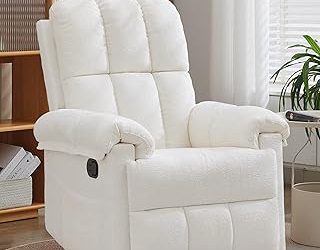
At 52 inches across with a 450-pound rating, this is the most generously proportioned chair in the roundup, and the chenille upholstery plus two included pillows make it feel more like a lounge seat than a medical aid. USB-A and Type-C ports are integrated well, though you’ll want to measure your doorway before ordering.
FUNECORP Big Man Power Lay Flat Lift Recliner
The dual-motor system is the standout here, letting you drop the back fully flat while positioning the footrest independently — genuinely useful for napping or recovery. Heat and vibration are more than gimmicks at this size, and the flip-arm storage keeps a remote and phone within reach without cluttering the seat.
Oversized Power Zero Gravity Recliner
Zero-gravity positioning elevates the legs above the heart, which noticeably reduces pressure on the lower back and hips over long sittings. The overstuffed fabric build is soft rather than firm, so it suits someone who wants to sink in rather than sit upright.
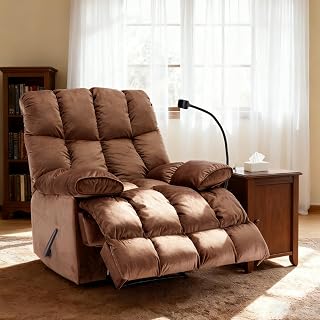
Euthymia Oversized Chenille Recliner, Dark Brown
A well-executed manual option with a 400-pound rating and an extra-wide seat, priced meaningfully below the power models. Fewer components means fewer things to fail, and the dark brown chenille hides wear better than lighter fabrics in a busy room.
Oversized Power Swivel Rocker Recliner, 375lbs
The rare chair that combines swivel, glide, and power recline in a big-and-tall frame, making it the most versatile pick for a nursery or a room where you want to face different directions. Its 375-pound rating is the lowest here, so treat that as a firm ceiling rather than a rough guide.
Frequently Asked Questions
Is a higher weight capacity always better?
Not on its own. A 450-pound rating tells you the frame won’t fail, but comfort depends on seat width, foam density, and frame material. A well-built 400-pound chair with a 28-inch seat often outlasts a higher-rated one with thin padding.
Do power recliners hold up better than manual ones?
For heavier users, generally yes. Power mechanisms distribute load through a motor rather than a spring-loaded lever, so there’s less strain on any single point. The tradeoff is more electronics that can eventually need service.
How much clearance do these chairs need?
Plan for four to six inches behind the chair for most models, though wall-hugger designs reduce that. Also measure the fully extended footrest length, which can add 20 inches or more to the footprint.
Are these difficult to assemble?
Most arrive in two or three sections that click together, and one person can usually manage it in under 30 minutes. The boxes themselves are heavy, so having help moving them into position matters more than the assembly.
Final Thoughts
If you want maximum room and the highest capacity available, the 450lb 52-inch power recliner is the clear choice. Those prioritizing mobility support should look at the FUNECORP dual-motor lift model for its independent lay-flat function, while the Euthymia chenille recliner delivers the best value for anyone who doesn’t need power at all.