Key takeaways
- Suction Power: Aim for at least 5,000 Pa if you have pets or medium-pile carpets; budget models below that threshold struggle with embedded debris on fabric surfaces.
- Navigation System: LiDAR-equipped models map rooms in precise grids and avoid getting stuck on furniture legs, while older infrared or bumper-based units bounce around randomly and miss spots.
- Self-Empty Base: A bagless or high-capacity dustbin dock eliminates daily emptying and keeps allergens sealed—essential if anyone in your home has sensitivities.
- Battery Runtime: Look for 120 minutes or more of continuous runtime so the vacuum can cover a full-sized home in a single charge cycle without docking mid-job.
- App and Voice Integration: Scheduling, room-specific cleaning, and compatibility with Alexa or Google Home turn a good vacuum into one you genuinely forget about—just set it and walk away.
What's inside
Buying a robot vacuum in 2026 shouldn’t feel like decoding an engineering manual, yet here we are—wall-to-wall specs, confusing model suffixes, and every brand promising it will change your life. Most households don’t need a floor-mopping hybrid at all; they need reliable, hands-off suction on hard floors and carpet without paying for features they’ll never use. That gap between marketing and actual need is exactly what makes shopping exhausting.
This guide cuts through the noise. We evaluated the top-rated, mop-free and mop-optional robot vacuums available right now, weighing raw suction power, navigation intelligence, self-empty convenience, and long-term upkeep. Every pick below earned its spot by solving a real problem—pet hair on a rug, dust bunnies under a sofa, a weeknight schedule that leaves zero room for manual cleaning.
As an Amazon Associate we earn from qualifying purchases.




How to Choose a Robot Vacuum Without Mop (2026)
- Suction Power: Aim for at least 5,000 Pa if you have pets or medium-pile carpets; budget models below that threshold struggle with embedded debris on fabric surfaces.
- Navigation System: LiDAR-equipped models map rooms in precise grids and avoid getting stuck on furniture legs, while older infrared or bumper-based units bounce around randomly and miss spots.
- Self-Empty Base: A bagless or high-capacity dustbin dock eliminates daily emptying and keeps allergens sealed—essential if anyone in your home has sensitivities.
- Battery Runtime: Look for 120 minutes or more of continuous runtime so the vacuum can cover a full-sized home in a single charge cycle without docking mid-job.
- App and Voice Integration: Scheduling, room-specific cleaning, and compatibility with Alexa or Google Home turn a good vacuum into one you genuinely forget about—just set it and walk away.
The Best Robot Vacuums Without Mop (2026) Reviewed
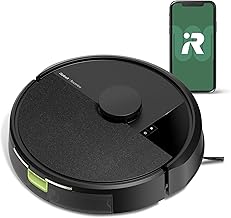
iRobot Roomba 105 Vac with AutoEmpty Dock
LiDAR-guided neat-row cleaning combined with a self-emptying dock that holds up to 75 days of debris makes this the set-it-and-forget-it champion for busy households. The power-lifting suction handles area rugs and hardwood with equal confidence, and iRobot’s app remains one of the most intuitive in the category.
Shark AV2501S AI Ultra
Shark’s Matrix Clean pattern ensures the AV2501S covers every square inch instead of leaving random streaks, and its 30-day HEPA bagless base means you never buy replacement bags. The self-cleaning brushroll is a genuine time-saver for pet owners tangled in the daily fur cycle.
eufy 11S MAX
The slimmest profile in this roundup lets the eufy 11S MAX glide under low-profile furniture where bulkier units simply can’t go. It trades smart mapping for pure mechanical simplicity—no app dependency, no overthinking—which makes it the ideal pick for anyone who wants a vacuum that works the moment you press start.
Q10 Pro Self-Emptying Robot Vacuum
At 8,000 Pa of suction, the Q10 Pro punches well above its price point, pulling embedded pet hair out of carpet fibers that weaker units leave behind. The laser-guided mapping and 150-minute runtime cover even large floor plans in one pass, and the self-empty dock keeps maintenance to a monthly task.
LIDAR Mapping Self-Emptying Robot Vacuum (6,000 Pa)
With a 90-day self-empty capacity and reliable LiDAR navigation, this 3-in-1 unit bridges the gap between budget models and premium flags. Its 6,000 Pa suction handles hard floors and low-to-medium carpet without complaint, and voice control through Alexa means your hands never leave the couch.
Frequently Asked Questions
Do I actually need a robot vacuum without a mop function?
If your home is mostly carpet, area rugs, or you already have a dedicated mop or steam cleaner, paying extra for a mop module you won’t use is wasteful. Pure-vacuum models tend to have fewer mechanical parts that can fail and often deliver stronger suction per dollar.
How often should I run my robot vacuum?
For most homes, three to four times per week keeps dust and allergen buildup in check without putting unnecessary strain on the brushes or motor. Pet-heavy households benefit from daily cycles, especially during shedding season.
Are self-empty bases worth the extra cost?
Absolutely, if you value your time. A self-empty dock lets you go weeks—sometimes two or three months—without touching the dustbin, and sealed bags or HEPA-filtered bases keep fine particles from re-entering your air during emptying.
Can robot vacuums navigate multi-level homes?
Most modern LiDAR models store multiple floor maps, so you can carry the unit upstairs, set it down, and let it recognize the new layout automatically. Budget models without mapping will need manual boundary strips to keep them on the correct floor.
Final Thoughts
For the best all-around balance of power, intelligence, and low maintenance, the iRobot Roomba 105 Vac with AutoEmpty Dock leads the pack. Pet owners on a budget should look closely at the Q10 Pro, while the eufy 11S MAX remains a smart pick for smaller spaces and simplicity seekers. Any of these three will handle daily cleaning so you don’t have to.