Key takeaways
- Load rating over screen size: Diagonal inches tell you less than pounds. A 75-inch OLED can weigh under 60 lbs while a 75-inch commercial panel pushes past 130. Weigh your set, then pick a cart rated well above it, with headroom rather than at the ceiling.
- VESA pattern match: Measure the hole spacing on the back of your TV in millimeters before buying. Most consumer sets land at 400x400mm or smaller; large-format displays climb to 800×600 or 1000×600, and only heavy-duty carts reach that far.
- Height range and eye line: Seated viewing wants the screen center near 42 inches; standing presentations want it higher. Check that the adjustment range actually brackets your use case rather than sitting entirely above or below it.
- Caster quality and locks: Look for four locking wheels, not two. Small hard casters chatter on tile and stall on rugs; larger wheels with a smooth bearing roll quieter and track straighter across thresholds.
- Shelves and cable routing: An AV shelf sized for a soundbar or console keeps electronics traveling with the screen. A webcam shelf above the panel matters for video calls, and internal cable channels are what separate a tidy cart from a trip hazard.
What's inside
Wall mounting used to be the default answer for a floating television, but it assumes something increasingly rare: that your layout is permanent. Renters can’t drill. Open-plan living rooms have no obvious anchor wall. Home offices double as studios, classrooms double as conference rooms, and the screen needs to face a different direction by Thursday. A rolling TV stand solves the geometry problem that a fixed bracket creates, giving you mount-quality positioning on casters you can steer with one hand.
The catch is that mobile carts vary wildly in build quality, and the spec that matters most, load capacity, is the one buyers tend to skim past. Below, we’ve gathered six carts that hold up under real use, spanning small bedroom screens to 100-inch commercial displays. You’ll find guidance on matching VESA patterns and weight ratings to your setup, short reviews of the strongest options, and answers to the questions that come up after the box is open.
As an Amazon Associate we earn from qualifying purchases.


How to Choose a/an Rolling Tv Stand (2026)
- Load rating over screen size: Diagonal inches tell you less than pounds. A 75-inch OLED can weigh under 60 lbs while a 75-inch commercial panel pushes past 130. Weigh your set, then pick a cart rated well above it, with headroom rather than at the ceiling.
- VESA pattern match: Measure the hole spacing on the back of your TV in millimeters before buying. Most consumer sets land at 400x400mm or smaller; large-format displays climb to 800×600 or 1000×600, and only heavy-duty carts reach that far.
- Height range and eye line: Seated viewing wants the screen center near 42 inches; standing presentations want it higher. Check that the adjustment range actually brackets your use case rather than sitting entirely above or below it.
- Caster quality and locks: Look for four locking wheels, not two. Small hard casters chatter on tile and stall on rugs; larger wheels with a smooth bearing roll quieter and track straighter across thresholds.
- Shelves and cable routing: An AV shelf sized for a soundbar or console keeps electronics traveling with the screen. A webcam shelf above the panel matters for video calls, and internal cable channels are what separate a tidy cart from a trip hazard.
The Best Rolling Tv Stand (2026)s Reviewed
ONKRON Mobile TV Stand, 50–100 Inch
This is the cart to specify when the display is genuinely large: 265 lbs of capacity, VESA support to 1000×600, and a height range topping out at 66.2 inches for standing-room sightlines. The tilt function is the detail installers appreciate, letting you kill overhead glare without repositioning the whole base.
ONKRON Mobile TV Stand, 50–90 Inch
A more proportionate choice for conference rooms and media walls, handling up to 200 lbs and VESA 800×600 with the same considered extras: AV and webcam shelves, routed cable channels, and locking wheels. It adjusts from 45.6 to 63.4 inches, which covers seated boardroom viewing and standing presentation height in one frame.
ONKRON Mobile TV Stand, 32–75 Inch
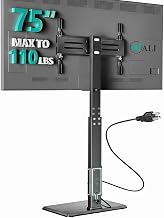
The sweet spot for most homes, sized for 110 lbs and VESA 600×400 without the visual bulk of the heavy-duty models. The 39.3-inch low setting is the reason to choose it, dropping the screen to a natural sofa eye line that taller carts can’t reach.
FITUEYES Mobile Rolling TV Cart, Master Series
Nearly every mobile cart arrives in black, so this white finish is a genuinely useful option for lighter interiors where a steel column would otherwise read as equipment. It fits 32–65-inch sets to VESA 400×400 and tucks into corners cleanly, which is where floating screens tend to end up in smaller rooms.
PERLESMITH Rolling TV Stand, 23–65 Inch (PSTVMC04)
A well-judged value pick with a 99 lb rating, tilt, and an adjustable shelf that moves with your component stack instead of fixing it in place. It handles patio and bedroom duty comfortably, and the height adjustment makes it easy to repurpose as rooms change.
Frequently Asked Questions
Are rolling TV stands stable enough for a large screen?
Yes, provided the cart is rated for the load and the base is wide enough. Stability comes from the footprint and counterweight geometry, not the wheels. Keep the casters locked during use and avoid extending the column to its maximum with an unusually heavy panel.
Can I use one outdoors?
For covered patios and short-term use, several of these carts work well and roll back inside afterward. Extended outdoor exposure isn’t advisable for powder-coated steel, and it will void most TV warranties unless the set is rated for it.
What if my TV doesn’t have VESA holes that fit?
Curved backs and recessed mounting points sometimes need spacers, and many carts ship with them. Confirm your measured pattern falls within the stand’s stated range, and check whether extension bolts are included for deeper cavities.
How difficult is assembly?
Expect 30 to 45 minutes with the included hardware. The one step worth a second pair of hands is lifting the panel onto the bracket, especially above 50 inches.
Final Thoughts
For most living rooms and home offices, the ONKRON 32–75 Inch cart hits the right balance of capacity, low-height flexibility, and restrained profile. Step up to the ONKRON 50–100 Inch model if you’re mounting a large-format or commercial display, and consider the FITUEYES Master Series in white when the stand needs to disappear into a lighter room rather than announce itself.