Key takeaways
- Detail attachments over pad count: A flat mop head glides over grout without touching the bottom of the joint. Prioritize machines that include stiff nylon or brass detail brushes and a narrow jet nozzle, since those are the tools doing the real work on seams.
- Variable steam settings: Sealed travertine, marble, and luxury vinyl need a gentler output than glazed porcelain. Two or three steam levels let you use one machine across a whole house instead of hunting for a second tool.
- Tank size versus weight: Larger tanks mean fewer interruptions, but every ounce of water is weight in your hands during upright work. Canisters solve this by keeping the reservoir on the floor; stick models keep it simple.
- Cord length and reach: Anything under 20 feet turns an open-plan kitchen into a series of outlet negotiations. A 23-foot cord or longer covers most rooms from one plug.
- Handheld conversion: Grout runs up walls too — showers, backsplashes, tub surrounds. A unit that detaches into a handheld steamer earns its keep well beyond the floor.
What's inside
Grout is the quiet saboteur of a well-designed room. You can specify beautiful large-format porcelain, get the layout dead level, pick a warm greige joint filler, and still watch the whole floor read as dingy eighteen months later, because the grout line sits a millimeter below the tile face and collects everything the tile sheds. Mopping with a bucket makes it worse: dirty water settles into those channels and dries there. What actually lifts it is heat and pressure, applied narrowly.
This guide looks at steam cleaners specifically through that lens — not general floor care, but the recessed seam between tiles. We compared how each machine handles detail work in corners and along baseboards, whether the steam output is adjustable enough for stone and sealed surfaces, how the attachments hold up under scrubbing pressure, and how quickly you can go from cabinet to cleaning. Below are the models worth your countertop space in 2026.
As an Amazon Associate we earn from qualifying purchases.





How to Choose a Steam Mop For Grout And Tile (2026)
- Detail attachments over pad count: A flat mop head glides over grout without touching the bottom of the joint. Prioritize machines that include stiff nylon or brass detail brushes and a narrow jet nozzle, since those are the tools doing the real work on seams.
- Variable steam settings: Sealed travertine, marble, and luxury vinyl need a gentler output than glazed porcelain. Two or three steam levels let you use one machine across a whole house instead of hunting for a second tool.
- Tank size versus weight: Larger tanks mean fewer interruptions, but every ounce of water is weight in your hands during upright work. Canisters solve this by keeping the reservoir on the floor; stick models keep it simple.
- Cord length and reach: Anything under 20 feet turns an open-plan kitchen into a series of outlet negotiations. A 23-foot cord or longer covers most rooms from one plug.
- Handheld conversion: Grout runs up walls too — showers, backsplashes, tub surrounds. A unit that detaches into a handheld steamer earns its keep well beyond the floor.
The Best Steam Mop For Grout And Tile (2026)s Reviewed
McCulloch MC1385 Canister Steam Cleaner
This is the serious choice for grout restoration: a full canister system with 23 accessories, including the brass and nylon brushes that make short work of neglected joints. The tradeoff is bulk and a longer heat-up, but nothing else here matches its sustained pressure over a large tiled area.
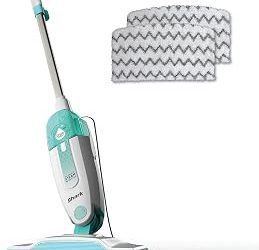
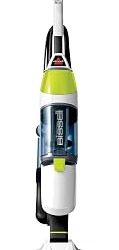
BISSELL PowerFresh 1940A Steam Mop
The built-in Easy Scrubber flips down to attack a stubborn patch without stopping to change tools, and the variable steam dial makes it safe on sealed hard floors. A well-judged everyday machine with a 12-inch path that keeps maintenance cleaning fast.
H2O X5 5-in-1 Steam Mop & Handheld
Genuinely versatile — it splits into a handheld with grout, window, and garment attachments, so one purchase covers floors, shower walls, and glass. Best suited to smaller homes where storage is tight and multipurpose gear wins.
10-in-1 Steam Mop with 11 Accessories
The broadest accessory kit at the entry level, with a detachable handheld and enough brush heads to cover tile, upholstery, and fixtures. Expect lighter build quality than the McCulloch, but excellent value if you clean grout occasionally rather than weekly.
10-in-1 Steam Mop with 23ft Cord & 15oz Tank
Adjustable steam plus adjustable height makes this the most comfortable pick for taller users, and the long cord genuinely reduces replugging. The 15-ounce tank is modest, so plan a refill in larger kitchens.
Frequently Asked Questions
Will steam damage my grout?
Cured, well-maintained grout handles steam fine. Crumbling or unsealed grout is a different story — repair it first, then reseal a few days after your first deep steam.
Do I need detergent?
No, and most manufacturers void warranties if you add it. Steam works by softening and lifting soil; a microfiber pad or brush then carries it away.
How often should I steam tile floors?
Weekly in kitchens and entryways, monthly elsewhere. Frequent light passes prevent the buildup that requires an afternoon with a detail brush.
Is a canister better than a stick steamer?
For grout, yes — canisters deliver higher, more consistent pressure and come with better detail tooling. Stick models win on convenience and storage.
Final Thoughts
If your grout has years of buildup to answer for, the McCulloch MC1385 is the tool that will actually reverse it. For ongoing upkeep on beautiful floors you’d rather not overthink, the BISSELL PowerFresh 1940A strikes the best balance of speed and control, while the H2O X5 is the smart pick for apartments where one machine has to handle floors, glass, and shower tile alike.