Key takeaways
- Adjustable steam modes: A low or “dust mop” setting is the single most important feature for laminate. Fixed-output machines force you to move faster than is comfortable to avoid leaving moisture behind on seams and edges.
- Fast-drying pad design: Look for microfiber pads with a textured or ribbed weave that lifts grit and holds moisture rather than pushing a wet film ahead of the head. Two pads in the box means you never mop with a saturated one.
- Weight and swivel: Anything above roughly seven pounds becomes a chore around dining chairs and toe kicks. A true swivel neck lets you keep the head flat, which matters because a tilted head concentrates steam in one spot.
- Tank type and cord length: A removable tank is far easier to refill at the sink, and a 20-foot-plus cord lets you clear an open-plan main floor from a single outlet. Small tanks are not a flaw here; laminate rarely needs a full reservoir.
- Genuine multi-surface range: If you also have tile, vinyl plank, or a bathroom that needs attention, a detachable handheld unit turns one purchase into a whole-home tool. Just confirm your laminate is sealed and click-locked before steaming at all.
What's inside
Laminate is the material that made warm, wood-look flooring accessible to nearly everyone, and it is also the one most often ruined by good intentions. The wear layer on top shrugs off shoes, chairs, and dog claws, but the fiberboard core underneath behaves like a sponge the moment water finds a seam. That is the tension every laminate owner runs into: the surface looks like it wants a deep clean, while the construction quietly asks for restraint.
A steam mop resolves that tension, but only if it is the right kind. What matters is how quickly the head dries behind you, how much control you have over output, and whether the machine can dial itself down instead of blasting one fixed setting at every floor in the house. This guide breaks down the specifications that actually protect a laminate installation, then reviews the models worth considering in 2026, from lightweight everyday mops to multi-tool systems that handle grout and upholstery in the same session.
As an Amazon Associate we earn from qualifying purchases.


How to Choose a Steam Mop For Laminate Floors (2026)
- Adjustable steam modes: A low or “dust mop” setting is the single most important feature for laminate. Fixed-output machines force you to move faster than is comfortable to avoid leaving moisture behind on seams and edges.
- Fast-drying pad design: Look for microfiber pads with a textured or ribbed weave that lifts grit and holds moisture rather than pushing a wet film ahead of the head. Two pads in the box means you never mop with a saturated one.
- Weight and swivel: Anything above roughly seven pounds becomes a chore around dining chairs and toe kicks. A true swivel neck lets you keep the head flat, which matters because a tilted head concentrates steam in one spot.
- Tank type and cord length: A removable tank is far easier to refill at the sink, and a 20-foot-plus cord lets you clear an open-plan main floor from a single outlet. Small tanks are not a flaw here; laminate rarely needs a full reservoir.
- Genuine multi-surface range: If you also have tile, vinyl plank, or a bathroom that needs attention, a detachable handheld unit turns one purchase into a whole-home tool. Just confirm your laminate is sealed and click-locked before steaming at all.
The Best Steam Mops For Laminate Floors (2026), Reviewed
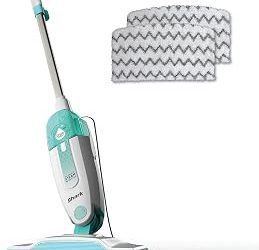
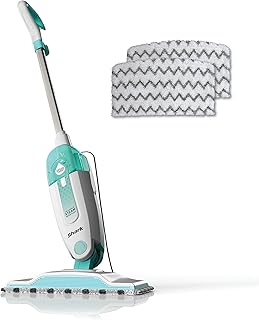
Shark Steam Mop S1000
The most sensible default for laminate: light, uncomplicated, and quick to heat, with a removable tank and two Dirt Grip pads that trap grit instead of smearing it. There are no modes to fiddle with, so keep the head moving and treat it as a fast weekly refresh rather than a deep-scrubbing tool.
Shark Steam & Scrub S8201
The self-cleaning rotating pad does the scrubbing motion your wrist would otherwise supply, and three steam settings let you drop to the gentlest output for laminate while saving the higher modes for tile. LED headlights sound gimmicky until you see what they reveal along baseboards.
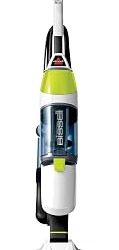
BISSELL Spinwave SmartSteam 3897A
SmartSteam adjusts output based on the mess it detects, which suits mixed-floor homes where you move from laminate hallway to kitchen tile without stopping to change settings. The swivel steering is genuinely good, though it is the heaviest option here.
11-in-1 Steam Mop with 23 ft Cord
A converter-style system: use it as an upright mop, then detach the handheld for window glass, sealed grout, and garment refreshing. The 15.2 oz tank and three modes keep laminate sessions brief and low-moisture, and the long cord covers most floor plans in one pass.
10-in-1 Detachable Steam Mop
Adjustable steam plus adjustable pole height make this the most accommodating pick for taller users and for anyone alternating between vinyl, laminate, and carpet glide duty. Two pads and a 23-foot cord round out a well-specified budget package.
Frequently Asked Questions
Is steam actually safe on laminate flooring?
On modern, tightly locked, sealed laminate, brief low-steam passes are generally fine. On older installations, planks with visible seam gaps, or any floor with water damage history, skip steam entirely and use a barely damp microfiber mop. Check your manufacturer’s warranty language first, since some void coverage for steam.
How often should I steam laminate?
Every one to two weeks is plenty for most homes. Dry vacuuming or sweeping does the heavy lifting on grit; steam is for the film that builds up from cooking, pets, and bare feet.
Do I need distilled water?
In hard-water areas, yes. Minerals scale the heating element and shorten the machine’s life, and they can leave a faint haze on dark laminate. Filtered water is an acceptable compromise.
Can I add cleaning solution to the tank?
Not unless the manual explicitly allows it. Additives clog the steam path and void most warranties, and part of the appeal here is chemical-free cleaning that leaves no residue for socks to pick up.
Final Thoughts
For most laminate homes, the Shark S1000 is the right amount of machine: light enough to grab mid-week, simple enough to use correctly. Step up to the Shark Steam & Scrub S8201 if you want variable steam and a scrubbing action that still respects the floor, or the BISSELL Spinwave SmartSteam 3897A if your laminate shares space with tile and you would rather the mop make the moisture decisions for you.