Key takeaways
- Variable steam control: This is the single most important feature for vinyl. You want a low or “hard floor” setting that dampens the pad rather than saturating it, reserving high output for grout and entryway grime. Fixed-output mops are a gamble on LVP.
- Pad quality and swivel: Microfiber that stays flat and a head that pivots cleanly means fewer passes and less standing heat in one spot. Look for at least two washable pads so one is always dry and ready.
- Heat-up time and tank size: Thirty seconds to steam keeps quick cleanups realistic. A larger tank matters in open-plan spaces where a small reservoir dies halfway across the room.
- Cord length: Twenty feet is workable; 23 feet lets you clear a kitchen and hallway from one outlet. Corded is the right call here — battery steamers rarely sustain consistent temperature.
- Weight and handling: Under six pounds is the comfort threshold for stairs and baseboards. Detachable handheld units add versatility for grout lines, upholstery, and sealed shower surrounds.
What's inside
Vinyl plank has quietly become the default floor in renovated kitchens, rental turnovers, and open-plan living rooms — and for good reason. It shrugs off spills, mimics oak convincingly, and costs a fraction of the real thing. The catch shows up on cleaning day: vinyl is a layered material, bonded with adhesive, and it does not love aggressive heat. Blast a cheap steamer on high across a seam for too long and you risk cloudy film, lifted edges, or a dulled wear layer. Meanwhile, mopping with a bucket leaves behind the exact residue that makes vinyl look grey and tired six months in.
The fix is a steam mop with genuine control — variable output, a pad that glides rather than drags, and enough tank capacity that you are not refilling mid-room. Below are the models worth considering in 2026, chosen for how they behave on sealed luxury vinyl plank and sheet vinyl specifically, not just tile. Each pick is followed by a short read on where it fits, plus a buying framework and answers to the questions we hear most from readers finishing a floor install.
As an Amazon Associate we earn from qualifying purchases.




How to Choose a Steam Mop Vinyl Floors (2026)
- Variable steam control: This is the single most important feature for vinyl. You want a low or “hard floor” setting that dampens the pad rather than saturating it, reserving high output for grout and entryway grime. Fixed-output mops are a gamble on LVP.
- Pad quality and swivel: Microfiber that stays flat and a head that pivots cleanly means fewer passes and less standing heat in one spot. Look for at least two washable pads so one is always dry and ready.
- Heat-up time and tank size: Thirty seconds to steam keeps quick cleanups realistic. A larger tank matters in open-plan spaces where a small reservoir dies halfway across the room.
- Cord length: Twenty feet is workable; 23 feet lets you clear a kitchen and hallway from one outlet. Corded is the right call here — battery steamers rarely sustain consistent temperature.
- Weight and handling: Under six pounds is the comfort threshold for stairs and baseboards. Detachable handheld units add versatility for grout lines, upholstery, and sealed shower surrounds.
The Best Steam Mop Vinyl Floors (2026)s Reviewed
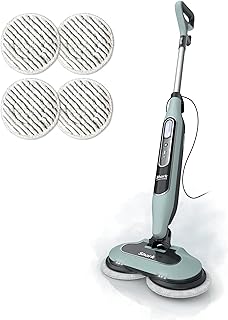
Shark Steam & Scrub S8001
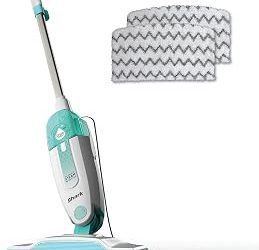
Shark’s self-cleaning pad system rotates as you push, lifting dried residue without the scrubbing motion that wears vinyl’s finish. The XL tank and LED headlights make it the pick for large open floorplans, though its higher steam output means keeping the mop moving on softer LVP.
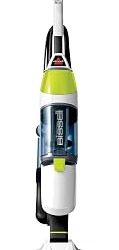
BISSELL PowerFresh 1940A
Still the most sensible all-rounder on this list. Three steam levels give you real command over moisture, the 12-inch path covers ground quickly, and the flip-down scrubber handles a grout transition strip without requiring a second tool.
Amazon Basics Steam Mop
A straightforward, no-fuss machine for sealed hard floors that heats in about 30 seconds and includes three washable pads. It is the value entry here — light, simple, and well suited to apartments or as a second mop kept upstairs.
Lightweight Adjustable Steam Mop (23ft Cord)
The combination of adjustable steam modes and adjustable height makes this a strong ergonomic match for taller users and low-clearance furniture alike. The long cord and low weight suit hallways, closets, and stair landings where bulkier units become a chore.
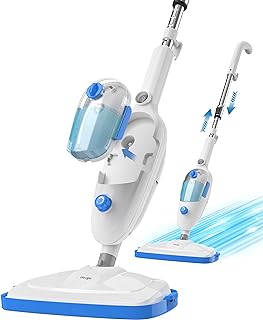
10-in-1 Detachable Multi-Purpose Steamer
Detach the handheld and you get a genuine whole-home tool: grout, sealed counters, appliance seals, and window tracks all fall within range. Adjustable steam and height keep it safe for vinyl while the accessory kit justifies its footprint in a small utility closet.
Frequently Asked Questions
Is steam actually safe on vinyl plank flooring?
On properly sealed, well-installed LVP or LVT, yes — at low steam settings, with continuous movement, and no lingering in one place. Check your manufacturer’s warranty first, since a few brands specifically exclude steam cleaning.
Do I need cleaning solution?
No. Steam mops are designed to work with plain water, and adding detergent can clog the boiler or leave the residue you are trying to eliminate. Use distilled water in hard-water regions to prevent mineral buildup.
How often should I steam clean?
Weekly in high-traffic kitchens and entries, every two to three weeks elsewhere. Dry sweep or vacuum first every time — steam pushed over grit becomes fine sandpaper on the wear layer.
Will steam fix scratches or dull spots?
It removes the haze caused by soap film and body oils, which often reads as dullness. True abrasion in the wear layer needs a restorative polish or plank replacement.
Final Thoughts
For most vinyl floors, the BISSELL PowerFresh 1940A remains the safest, most controllable choice at a fair price. Larger homes benefit from the Shark Steam & Scrub S8001 and its bigger tank, while the 10-in-1 detachable steamer is the smart pick if you want one machine handling floors, grout, and everything above them.