Key takeaways
- Best Overall Type: Percale, represented by the Boll & Branch Percale Hemmed Sheet Set in 100% organic cotton.
- Best Value Type: Percale again, in the Linen Home 100% Cotton Percale set with a 15 inch pocket.
- Best for Humid Rooms: Linen blend, represented by the Simple&Opulence Belgian Linen set, a natural flax and cotton blend.
- Best Silky Type: Eucalyptus lyocell, represented by the CASILVA Eucalyptus Sheets with a silver anti-odor claim.
- Best Easy-Care Type: Cotton jersey knit, represented by the Utopia Bedding Jersey Knit Sheets.
- Type to Use Carefully: Cotton sateen, represented by California Design Den 400 thread count sateen, smooth but less airy than percale.
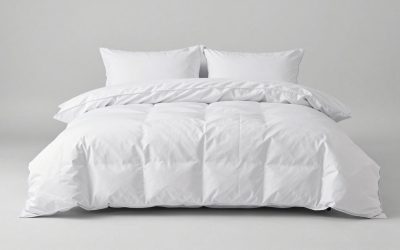
The best type of sheets for hot sleepers is cotton percale for most people: a plain, open weave in a natural fiber that lets heat and moisture escape. Linen is the better type if your room is humid, and lyocell (sold as Tencel or eucalyptus sheets) is the best choice if you want a silky feel with good moisture handling. Our top pick is the Boll & Branch organic percale set, with the Linen Home percale set as the runner-up for budget-minded shoppers. This guide sorts hot-sleeper sheets by weave and fiber first, then matches one real set to each type, so you learn what to look for even when a listing is vague. It is research-based; we did not personally use these products, and we drew on maker pages, listing details and independent bedding coverage.
Our top picks


As an Amazon Associate we earn from qualifying purchases at no extra cost to you.
Top Picks at a Glance
- Best Overall Type: Percale, represented by the Boll & Branch Percale Hemmed Sheet Set in 100% organic cotton.
- Best Value Type: Percale again, in the Linen Home 100% Cotton Percale set with a 15 inch pocket.
- Best for Humid Rooms: Linen blend, represented by the Simple&Opulence Belgian Linen set, a natural flax and cotton blend.
- Best Silky Type: Eucalyptus lyocell, represented by the CASILVA Eucalyptus Sheets with a silver anti-odor claim.
- Best Easy-Care Type: Cotton jersey knit, represented by the Utopia Bedding Jersey Knit Sheets.
- Type to Use Carefully: Cotton sateen, represented by California Design Den 400 thread count sateen, smooth but less airy than percale.
Sheet Type Comparison Table for Hot Sleepers
| Type and example set | Best for | Key specs | Watch for | Price tier |
|---|---|---|---|---|
| Percale: Boll & Branch | Most hot sleepers | 100% organic cotton, hemmed percale, 4 pieces (flat, fitted, 2 pillowcases) | Crisp feel; premium cost | Premium |
| Percale: Linen Home | Value | 100% cotton percale, 15 in pocket, 4 pieces | Shallower pocket | Budget |
| Linen blend: Simple&Opulence | Humid climates | Natural flax and cotton blend, 4 pieces, full size listed | Blend ratio not listed | Mid-range |
| Eucalyptus lyocell: CASILVA | Silky cool feel | Eucalyptus fiber, silver anti-odor, queen | Fiber ratio and pocket not listed | Mid-range |
| Jersey knit: Utopia | Casual beds | Cotton jersey, 4 pieces, stretch fit | Less crisp | Budget |
| Sateen: California Design Den | Cooler months | Cotton sateen, 400 thread count, 16 in pocket | Holds more warmth | Mid-range |
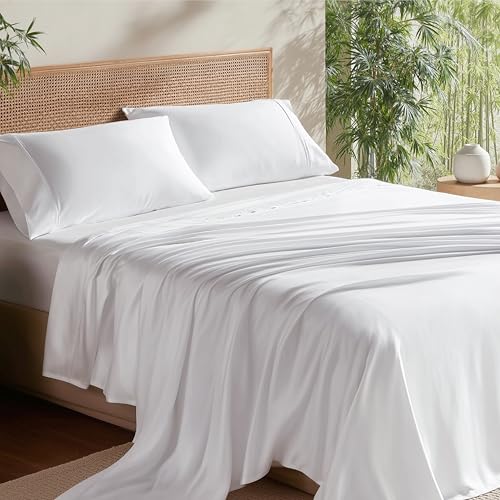
1. Boll & Branch Percale Hemmed Sheet Set: Percale: best overall type for hot sleepers
- Fiber: luxury 100% organic cotton
- Weave: percale, cooling and breathable
- Pieces: 4 (1 flat, 1 fitted, 2 pillowcases)
- Finish: hemmed edges
- Sizes: king in white shown; other sizes are sold
Best for: hot sleepers who want a durable, premium percale in a natural fiber.
Skip if: you want a silky feel or a modest outlay.
Percale is the first answer to which type of sheets suit hot sleepers. The weave is balanced and plain, which leaves small gaps for air to move through. The fabric feels crisp and dry rather than smooth and clingy, so it does not stick to damp skin.
The listing highlights organic cotton and a hemmed finish. Hemmed edges look tailored and are a design choice that suits a clean, minimal bed. We do not quote thread count because the listing title does not give one, and in percale it matters less than fiber quality.
Expect the sheets to soften through the first months of washing. They are an investment, so they suit people who want to keep a set for years.
Care note: wash percale in warm water and dry on medium, removing it while a little damp to cut wrinkles. Percale improves with every wash, so judge it after the first month rather than the first night. Because this set has hemmed edges, a quick smoothing by hand when making the bed gives it a neat, hotel-like look.
Pros
- Organic cotton
- Crisp percale airflow
- Clean hemmed look
Cons
- Premium cost
- Crisp feel is not silky
2. Linen Home 100% Cotton Percale Sheets: Percale: best value
- Fiber: 100% cotton
- Weave: percale
- Pieces: 4 (fitted, flat and 2 pillowcases)
- Pocket: 15 inches
- Color shown: white
Best for: readers who want percale airflow at a lower outlay.
Skip if: your mattress is thicker than about 13 inches or has a topper.
This set offers the same weave logic as the premium option. The cost is lower, and the listing is straightforward about the pocket depth. For a standard mattress it fits well.
What you give up is brand detail: there is no organic claim in the title, no thread count, and no hemmed finish mentioned. Those are marked not listed.
For a guest room or a first percale purchase, it is a sensible way to learn if you like the crisp feel.
Care note: a white percale set can take a warm wash with an oxygen-based booster, which keeps it bright. If your mattress is near the 15 inch limit, tuck the corners with care and smooth the fitted sheet before layering the rest of the bed, so the elastic does not strain.
Pros
- Percale at a budget tier
- Clear pocket depth
- Easy to wash
Cons
- Shallower pocket
- Few details in the title
3. Simple&Opulence Belgian Linen Sheet Set: Linen blend: best for humid rooms
- Fiber: natural flax and cotton blend, per the listing
- Pieces: 4 (1 flat, 1 fitted, 2 pillowcases)
- Style: farmhouse bedding, solid color
- Size shown: full, linen/beige
- Blend ratio: not listed
Best for: humid summers and people who like a relaxed linen look.
Skip if: you want crisp percale or a published blend ratio.
Flax fibers absorb moisture and release it fast, which keeps linen comfortable when the air is sticky. A blend with cotton softens the feel and lowers cost, though it also moves the fabric partway toward cotton behavior.
The listing positions this as farmhouse-style bedding in solid colors. The beige and natural tones suit warm, textured rooms.
Check the product page for the exact blend before you buy.
Use note: linen blends look best a little rumpled, so do not fight the wrinkles. Wash cool or warm, dry on low, and shake the sheets out when they come out of the dryer. In a humid bedroom, a ceiling fan or a window fan makes linen feel noticeably fresher by carrying away the moisture it releases.
Pros
- Good humidity handling
- Relaxed natural look
Cons
- Blend ratio not listed
- Textured, wrinkles
4. CASILVA Eucalyptus Sheets: Eucalyptus lyocell: best silky type
- Fiber: eucalyptus-derived fabric, described as softer than silk
- Claims: infused with silver for anti-odor, more cooling than cotton
- Positioning: for hot sleepers and sensitive skin
- Sizes: queen and king shown
- Pocket depth: not listed in the title
Best for: people who prefer a smooth, soft feel and want an anti-odor claim.
Skip if: you want crisp cotton or fully verified fabric ratios.
Eucalyptus-derived sheets are in the lyocell family. They are smooth, absorb moisture and often feel cool when you first get in. The listing makes a comparative claim, more cooling than cotton, which we report as the maker’s statement rather than a measured result.
The silver anti-odor claim is a feature of the finish. We make no health claims about it; check the maker’s description for details.
The set is a good alternative for those who find percale too stiff.
Use note: eucalyptus fabrics like gentle handling. Wash on a delicate or normal cycle with cool or warm water, skip bleach and softener, and dry on low. Because the listing mentions silver for odor control, avoid harsh chemicals that could strip the finish, and follow the maker’s care label.
Pros
- Silky feel
- Odor-control claim
- Soft on skin
Cons
- Pocket depth and ratio not listed
- Pricier than cotton
5. Utopia Bedding Cotton Jersey Knit Sheets: Jersey knit: best easy-care type
- Fiber: cotton jersey knit, t-shirt feel
- Pieces: 4
- Fit: stretchable, secure
- Care: easy-care, wrinkle resistant
- Color shown: heather light grey
Best for: casual beds, children moving to adult beds, and anyone who dislikes crisp sheets.
Skip if: you want a cool-to-touch surface on a very hot night.
Jersey knit stretches and feels like a favorite t-shirt. It breathes better than microfiber but retains more warmth than percale, so we recommend it for mild-to-warm sleepers.
The stretch makes it forgiving on odd mattress sizes.
It is the lowest-effort type: no ironing, no stiffness, easy washing.
Use note: jersey knit can develop small pills with time. Washing inside out and avoiding rough items helps. It pairs well with a thin cotton blanket and works as a summer or all-season set in mild climates, but for peak heat consider a crisper weave on top of or instead of the knit.
Pros
- Soft and stretchy
- Budget tier
- No ironing
Cons
- Warmer than percale
- Can cling
6. California Design Den 400 Thread Count Cotton Sateen Sheets: Sateen: use carefully for hot sleepers
- Fiber: 100% cotton
- Weave: sateen, 400 thread count
- Pocket: 16 inches, all-around elastic
- Seal: Good Housekeeping Seal per the listing
- Color shown: white
Best for: cooler months, or hot sleepers who love sateen’s feel and sleep in a cooled room.
Skip if: you overheat easily.
Sateen has a smooth, lustrous face because more threads float on the surface. The structure is tighter than percale, so it is less airy and generally warmer. It is not a bad fabric; it is the wrong type for peak heat.
We include it as the contrast case. Many hot sleepers buy sateen because it feels luxurious, then find it warm. Knowing the weave helps you avoid that mistake.
If you already have sateen, use it in autumn and spring.
Use note: if you already own a sateen set, there is no need to replace it. Use a lighter top layer, lower the room temperature a few degrees, and save the set for the cooler half of the year. Rotating in a percale set for the hottest weeks gives you the best of both.
Pros
- Silky look and feel
- 16 inch pocket
- Easy care
Cons
- Warmer than percale
- Not ideal for peak heat
Also Consider
Brooklinen Luxe Sateen Sheet Set
A premium sateen option for cooler months, available in several colors.
Bedsure PureWoven European Linen Sheets
A cotton and linen blend with a 16 inch pocket, anti-pilling claim and Oeko-Tex per the listing.
OURJOY Linen Blend Sheet Set
A cooling, breathable linen-style set with an 18 inch pocket.
Comfort Spaces Coolmax Sheet Set
A performance wicking fabric for those who sweat heavily and prefer synthetics.
How We Chose
We began by asking what the phrase type of sheets really means to a hot sleeper: it means weave (percale, sateen, jersey, twill) and fiber (cotton, linen, lyocell, bamboo viscose, polyester). We then picked one real example for each major type from sets currently sold, using manufacturer pages, listing details and independent bedding coverage. We did not personally use these products, and we do not claim measurements or lab results.
We wrote specs only when the listing title states them; the rest are marked not listed. Prices are shown as tiers because they change often.
Buying Guide
Weave comes first
Percale is plain and airy. Sateen is smooth and denser. Twill is diagonal and sturdier. Jersey is a knit. For hot sleepers, percale is the safest, and sateen is the one to be careful with.
Weave decides how much air passes through the fabric, so it often matters more than the fiber. Two sheets made from the same cotton can feel very different if one is percale and the other is sateen, which is why this guide starts with weave rather than brand. If a listing does not name the weave, that is a reason to look closer before you buy, because the answer changes how the sheet will behave on a warm night.
In practice, the weave names you will meet are four. Percale is a plain one-over-one-under weave with a crisp, matte face. Sateen floats several threads over one and has a smooth, glossy face. Twill, seen in some linen and flannel, runs on a diagonal and is sturdier and heavier. Jersey is a knit, made by looping a single yarn, which gives it stretch. A hot sleeper should treat these as a ladder from most open to least: percale, linen plain weave, twill, jersey, sateen, brushed fabrics.
Fiber comes second
Cotton is breathable and easy to care for. Linen absorbs and releases moisture quickly. Lyocell and bamboo viscose are smooth and moisture-friendly. Polyester performance fibers like Coolmax dry quickly. Microfiber and brushed finishes tend to run warm.
If you are unsure, start with cotton percale and move to linen if you find it too clammy.
Blends deserve a note. A cotton and linen blend, a bamboo and lyocell blend, or a cotton and polyester blend each behaves partway between its parents. Without a stated ratio, assume the blend sits in the middle and check the product page. Polyester-heavy blends are the ones most likely to run warm, unless they are engineered performance fabrics such as Coolmax.
Thread count
Thread count is a weak guide. For percale, 200 to 400 is typical. Very high numbers in a small space often come from thin multi-ply yarns and can reduce airflow. Pay attention to fiber quality and weave.
Pocket depth and fit
Measure the mattress and any topper. Sets with 15 to 16 inch pockets suit most beds. Jersey knit is the most forgiving. A snug fit prevents bunching.
If the mattress is on the thin side, a pocket that is too deep leaves loose fabric that bunches under you and traps heat in folds. In that case, a snug stretch knit or a shallower set is a better match. For a typical 12 inch queen, a 14 to 16 inch pocket is about right.
Care and feel over time
Percale and linen soften with washing. Lyocell prefers gentle care. Sateen likes cooler washes. Skip fabric softener on all of them, as it coats fibers and can reduce breathability.
Rotate sets so each rests, and wash new sheets before first use. Weekly washing keeps fabrics fresh, and a second set means you never sleep on a damp or underwashed bed on a warm night.
How to Read a Sheet Listing Like a Hot Sleeper
Start with the fiber line. If it says 100% cotton, linen, lyocell, or a named performance fiber, you know the base material. If it says microfiber, brushed, flannel or polyester with no further detail, assume the sheet is on the warmer side. Next, look for the weave: percale, sateen, jersey, twill. A listing that never names the weave leaves you guessing, which is a sign to read the full product page or choose another set.
Then check the pocket depth, piece count and care instructions. Hot sleepers should be wary of words that describe feel rather than structure, such as luxury, cloud-soft or hotel feel. These are marketing terms. Words such as cooling and breathable are claims made by the seller; they are useful hints but not measurements.
Finally, look at the certifications. Oeko-Tex, GOTS and similar labels are quality signals about the textile, not temperature promises. Use them to narrow the field after you have chosen the weave and fiber.
Fiber Comparison for Hot Sleepers
| Fiber | Breathability | Moisture handling | Care |
|---|---|---|---|
| Cotton | Good | Moderate | Easy |
| Linen | Very good | Very good | Easy |
| Lyocell / eucalyptus | Good | Very good | Gentle |
| Bamboo viscose | Good | Good | Gentle |
| Polyester performance | Moderate | Fast drying | Easy |
The table compares fibers in general terms and is not a measurement. Your mattress, room and body temperature affect the result.
A Fast Way to Decide
Sweat a lot and live in a humid area: linen. Run warm in a dry area: percale. Want a silky feel: lyocell. Want easy care: jersey. Sleep cool but love luxury: sateen, in cooler months.
Mistakes Hot Sleepers Make
Buying by thread count, buying sateen for peak summer, ignoring pocket depth and forgetting that pillows and mattress protectors affect heat as much as sheets. A final mistake is buying the heaviest, softest feeling sheet in a store, which often traps more heat.
Building a Cooler Bed Beyond the Sheets
Sheets are only one layer. Pillows, mattress protectors, toppers and blankets all influence how warm the bed feels. A breathable cotton or Tencel protector is preferable to a vinyl-backed one. A thin cotton blanket beats a heavy comforter in summer. A latex or gel-infused pillow may stay cooler than dense foam, although marketing claims vary.
The room matters as much as the bed. Sleep organizations commonly suggest a bedroom temperature in the low to mid 60s F for comfortable sleep. Fans, blackout curtains and a light dinner all help. If you still wake overheated, talk to a doctor, since night sweats and overheating can have causes that sheets cannot address.
When to Switch Types Through the Year
Many hot sleepers do well with a two-set system: percale or linen from May to September, and sateen or jersey in the cooler months. This keeps the bed comfortable all year, spreads wear across the sets and avoids the compromise of one fabric for every season. If storage is limited, one percale set and one jersey set cover most needs.
When you switch, wash both sets before storing them, and keep them in a breathable bag rather than plastic.
Final Checks Before You Order
Before you buy, confirm three things on the product page: the exact fabric and any blend ratio, the pocket depth against your mattress and topper, and the return terms. Sheets are personal, so a clear return policy lowers the risk of trying a new fabric. Also check the care label, because some fabrics do not tolerate hot dryers, and make sure the colors you want are available in your size. Reading these details takes five minutes and prevents most disappointments. If a detail you care about is missing, treat it as unknown and choose a set where it is stated.
Finally, buy one set first, wash it, and live with it for a couple of weeks before buying a second. That small patience saves money and gives you a real answer about comfort.
Frequently Asked Questions
What is the difference between percale and sateen for hot sleepers?
Percale is a plain, crisp, airy weave that releases heat quickly, while sateen is a smoother, denser weave that tends to hold warmth. Hot sleepers usually do better with percale, and sateen suits cooler seasons or cooled rooms.
What type of sheets are best for hot sleepers?
Cotton percale is the most dependable, linen is best for humid rooms, and lyocell is a good silky option.
Is percale or sateen better for hot sleepers?
Percale. It is more open and releases heat faster, while sateen is smoother and tends to hold warmth.
Is linen good for hot sleepers?
Yes. Linen absorbs and releases moisture quickly and has an airy weave, although it wrinkles.
Does thread count matter for cooling?
Not much. Weave and fiber matter more, and very high counts can reduce airflow.
Are eucalyptus sheets cooler than cotton?
Makers often say so, and the fabric is smooth and moisture-friendly. Feel is personal, and cotton percale may feel cooler to people who like crisp fabrics.
What pocket depth should I choose?
Choose a pocket at least an inch deeper than your mattress plus topper height.
Which One Should You Buy?
If you want a single answer for the best type of sheets for hot sleepers, choose cotton percale: Boll & Branch if you will invest, Linen Home if you will not. Choose the Simple&Opulence linen blend for humid rooms, CASILVA for a silky feel and Utopia jersey for easy care. Keep sateen for the cooler months.
Match the pocket to your mattress, wash gently and keep the top layer light.
Sources
- Boll & Branch maker page
- Linen Home product page
- Simple&Opulence product page
- CASILVA product page
- Utopia Bedding product page
- California Design Den product page
- Good Housekeeping Seal information
Last updated: October 2026