Key takeaways
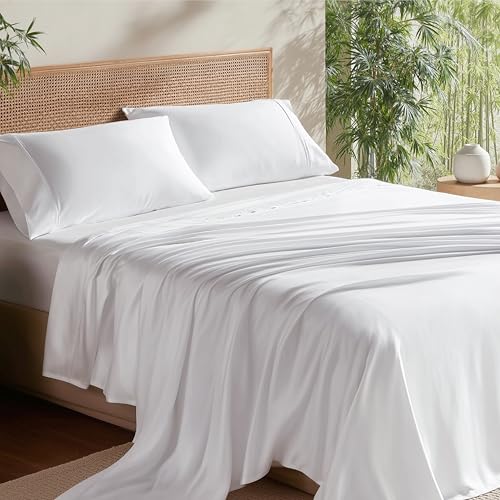
- Best Sheets Layer: Comfort Spaces Coolmax Moisture Wicking Cooling Sheet Set – purpose-built wicking fabric
- Best Light Top Layer: Bedsure Cooling Cotton Waffle Blanket, Queen – 50 percent cotton, 50 percent rayon derived from bamboo per the listing
- Best Cooling Blanket: Cozy Bliss Cooling Blanket for Hot Sleepers, Queen – Q-Max 0.45 cool-touch rating per the listing
- Best Mattress Layer: Elegear Cooling Mattress Pad with Arc-Chill 3.0 – PCM cooling topper for hot sleepers
- Best for Head and Neck: REST Evercool+ Cooling Pillowcases, Standard, 2 Pack – silver-infused yarn per the listing
- Best Duvet Cover: Bedsure PureWoven Cooling Duvet Cover, Queen – cotton blend with viscose derived from bamboo per the listing
Cooling bedding for night sweats works best as a layered system, not a single product: moisture-wicking sheets against your body, a breathable blanket or duvet cover on top, a cooling mattress pad underneath and cooling pillowcases for your head and neck. Our top pick for the single most useful layer is the Comfort Spaces Coolmax Moisture Wicking Cooling Sheet Set, with the Bedsure Cooling Cotton Waffle Blanket as the best top layer for people who dislike heavy covers.
Most night-sweat advice stops at sheets, but sweat comes from heat that has nowhere to go. That heat is trapped by the mattress below you, the blanket above you and the pillow under your head, as well as by the sheet in between. Changing only one layer helps a little; changing the right two or three layers can change how you wake up. This guide lays out six real, currently sold products that each fix a different layer, with measurements and swap rules so you do not spend more than you need to.
Night sweats can be caused by many things, including medications, hormonal changes, infections and sleep disorders. Bedding makes you more comfortable but does not treat the cause. If your night sweats are new, frequent or drenching, talk to a doctor. We did not personally use these products; this guide is based on manufacturer listings, fabric references and published buying guides, and any spec not stated in the short listing title is marked “not listed”.
Our top picks


As an Amazon Associate we earn from qualifying purchases at no extra cost to you.
Top Picks at a Glance
- Best Sheets Layer: Comfort Spaces Coolmax Moisture Wicking Cooling Sheet Set – purpose-built wicking fabric
- Best Light Top Layer: Bedsure Cooling Cotton Waffle Blanket, Queen – 50 percent cotton, 50 percent rayon derived from bamboo per the listing
- Best Cooling Blanket: Cozy Bliss Cooling Blanket for Hot Sleepers, Queen – Q-Max 0.45 cool-touch rating per the listing
- Best Mattress Layer: Elegear Cooling Mattress Pad with Arc-Chill 3.0 – PCM cooling topper for hot sleepers
- Best for Head and Neck: REST Evercool+ Cooling Pillowcases, Standard, 2 Pack – silver-infused yarn per the listing
- Best Duvet Cover: Bedsure PureWoven Cooling Duvet Cover, Queen – cotton blend with viscose derived from bamboo per the listing
Cooling Bedding Layers Comparison Table
| Product | Best for | Key specs | Watch for | Price tier |
|---|---|---|---|---|
| Comfort Spaces Coolmax Sheet Set (Queen) | Sheet layer | Coolmax wicking fabric, up to 16 in. mattress | Synthetic feel | Budget |
| Bedsure Cooling Cotton Waffle Blanket (Queen) | Light top layer | 50% cotton, 50% rayon derived from bamboo, waffle texture | Offers little warmth in winter | Budget to mid-range |
| Cozy Bliss Cooling Blanket (Queen) | Cool-touch top layer | Q-Max 0.45 per the listing, queen size | Cool-touch fades as it warms | Budget |
| Elegear Cooling Mattress Pad (King) | Mattress layer | Arc-Chill 3.0 PCM cooling cover per the listing | Cool-touch only; sizing is king in this listing | Mid-range |
| REST Evercool+ Cooling Pillowcases (Standard, 2 Pack) | Head and neck | Silver-infused yarn per the listing | Standard size only in this listing | Mid-range |
| Bedsure PureWoven Cooling Duvet Cover (Queen) | Top layer cover | Cotton blend with viscose from bamboo per the listing | Needs a separate insert | Mid-range |
Think of each row as a different layer of the same bed rather than competing products. A queen sleeper could reasonably combine the first, second and fifth rows for a complete upgrade without spending on the mattress pad. A person with a heat-trapping foam mattress should start with the pad instead.
Prices appear as tiers because retail prices move. In general, wicking sheets and cooling blankets are inexpensive; mattress pads and cooling pillowcase sets cost more; duvet covers fall in between.
1. Comfort Spaces Coolmax Moisture Wicking Cooling Sheet Set: Best sheet layer
- Fabric: Coolmax moisture-wicking polyester, per the listing
- Pocket: fits mattresses up to 16 in., per the listing
- Pieces: queen, 4 pieces
- Finish: wrinkle-free, per the listing
- Care: machine washable
Best for: People who wake with damp skin and want the layer against the body to move moisture away.
Skip if: You prefer natural fibers or want a luxurious feel.
The sheet is the layer closest to your skin, so it controls how the sweat feels. Coolmax fiber is engineered with channels that draw moisture to the surface where it evaporates, so the sheet feels drier than a standard cotton sheet when you are sweating. For night sweats, that is the most direct fix.
The 16 in. pocket fits most mattresses, including those with a thin pad. If you plan to add the Elegear mattress pad described below, check the combined height: a 12 in. mattress plus a 2 in. pad is 14 in., which is within the pocket.
Wash weekly without fabric softener. Because polyester can hold odor, use a full dose of detergent and an extra rinse.
Pros
- Targeted moisture management
- Fits up to 16 in. mattresses per the listing
- Low cost
- Easy care
Cons
- Synthetic hand
- Can hold odor if washed too gently
2. Bedsure Cooling Cotton Waffle Blanket, Queen: Best light top layer
- Fiber: 50% cotton and 50% rayon derived from bamboo, per the listing
- Size: queen, ivory in this listing
- Structure: waffle weave, lightweight
- Positioning: cooling blanket for hot sleepers
- Care: machine washable, gentle cycle recommended
Best for: Sleepers who want some cover without the weight of a comforter.
Skip if: You get cold easily in winter and want a thick blanket.
A waffle weave creates small pockets that increase surface area and let air circulate. The fabric feels light, soft and slightly textured, and it holds less heat than a quilted cover. Blending cotton with bamboo-derived rayon adds a smooth, drapey quality.
A blanket like this works year-round as a layering piece: alone in July, with a throw in November. For night sweaters, the benefit is that you can adjust coverage without trapping heat.
Wash on gentle and dry on low to keep the waffle texture.
Pros
- Lightweight and breathable
- Soft hand
- Versatile year-round
Cons
- Little warmth in winter
- Blend needs gentle care
3. Cozy Bliss Cooling Blanket for Hot Sleepers, Queen: Best cool-touch blanket
- Rating: Q-Max 0.45 cooling comfort, per the listing
- Size: queen
- Positioning: cold blanket for night sweats
- Fiber blend: not listed in the short title
- Care: machine washable
Best for: People who feel hot the moment they get under the covers.
Skip if: You are sensitive to the feel of synthetic fabric.
Q-Max is a laboratory measure of how quickly a fabric pulls heat from skin on first contact. A higher number means a cooler first touch. Cooling blankets are built to exploit that effect with smooth, tightly knit yarns. The cool feeling is real, but it fades as the fabric warms to your body temperature, so the benefit is greatest in the first few minutes.
That does not make a cooling blanket useless. For people who struggle to fall asleep because they feel hot, a cool-touch blanket can help. For people who wake at 3 a.m. because of sweating, breathability and moisture handling matter more, so pair it with wicking sheets.
Check the full listing for fiber content and care details, as the short title does not list them.
Pros
- Cool-touch feel
- Low cost
- Queen size
Cons
- Effect fades as the fabric warms
- Fiber blend not in the short title
4. Elegear Cooling Mattress Pad with Arc-Chill 3.0 (King): Best mattress layer
- Technology: Arc-Chill 3.0 PCM cooling, per the listing
- Size: king in this listing
- Positioning: cooling mattress topper for hot sleepers
- Pad thickness and pocket depth: not listed in the short title
- Care: check the label
Best for: People whose mattress, particularly memory foam, traps heat.
Skip if: Your mattress already sleeps cool.
Mattresses are the biggest heat trap in a bed. Dense foam retains warmth and reflects it back at you. A cooling pad with a phase-change material, or PCM, absorbs heat when it warms and releases it as it cools, which can take the edge off the early part of the night. The effect is limited by how much heat the pad can absorb.
This listing is for king size, and other sizes are typically available from the brand. A pad also changes the combined height of your bed, so recheck your sheet pocket depth.
A pad like this is not a cure for night sweats, but it can make a foam mattress more comfortable.
Pros
- Targets the biggest heat trap
- PCM cooling cover
- Fits under existing sheets
Cons
- Adds height to the bed
- Cooling effect has limits
5. REST Evercool+ Cooling Pillowcases for Hot Sleepers, Standard, 2 PCS: Best for head and neck sweat
- Technology: IONIC+ silver-infused yarn for hygiene, per the listing
- Size: standard, 2-piece set
- Positioning: cooling pillowcases for hot sleepers
- Fiber blend: not listed in the short title
- Care: machine washable
Best for: People who wake with a damp neck or hairline.
Skip if: You use queen or king pillows; this listing is for standard.
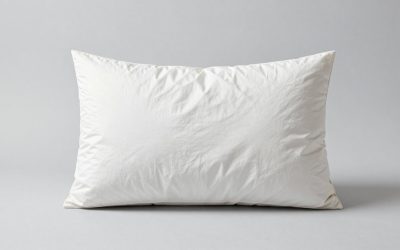
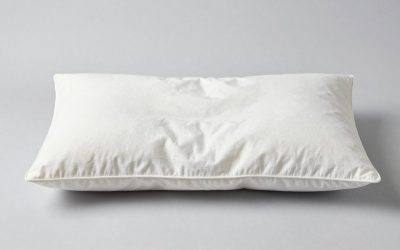
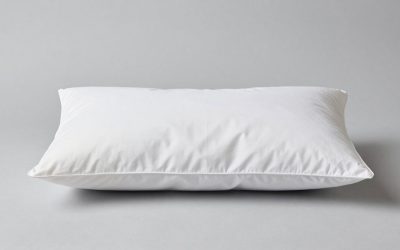
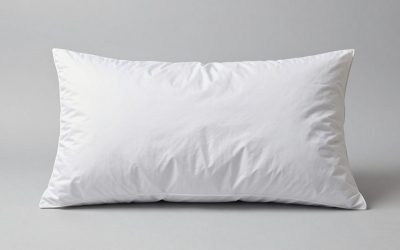
Your head is one of the sweatiest parts of your body when you sleep, and a pillowcase sits against it for hours. A cooling pillowcase is the cheapest way to reduce heat where it matters. Silver-infused yarn, per the listing, is aimed at odor control rather than temperature.
Swap pillowcases midweek and wash them often. If your pillow itself holds heat, a cooling pillow protector or a latex pillow will do more.
Check the listing for the size you need.
Pros
- Targets head and neck
- Odor control claim per the listing
- Easy to rotate
Cons
- Standard size only in this listing
- Fiber details limited
6. Bedsure PureWoven Cooling Duvet Cover, Queen: Best duvet cover
- Fiber: cotton blend with viscose derived from bamboo, per the listing
- Size: queen
- Positioning: ideal for hot sleepers
- Closure and ties: not listed in the short title
- Care: gentle wash
Best for: People who sleep under a duvet and want the cover to breathe.
Skip if: You use a comforter without a cover.
A duvet cover is the layer you can wash most easily, which is helpful for night sweaters. Choosing a breathable cover over a light insert avoids a warm, polyester surface close to your skin.
The cotton and bamboo-derived blend described in the listing aims at a soft, cool feel. Pair it with a light or summer-weight insert rather than a heavy winter one.
If you prefer a muslin texture, the Bedsure PureWoven Muslin Duvet Cover in the Also Consider list is a looser, airier alternative.
Pros
- Breathable top layer
- Washable
- Soft blend
Cons
- Needs an insert
- Gentle care needed
Also Consider
inhand Cooling Blanket Queen Size for Hot Sleepers
A low-cost cooling blanket, 90 in. by 90 in. per the listing, for summer nights.
Niagara Sleep Solution Ultra Soft Mattress Topper, Rayon Derived from Bamboo
A bamboo-derived topper with a 20 in. deep pocket per the listing, for people who want a softer surface.
Rifens Home Ultra-Chill Cooling Pillowcase Set of 2
A lower-cost pillowcase set for hot sleepers; fiber details are not listed in the short title.
Serta Power Chill Cooling Pillow Protectors, Standard/Queen (2 Pack)
Zippered protectors that sit under your pillowcase to block moisture from the pillow.
How We Chose
We selected one product for each layer of a bed: sheets, top cover, mattress, pillowcase and duvet cover. We compared manufacturer listings, fabric references and published buying guides. We did not personally use these products, and this guide is research-based.
Fiber and cooling-claim information came from fiber producers such as Invista and Lenzing and from Sleep Foundation guidance on sleep environment. We matched every product to a real, currently sold item and used price tiers rather than figures.
Buying Guide
Start With the Layer That Touches You
The sheet and pillowcase are in contact with your skin all night, so they matter most for moisture. Replace them first. Upgrading a mattress pad or blanket helps only if the sheet is already breathable.
Understand Cool-Touch vs Breathable
Cool-touch fabrics, including cooling blankets and PCM covers, feel cool at the start and fade. Breathable fabrics, including cotton waffle, percale and linen, let heat and moisture escape throughout the night. For sleep onset, cool-touch helps. For 3 a.m. sweating, breathable and wicking matter more.
Check Combined Bed Height
Add the height of your mattress, any pad or topper and any mattress protector. Sheets need a pocket at least 2 inches deeper than the total. A 12 in. mattress with a 2 in. pad needs a 16 in. pocket for comfort.
Match the Top Layer to the Season
A light blanket or waffle weave works in warm months. A duvet cover over a lightweight insert works in cooler ones. Avoid polyester comforters in any season if you sweat, as they trap heat and moisture.
Care and Replacement
Wash sheets weekly and pillowcases twice weekly in hot months. Blankets and duvet covers monthly. Skip fabric softener on cooling and wicking fabrics. Replace pillows every couple of years, since they accumulate sweat.
Mistakes When Building a Cooling Bed
The first mistake is buying only one product and expecting it to solve everything. The second is stacking too many layers, which defeats the purpose. The third is buying a waterproof mattress protector that traps heat. The fourth is using fabric softener on wicking fabrics. The fifth is ignoring the bedroom, since a room above 72 degrees F or with high humidity will overwhelm most bedding.
A last mistake is assuming bedding can replace medical advice. If night sweats persist, see a doctor.
Which Layer to Buy First, by Budget
If you can spend only a little, buy the wicking sheet set or the cooling pillowcases. They contact your body and cost the least. With a modest budget, add a waffle blanket and use it in place of your comforter. With a larger budget, add a cooling mattress pad if your mattress is dense foam, or a duvet cover with a lightweight insert.
A staged plan looks like this. Week one: sheets and pillowcases. Week three: swap the comforter for a waffle blanket. Week five: if you still wake hot, add the mattress pad. Track how you feel at each stage so you spend only on what works.
Room Setup That Supports Cooling Bedding
A bedroom around 60-67 degrees F is commonly recommended for sleep. A box fan or ceiling fan on low adds airflow across the bed. Keep blinds closed on sun-facing windows during the day. In a small bedroom of about 10 x 12 ft, a window air conditioner on a timer can pre-cool the room before bedtime and switch off after you fall asleep.
Humidity matters too. A hygrometer reading above 60 percent often makes bedding feel damp, and a dehumidifier or air conditioner can help. If your mattress is on the floor or against an exterior wall, lift it slightly to allow airflow underneath.
When Bedding Is Not Enough
If you wake drenched even in a cool room with breathable bedding, if your sweats come with fever, weight loss or other symptoms, or if they start suddenly, make an appointment with a doctor. Bring notes about your room temperature, sleepwear, medications and alcohol or caffeine use. That information helps a clinician work out whether the cause is environmental or medical.
Cooling Claims Decoded: Q-Max, PCM and Silver-Infused Yarn
Three terms show up repeatedly on cooling bedding. Q-Max is a laboratory measure of how fast a fabric draws heat from skin on first contact; higher values feel cooler at first touch, but the figure says nothing about how the fabric behaves after an hour. PCM, short for phase-change material, absorbs heat as it warms and releases it as it cools, which can soften the early part of the night but saturates once it has absorbed all it can. Silver-infused yarn is used mainly for odor control and does not itself lower temperature.
When a listing leans on one of these terms, ask what problem it solves. If you struggle to fall asleep because you feel hot, Q-Max and PCM are relevant. If you wake sweaty in the small hours, moisture wicking and breathability matter more. If your bedding smells stale, odor control may help, but regular washing helps more.
Marketing words such as arctic, ice, frost and chill describe a feeling rather than a specification. Look for fiber names, weave, and numbers such as pocket depth, size and Q-Max before paying for the label.
A Worked Example: Stacking a Queen Bed Without Overheating
Take a 12 in. memory foam queen mattress. Add a 2 in. cooling mattress pad and you have 14 in. A Coolmax sheet set with a 16 in. pocket fits with 2 in. to spare. Top with a waffle blanket or a lightweight duvet in a breathable cover, two cooling pillowcases and a 60-67 degree F room with a fan on low. That is five changes and none of them is a heavy comforter.
Now compare a poorly stacked bed: the same mattress, a waterproof plastic-backed protector, a 600 thread count sateen sheet set, a polyester comforter and a warm room. Each layer holds heat. The first stack is likely to feel noticeably better even though it costs about the same.
If you are in a hurry, remove rather than add. Take off the heaviest layer, swap polyester for cotton, and open a window before buying anything.
Seasonal Adjustments for Night Sweaters
Night sweats do not follow the calendar neatly. In summer, use wicking sheets, the waffle blanket alone and a fan. In spring and autumn, add a lightweight duvet cover over a thin insert so you can peel layers off in the night. In winter, keep the wicking sheets, because dry sheets matter even more when you are damp in a cold room, and add a wool or quilted layer that you can push to the foot of the bed.
The same logic applies to pajamas. Light cotton, bamboo-derived or merino sleepwear moves moisture better than polyester fleece. If you wake damp, keep a spare set next to the bed so you can change quickly and fall back asleep.
Frequently Asked Questions
What is the best cooling bedding for night sweats?
A wicking sheet set, breathable top layer and cooling pillowcases form the most practical combination. Add a cooling mattress pad if your mattress traps heat.
Do cooling blankets work for night sweats?
They help you feel cool at first touch, but the effect fades. Pair them with breathable or wicking sheets.
Are cooling mattress pads worth it?
They can help if your mattress is dense foam, but they have limits and add height.
Should I use a duvet or a blanket?
A lightweight blanket or a breathable duvet cover over a light insert is best. Avoid heavy polyester comforters.
How often should I wash bedding if I have night sweats?
Sheets weekly, pillowcases twice weekly in hot months, and blankets and duvet covers monthly.
Can bedding stop night sweats?
No. It can make you more comfortable, but it does not treat the cause. See a doctor if night sweats are frequent or severe.
Does a fan help?
Yes. Airflow speeds evaporation, which helps both wicking and breathable fabrics.
Which One Should You Buy?
If you buy one thing, buy the Comfort Spaces Coolmax sheet set. If you also want a lighter cover, add the Bedsure waffle blanket or the Cozy Bliss cooling blanket. If your mattress traps heat, consider the Elegear pad. If your head and neck sweat, add the REST Evercool+ pillowcases, and if you use a duvet, choose the Bedsure PureWoven cooling cover.
Build in stages, keep notes, and see a doctor if night sweats are persistent.
Sources
- Manufacturer listings for each product named above
- Invista Coolmax fiber information
- Lenzing fiber and moisture management pages
- Sleep Foundation guidance on bedroom environment
- Bedding buying guides from Wirecutter and Good Housekeeping
Last updated: October 2026