Key takeaways
- Temperature range: Match the rating to your honest low, not your average. A 41–68°F quilt suits shoulder-season patio use, while true cold-weather camping calls for a 4-season build with a lower comfort floor.
- Full length vs. three-quarter: Full-length quilts wrap shoulders to calves and eliminate cold spots at the feet. Three-quarter versions shave weight and pack size, but you will want a pad or extra sock for your legs.
- Fill and shell: Synthetic fills stay warm when damp and cost less; down compresses smaller and weighs less. Look for a water-resistant, ripstop shell either way, especially for anything living outdoors between uses.
- Suspension hardware: Adjustable shock cord, quality hooks, and cinchable end channels are what let you close the gap between quilt and hammock. Sloppy hardware is the number one cause of drafts, regardless of fill rating.
- Fit and finish: Confirm single or double compatibility with your hammock’s width, then consider colorway. Muted olive, charcoal, and black disappear into a landscape; brighter shells announce themselves from the kitchen window.
What's inside
Anyone who has drifted off in a hammock on a cool evening knows the specific betrayal of the underside. You can pile on the softest throw, zip into a proper sleeping bag, and still wake at 3 a.m. with a cold stripe across your shoulder blades. The culprit is compression: your body weight flattens whatever insulation sits beneath you, squeezing out the trapped air that actually does the warming. Top-side layers simply cannot solve a bottom-side problem, which is why so many hammock setups feel wonderful at dusk and miserable by midnight.
An underquilt fixes it by hanging outside the hammock, cradling the fabric rather than being crushed under it. That single design shift turns a fair-weather lounger into a genuine three-season sleep space, whether it is strung between oaks in the backyard, tucked onto a screened porch, or packed into a trail kit. Below, we look at six of the most credible options for 2026 across warmth ratings, packability, hardware quality, and yes, how they read visually when they become a semi-permanent fixture on your deck.
As an Amazon Associate we earn from qualifying purchases.


How to Choose a/an Underquilt For Hammock (2026)
- Temperature range: Match the rating to your honest low, not your average. A 41–68°F quilt suits shoulder-season patio use, while true cold-weather camping calls for a 4-season build with a lower comfort floor.
- Full length vs. three-quarter: Full-length quilts wrap shoulders to calves and eliminate cold spots at the feet. Three-quarter versions shave weight and pack size, but you will want a pad or extra sock for your legs.
- Fill and shell: Synthetic fills stay warm when damp and cost less; down compresses smaller and weighs less. Look for a water-resistant, ripstop shell either way, especially for anything living outdoors between uses.
- Suspension hardware: Adjustable shock cord, quality hooks, and cinchable end channels are what let you close the gap between quilt and hammock. Sloppy hardware is the number one cause of drafts, regardless of fill rating.
- Fit and finish: Confirm single or double compatibility with your hammock’s width, then consider colorway. Muted olive, charcoal, and black disappear into a landscape; brighter shells announce themselves from the kitchen window.
The Best Underquilt For Hammock (2026)s Reviewed
OneTigris Hideout Hammock Underquilt
The Hideout earns its 4-season claim through a generous baffled fill and a well-engineered suspension that pulls tight without pinching the hammock body. It is our pick for buyers who want one quilt to cover autumn camping trips and January patio reading alike.
Full-Length Stealth Black Hammock Underquilt
Rated for 41–68°F, this full-length quilt is calibrated exactly for the spring-through-fall window most hammock owners actually use. The matte black shell is the most architecturally quiet of the group, which matters if the hammock hangs within sight of a considered outdoor room.
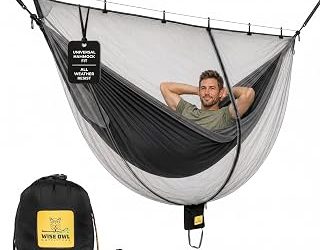
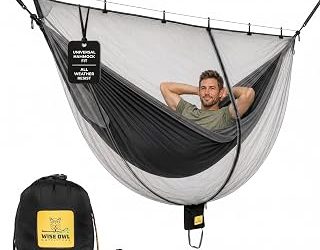
Wise Owl Outfitters Hammock Underquilt
Wise Owl builds for the beginner without cutting the essentials: water-resistant shell, respectable warmth, and a packable footprint that stows in a closet bin between weekends. The clearest entry point if you are testing whether hammock sleeping suits you at all.
AYAMAYA Single & Double Hammock Underquilt
Sized to work under both single and double hammocks, this full-length 4-season quilt is the most versatile option here for households with more than one setup. The winter-weight insulation runs warmer than most, so summer users may find it excessive.
Insulated Hammock Underquilt (Army Green)
Simple, fast to rig, and forgiving of imprecise adjustment, this one prioritizes an uncomplicated setup over specialized performance. The army green finish weathers gracefully and pairs naturally with cedar, teak, and powder-coated steel.
Frequently Asked Questions
Can I use a sleeping bag instead of an underquilt?
Not effectively. Your body weight compresses the bag’s underside insulation to near zero loft, so the warmth you paid for stops working exactly where you need it. A sleeping bag or top quilt above plus an underquilt below is the working combination.
How tight should an underquilt hang?
Snug enough to touch the hammock fabric along its full length, loose enough that it is not compressed. Adjust the shock cord until you can see no daylight gap at the shoulders and feet, then leave it alone.
Do underquilts work on a covered porch or patio?
Yes, and this is where many buyers get the most use. Sheltered from wind and precipitation, a mid-range quilt extends a porch hammock’s comfortable season by a couple of months on each end.
Can I leave it hanging outside?
Short-term, a water-resistant shell handles dew and light rain. For longevity, bring it in or use a weatherproof storage box, and always store it uncompressed to protect loft.
Final Thoughts
For most buyers, the OneTigris Hideout offers the widest usable temperature range and the most confident hardware, making it the safest single purchase. Choose the Wise Owl Outfitters quilt if you want a low-commitment introduction, or the AYAMAYA Single & Double if you need genuine cold-weather warmth across two hammock sizes.