Key takeaways
- Load capacity, read skeptically: Headline numbers like 800 or 890 lbs describe the frame under evenly distributed static weight, not a single rod. Check the per-rod rating and the wall thickness of the steel tubing, which matters more than diameter alone.
- Hang-to-fold ratio: Audit your actual wardrobe before you measure the wall. Someone with tailoring and outerwear needs long-hang height; someone living in knitwear and denim needs shelf depth and drawers. Buying the wrong ratio is the most common regret.
- Expandability over exact fit: Telescoping rods and modular towers let a system grow with a move or a seasonal shift. A closed-format unit that fits your current alcove perfectly becomes dead weight in the next apartment.
- Finish and sightlines: Exposed black steel reads industrial and disappears against dark walls; white laminate towers read architectural and can pass as built-in millwork. Covered units hide clutter but add bulk, so keep them off the primary sightline from the door.
- Assembly reality: Snap-fit steel systems typically go up in under an hour with no tools. Panel-based wood towers demand a level floor, a second pair of hands, and an afternoon. Plan accordingly.
What's inside
Closets rarely fail all at once. They fail gradually: a rod that bows under winter coats, a shelf stack that swallows sweaters you never see again, a rental bedroom with one shallow reach-in and nowhere to put the rest of your life. By the time most people start shopping, the problem isn’t really storage capacity. It’s that the room’s architecture and the wardrobe inside it were never designed to speak to each other.
This guide looks at freestanding and modular wardrobe systems through a design lens rather than a purely utilitarian one: how much visual weight a unit adds to a room, whether it can be reconfigured when your needs shift, and how honest each manufacturer is about load capacity. We’ve focused on systems that install without permanent modification, since that’s where the most interesting engineering is happening in 2026, and we’ve flagged which ones deserve to be seen versus which ones belong behind a fabric cover.
As an Amazon Associate we earn from qualifying purchases.


How to Choose a/an Wardrobe Solution (2026)
- Load capacity, read skeptically: Headline numbers like 800 or 890 lbs describe the frame under evenly distributed static weight, not a single rod. Check the per-rod rating and the wall thickness of the steel tubing, which matters more than diameter alone.
- Hang-to-fold ratio: Audit your actual wardrobe before you measure the wall. Someone with tailoring and outerwear needs long-hang height; someone living in knitwear and denim needs shelf depth and drawers. Buying the wrong ratio is the most common regret.
- Expandability over exact fit: Telescoping rods and modular towers let a system grow with a move or a seasonal shift. A closed-format unit that fits your current alcove perfectly becomes dead weight in the next apartment.
- Finish and sightlines: Exposed black steel reads industrial and disappears against dark walls; white laminate towers read architectural and can pass as built-in millwork. Covered units hide clutter but add bulk, so keep them off the primary sightline from the door.
- Assembly reality: Snap-fit steel systems typically go up in under an hour with no tools. Panel-based wood towers demand a level floor, a second pair of hands, and an afternoon. Plan accordingly.
The Best Wardrobe Solution (2026)s Reviewed
VIPEK V5 Heavy Duty Modular Closet System
The V5 is the reference point for open-format storage: four hanging rods, eight shelves with two adjustable positions, and a frame engineered to an 890 lb distributed load. Its real advantage is the accessory ecosystem, which means the layout you build on day one isn’t the layout you’re stuck with.
Custom Modular Wood Closet System with 6 Drawers
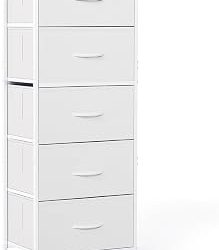
Sold as two towers that span 5 to 14 feet with eight expandable rods and adjustable shelving, this is the only pick here that convincingly imitates a built-in. The six drawers solve the folded-goods problem that open steel racks never quite address, and the white finish keeps a walk-in feeling bright rather than caged.
E10 Freestanding Rack with Stretchable Rod
A telescoping 73 to 97 inch span makes the E10 unusually forgiving in awkward rooms, and at 15 inches deep it hugs a wall without dominating the floor plan. Best suited to a dedicated dressing corner where hanging capacity matters more than concealment.
LOKEME Portable Closet
Nineteen millimeter steel tubing, three rods, six shelves, and side pockets add up to a genuinely rigid unit at an accessible price point. The pockets are more useful than they sound for belts, scarves, and the small things that clutter shelf surfaces.
VTRIN Portable Wardrobe with Cover
At 67 inches wide with four rods and four shelves, the VTRIN offers the most concealed capacity of the group, which makes it the right answer for guest rooms and shared spaces. Treat the cover as a design element and choose a placement where its soft edges read intentional.
Frequently Asked Questions
Are freestanding closets stable enough for daily use?
Steel-frame systems from established makers are, provided you assemble every cross-brace and load heavy items low. Instability almost always traces back to skipped hardware or an uneven floor rather than the design itself.
Can these work in a rental?
Yes, and that’s their primary appeal. Every unit here is freestanding with no wall anchoring required, though anti-tip straps are worth adding in homes with children or pets.
Open shelving or a covered unit?
Open shelving forces tidiness and looks lighter in the room. Covered units forgive mess and protect against dust, which suits seasonal storage and spare rooms.
How much clearance should I leave?
Allow at least 24 inches of standing room in front of hanging sections, plus a few inches of side clearance for drawer pulls and cover zippers.
Final Thoughts
For most rooms, the VIPEK V5 is the smartest first purchase: heavy-duty, endlessly reconfigurable, and honest about what it is. Choose the six-drawer modular wood closet system if you want a walk-in that reads architectural, or the VTRIN if concealment matters more than display. The HOMIDEC four-tier wardrobe remains a solid entry point when budget leads the decision.