Key takeaways
- The Shark StainStriker PX202 is the most approachable entry point, with four tools covering broad stains, narrow spots, crevices, and pet messes.
- The Uwant 18Kpa Upholstery Cleaner and its 2.4-liter sibling bring strong recovery suction and a three-brush-head set, useful if you’re moving between sofa, stairs, and car interior.
- The WECLEAN C1 ships with its own solution and suits smaller apartments where storage is tight.
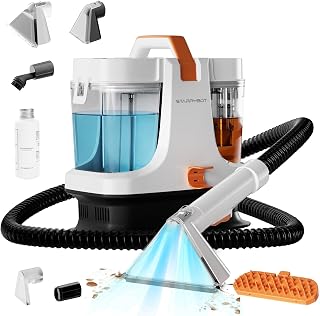
- The Starrybot 18Kpa extractor targets pet households specifically.
- The 450W handheld shampooer and scrubber combines agitation with extraction for heavily soiled sectionals.
What's inside
A sofa absorbs more of daily life than any other piece in a home. Skin oils, hair product, spilled oat milk, dog paws after a wet walk, the slow settling of airborne dust that turns a warm oatmeal linen into something closer to putty. Most of that soil sits in the top few millimeters of fiber, which is why sofas rarely look dirty so much as tired. Restoring them is less about scrubbing harder and more about lifting soil out instead of pushing it deeper.
This guide walks through the method that works across most upholstery: reading the fabric tag, dry-soil removal before any liquid touches the cushion, spot treatment, extraction, and drying fast enough to avoid odor. It also covers where a portable extractor earns its storage space and where a microfiber cloth and patience do the job just as well. A few machines we like are below, then the technique.
As an Amazon Associate we earn from qualifying purchases.



Start With The Cleaning Code, Not The Product
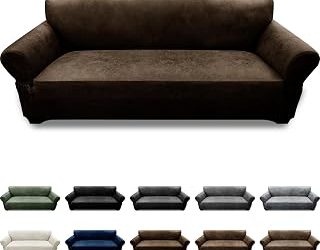
Flip up a cushion and look for a tag with a single letter. W means water-based cleaners are safe. S means solvent only — water will leave rings or shrink the fibers. WS accepts either, and X means vacuum only, no liquid at all, which is common on delicate weaves and some boucles. Performance fabrics like Crypton and Sunbrella are almost always W and forgiving of repeated wet cleaning. If the tag is missing, test any product on the back of a skirt or the underside of a cushion, let it dry fully, and check for color shift before you commit. This ten-minute step prevents the majority of DIY upholstery disasters.
Dry Soil First, Always
Water turns loose grit into mud. Vacuum the entire piece with an upholstery tool, working seams and the crevice where the deck meets the back — that channel collects the most debris. Use a crevice tool along piping. For pet hair that resists suction, a rubber pet brush or a slightly dampened rubber glove drags it into clumps you can lift by hand. Unzip cushion covers if they’re removable and vacuum the foam and the inside of the cover. Only once the surface is genuinely dry-clean should any moisture enter the picture.
Spot Treat Before You Extract
Treat visible stains individually rather than hoping a full-surface pass will handle them. Blot, never rub — rubbing distorts the weave and spreads the stain into a halo. For water-safe fabrics, a mild solution of dish soap in warm water applied with a microfiber cloth handles most food and beverage marks. Protein stains like milk, blood, or pet accidents need an enzyme cleaner and dwell time, usually five to ten minutes, to break down the organic material. Grease responds to a solvent-based spotter. Work from the outside of the stain inward so you don’t enlarge its footprint.
Where A Portable Extractor Changes The Outcome
Cloths lift surface soil. Extractors pull dissolved soil and moisture back out of the foam, which is the difference between a sofa that looks better for a week and one that’s actually clean. The category has matured considerably, and suction is the spec that matters most — a machine that sprays well but recovers poorly leaves your cushions damp and re-soiling fast.
- The Shark StainStriker PX202 is the most approachable entry point, with four tools covering broad stains, narrow spots, crevices, and pet messes.
- The Uwant 18Kpa Upholstery Cleaner and its 2.4-liter sibling bring strong recovery suction and a three-brush-head set, useful if you’re moving between sofa, stairs, and car interior.
- The WECLEAN C1 ships with its own solution and suits smaller apartments where storage is tight.
- The Starrybot 18Kpa extractor targets pet households specifically.
- The 450W handheld shampooer and scrubber combines agitation with extraction for heavily soiled sectionals.
Dry Fast Or Don’t Bother
Lingering moisture in foam is what produces that sour, musty smell people blame on the cleaner. After extraction, pass the wand over each section two or three more times with the spray trigger released to pull out residual water. Stand cushions on edge for airflow on all sides, open windows, and run a box fan or dehumidifier at the piece. Aim for full dryness within four to six hours. Don’t replace covers or sit on the sofa until the foam feels dry to a pressed palm, not just the surface fabric.
Tips
- Use less solution than the bottle suggests. Excess detergent leaves residue that attracts soil and makes the sofa dirty faster.
- Rinse-pass with plain warm water after cleaning to remove any leftover surfactant.
- Rotate and flip cushions monthly so wear and soil distribute evenly rather than concentrating in one seat.
- Apply a fabric protector to W-code upholstery after deep cleaning — it buys you far more time on the next spill.
Frequently Asked Questions
How often should a sofa be deep cleaned?
Once or twice a year for typical use. Households with pets, small children, or a sofa that doubles as a dining spot benefit from every three to four months, with weekly vacuuming in between.
Can I use a carpet cleaner on upholstery?
Only with a dedicated upholstery attachment and reduced solution flow. Full-size carpet machines over-wet cushion foam, which is the main cause of odor and water rings.
Will baking soda and vinegar clean my couch?
Baking soda helps with light odor as a dry deodorizer you vacuum away. Vinegar is weak on real soil and can dull some dyes. Neither substitutes for extraction.
What about velvet and boucle?
Check the code first; many are S or X. When water is permitted, use minimal moisture, blot rather than scrub, and brush the nap back in one direction while damp.
Conclusion
The best method is unglamorous and repeatable: identify the fabric code, remove dry soil thoroughly, treat stains individually with the right chemistry, extract with genuine suction, and dry aggressively. A portable extractor makes that sequence faster and the results longer-lasting, but the sequence itself is what saves the sofa.