Key takeaways
- Keep a separate cleaning brush set in your dispenser caddy so you never have to hunt for tools.
- Always unplug before cleaning — it sounds obvious, yet the number-one cause of small dispenser mishaps is forgetting.
- Run two to three rinse cycles after any chemical cleaning agent to ensure no residue remains in the lines.
- Wipe spigots dry after each use to slow mineral creep and reduce how often you deep-clean.
What's inside
A water dispenser quietly earns its place in a modern kitchen — sleek, functional, and easy to overlook until it isn’t. When mineral crust starts ringing the spout or your morning glass tastes faintly of plastic, the charm fades fast. Regular cleaning keeps your dispenser performing well, tasting right, and looking like the design-forward appliance it was meant to be.
In this guide you’ll learn exactly how to clean every style of water dispenser, from countertop pitchers to bottom-load coolers. We’ll walk through the tools, the step-by-step process, descaling for hard-water buildup, and maintenance habits that make the job painless. Each recommendation below is tested against real-world kitchen conditions so you can pick what works and skip the rest.
As an Amazon Associate we earn from qualifying purchases.




Why Cleaning Matters More Than You Think
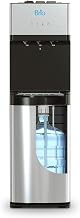
A dispenser that sits for weeks without attention becomes a breeding ground for biofilm — that slippery film you can sometimes feel inside the reservoir. Beyond taste and odor, mineral deposits (limescale) clog internal tubing and force the cooling compressor to work harder, shortening the unit’s lifespan. Most manufacturers recommend a full cleaning every four to six weeks, but households with hard water should move that schedule up to every three. Skipping maintenance doesn’t just affect flavor; it can void warranty coverage on premium units like the Waterdrop WFD-22L or the Brio 520 cooler.
What You’ll Need: The Right Cleaning Gear
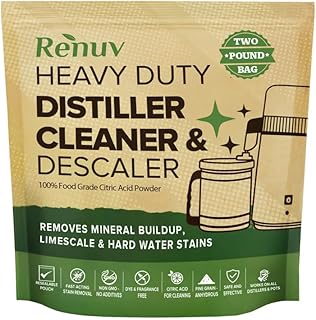
Having a dedicated cleaning kit eliminates guesswork and keeps harsh chemicals away from your drinking water. We recommend the Water Cooler Cleaning Kit (5.07 Fl Oz), which includes a no-rinse sanitizer designed for both top-loading and bottom-loading models. For scrubbing narrow spouts, bottle interiors, and straw tubes, the Holikme Bottle Brush Tube Cleaning Set is a practical addition — its long handles reach areas a sponge simply can’t. If you prefer a natural approach, Renuv Citric Acid (2 LB bulk) works as a food-safe descaler for distillers, kettles, and dispensers alike. Keep these three items together in a small caddy near your unit so there’s no barrier to actually doing the job.
Step-by-Step: Cleaning a Water Dispenser
Unplug the unit and remove any remaining water bottle. Empty the internal reservoir through the hot and cold spigots. Squirt the recommended amount of cleaning solution into the reservoir, fill with warm water, and let it soak for 15–20 minutes. Use a brush from the Holikme set to scrub the spout openings and the inside walls — pay attention to corners where algae loves to hide. Drain the cleaning solution, then flush the reservoir two to three times with fresh water. For units like the Brio 520, also replace or reseat the two-stage filter per the manual’s instructions before refilling. Wipe down exterior surfaces with a damp microfiber cloth. Plug the unit back in, refill, and let it run for five minutes before drinking.
Descaling Hard-Water Buildup
Limescale shows up as white, chalky deposits around the spigot and inside the reservoir. If your household water hardness exceeds 120 PPM, descaling every month is smart. Dissolve two tablespoons of Renuv Citric Acid in a gallon of warm water, pour it into the reservoir, and let it sit for an hour. Run the solution through both hot and cold taps partway, then let it rest another 30 minutes. Drain completely and rinse twice. This process dissolves calcium and magnesium deposits without corroding seals — a key advantage over vinegar, which some manufacturers advise against for rubber gasket–heavy units.
Filter Replacement: The Detail That Changes Everything
A clean dispenser with a spent filter is still dispensing mediocre water. The Waterdrop WFD-22L filter lasts roughly 200 gallons before its chlorine and PFOA/PFOS reduction drops below spec. Brita’s SmartLight indicator on the Metro pitcher is a handy visual reminder — it tracks usage and lets you know when the filter is due. Mark your calendar, set a phone reminder, or simply note the date on a strip of painter’s tape stuck to the unit. A fresh filter paired with a clean reservoir delivers water that genuinely tastes better than most bottled options.
Tips
- Keep a separate cleaning brush set in your dispenser caddy so you never have to hunt for tools.
- Always unplug before cleaning — it sounds obvious, yet the number-one cause of small dispenser mishaps is forgetting.
- Run two to three rinse cycles after any chemical cleaning agent to ensure no residue remains in the lines.
- Wipe spigots dry after each use to slow mineral creep and reduce how often you deep-clean.
Frequently Asked Questions
Can I use bleach to clean my water dispenser?
A very diluted bleach solution (one teaspoon per gallon of water) can sanitize the reservoir, but it must be rinsed thoroughly afterward. Citric acid or a commercial dispenser cleaner is generally safer and leaves no aftertaste. Always check your manufacturer’s guidelines first.
How often should I clean my Waterdrop or Brita pitcher?
Rinse the reservoir and lid weekly with warm water. Perform a full deep clean with a cleaning agent every three to four weeks, and replace the filter on the schedule noted above. This keeps both the WFD-22L and the Brita Metro in peak condition.
Do bottom-load coolers need special attention?
Yes. Units like the Brio 520 have an internal pump and tubing that top-load models lack. Pay extra attention to the siphon tube that connects to the bottle — it can develop biofilm if not periodically flushed with sanitizer. The Water Cooler Cleaning Kit is formulated to reach these internal pathways.
Is descaling necessary if I use filtered water?
Most pitcher-style filters reduce chlorine and some contaminants but do not remove dissolved minerals like calcium. If you notice white film or reduced flow, descaling is still necessary regardless of filtration type.
Conclusion
A few minutes of routine care keeps your water dispenser looking sharp and tasting clean — the kind of small habit that protects both your investment and your daily hydration. Grab the right tools, set a recurring reminder, and you’ll wonder why you ever tolerated chalky buildup in the first place.