Key takeaways
- Floor compatibility first: Steam belongs on sealed surfaces only. Sealed hardwood, tile, stone, and most LVP are fine; unsealed wood, waxed floors, and laminate with open seams are not. Check your finish before you check the feature list.
- Steam control over raw power: Variable or multi-mode steam matters more than a high temperature spec. You want a light pass for engineered wood and a heavy blast for grout, and a single fixed setting forces you to compromise on one of them.
- Weight and swivel geometry: Anything over roughly seven pounds gets tiring on a full floor plan. A true swivel head is what lets you trace baseboards, chair legs, and kitchen islands without lifting the unit.
- Pads you’ll actually maintain: Double-sided, machine-washable microfibre effectively doubles your coverage per load. Confirm replacements are cheap and easy to find, because pad availability determines the real lifespan of the mop.
- Detachable handheld versus dedicated canister: If you want one tool for floors plus upholstery, grills, and grout, choose a detachable or canister system with a real accessory kit. If you only ever clean floors, skip the attachments and buy the lighter machine.
What's inside
Hard floors are the quiet workhorses of a well-styled home, and they’re also the first surface to betray it. White oak planks pick up a haze of footprint oils. Matte porcelain tile holds grout lines that go grey a shade at a time. Luxury vinyl looks flawless in the showroom and then develops that faint tackiness underfoot that no amount of spray-and-wipe seems to lift. The frustration isn’t dirt so much as residue: most floor cleaners leave a film behind, and that film is what dulls a room’s light.
Steam sidesteps the problem entirely. Heat and water vapour loosen grime and sanitize sealed surfaces without adding anything that needs rinsing off, which is why steam mops have quietly become standard equipment in design-forward households with pets, kids, or a lot of natural light to protect. This guide breaks down what actually matters when you’re shopping in 2026, then reviews the models worth your counter space, from featherweight daily mops to full canister systems that handle tile, upholstery, and car interiors on the same tank.
As an Amazon Associate we earn from qualifying purchases.


How to Choose a/an Steam Mop Best (2026)
- Floor compatibility first: Steam belongs on sealed surfaces only. Sealed hardwood, tile, stone, and most LVP are fine; unsealed wood, waxed floors, and laminate with open seams are not. Check your finish before you check the feature list.
- Steam control over raw power: Variable or multi-mode steam matters more than a high temperature spec. You want a light pass for engineered wood and a heavy blast for grout, and a single fixed setting forces you to compromise on one of them.
- Weight and swivel geometry: Anything over roughly seven pounds gets tiring on a full floor plan. A true swivel head is what lets you trace baseboards, chair legs, and kitchen islands without lifting the unit.
- Pads you’ll actually maintain: Double-sided, machine-washable microfibre effectively doubles your coverage per load. Confirm replacements are cheap and easy to find, because pad availability determines the real lifespan of the mop.
- Detachable handheld versus dedicated canister: If you want one tool for floors plus upholstery, grills, and grout, choose a detachable or canister system with a real accessory kit. If you only ever clean floors, skip the attachments and buy the lighter machine.
The Best Steam Mop Best (2026)s Reviewed
Shark Steam & Scrub S8201
The Steam Blaster nozzle fires vapour ahead of the head, so it breaks down set-in spots before the pad ever reaches them, and the three steam modes let you drop to a gentle pass for wood. LED headlights sound like a gimmick until you use them under a dining table and see what your overheads have been hiding.
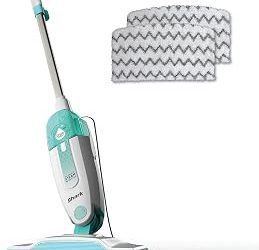
Shark Steam Pocket Mop S3501
This is the model I’d point most people toward for everyday upkeep: light enough to grab without a mental negotiation, and the two double-sided washable pads mean you can flip mid-job instead of stopping. It sanitizes sealed hard floors on water alone, which is the whole point.
BISSELL PowerFresh 1940A
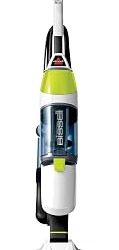
A 12-inch cleaning path and variable steam make quick work of open kitchens and hallways, and the flip-down scrubber handles dried spills without a separate tool. It’s the most balanced pick here for larger tile and hardwood footprints.
McCulloch MC1385 Canister Steam Cleaner
Less a mop than a whole-home steam system, with 23 accessories covering grout, upholstery, sealed floors, and car detailing. The canister format means more setup and more storage, but nothing else on this list touches its range or run time.
10-in-1 Detachable Steam Mop
Ten seconds to heat, a 350ml tank, and a handheld unit that pops off for grills, cooktops, and door frames, all at 248°F with two-level control. The compact tank means more refills on big jobs, though it’s a fair trade for the versatility and the small footprint.
Frequently Asked Questions
Is a steam mop safe on hardwood floors?
On properly sealed hardwood, yes, provided you use a low steam setting and keep the head moving. Never let a steaming mop sit in one spot, and avoid steam entirely on unsealed, waxed, or oil-finished wood where moisture can penetrate the grain.
Do I need to add cleaning solution?
No, and most manufacturers void the warranty if you do. Steam mops are designed for plain water; detergents can clog the boiler and leave the exact residue you bought the machine to avoid. Distilled water is worth it in hard-water areas.
Will steam actually sanitize my floors?
Steam at proper temperature kills the majority of common household bacteria on sealed hard surfaces without chemicals, which is a genuine advantage in homes with crawling babies or pets. Sanitizing isn’t sterilizing, so it complements rather than replaces routine cleaning.
How often should I steam?
Weekly in high-traffic zones like entryways and kitchens, every two to three weeks elsewhere. Dry sweep or vacuum first every time, since steaming over loose grit just drags it across your finish.
Final Thoughts
For most homes, the Shark Steam Pocket Mop S3501 is the one that gets used, because it’s light and simple enough to become a habit. Step up to the Shark Steam & Scrub S8201 if you’re fighting grout lines and set-in spots, or go all the way to the McCulloch MC1385 if you want one steam system covering floors, upholstery, and everything in between.