Key takeaways
- Magnet test: Wrought iron, cast iron, and steel all attract a magnet. Cast aluminum reproductions — which mimic scrollwork convincingly — do not.
- Weight test: Lift a chair. Solid forged stock runs 18–30 lb per side chair; aluminum lookalikes run 8–14 lb; hollow tubular steel sits in between at 10–16 lb.
- Construction test: Look inside the scrolls. Hand-forged work shows slight asymmetry, hammer texture, and tapered ends. Jig-bent reproductions are perfectly uniform.
The fastest way to authenticate a vintage wrought iron dining table and chairs is to flip a chair over: genuine period pieces use solid bar stock (a side chair typically weighs 18–30 lb), show hand-forged scrolls, rivets, or irregular forge and braze welds rather than uniform machine beads, and often carry a maker stamp on the seat frame or table apron. Once authenticity is established, rust grade drives the restoration decision — surface rust is a weekend DIY job costing roughly $50–$120 in materials, while pitting deeper than about 1 mm or cracked welds push the set toward professional blasting and powder coating.
Our top picks



As an Amazon Associate we earn from qualifying purchases at no extra cost to you. Ratings are shown as listed on Amazon.
First, Confirm It’s Actually Wrought Iron
True wrought iron — fibrous puddled iron — stopped commercial production around the 1960s, so most furniture sold as “wrought iron” is either forged mild steel (functionally equivalent and still desirable) or a reproduction in cast aluminum or hollow steel tube. Three quick tests separate them:
- Magnet test: Wrought iron, cast iron, and steel all attract a magnet. Cast aluminum reproductions — which mimic scrollwork convincingly — do not.
- Weight test: Lift a chair. Solid forged stock runs 18–30 lb per side chair; aluminum lookalikes run 8–14 lb; hollow tubular steel sits in between at 10–16 lb.
- Construction test: Look inside the scrolls. Hand-forged work shows slight asymmetry, hammer texture, and tapered ends. Jig-bent reproductions are perfectly uniform.
If you’re looking at a vintage cast iron table and chairs — ornate Victorian-style garden sets in the Coalbrookdale tradition — the rules change. Cast iron is poured into molds, so expect casting seam lines, identical pattern repeats, and bolted rather than welded joints. It’s heavier than wrought iron but brittle: a dropped leg cracks instead of bending, which is why cast iron chairs that survive intact command premium prices.
| Material | Typical side-chair weight | Construction clues | How it fails | Common era |
|---|---|---|---|---|
| True wrought iron / forged steel | 18–30 lb | Hammer marks, forge welds, rivets, asymmetric scrolls | Slow fibrous rust; bends before breaking | 1930s–1960s |
| Cast iron | 25–40 lb | Mold seam lines, bolted joints, identical repeats | Cracks at thin sections; snapped legs | Victorian–1930s |
| Cast aluminum | 8–14 lb | No magnetic pull, molded scrolls, hollow ring | White oxidation rather than rust | 1970s–present |
| Tubular steel | 10–16 lb | Hollow tube, uniform MIG weld beads | Rust-through at weld seams and leg bottoms | 1980s–present |
Reading Maker Stamps and Weld Marks
Stamps hide in predictable places: the underside of the chair’s seat ring, the back rail of the frame, and the inner table apron. Woodard frequently stamped “WOODARD” into the frame, and its named patterns — Chantilly Rose, Orleans, and the Russell Woodard Sculptura mesh line — are documented and easy to cross-reference. Salterini pieces are often unmarked but identifiable by signature motifs like ribbon swirls, leaf sprays, and the hoop-backed Radar chairs designed by Maurizio Tempestini. Other names worth knowing: Lyon-Shaw (the Windflower leaf pattern), Florentine Craftsmen, Meadowcraft, and O.W. Lee. Be aware that many Molla pieces are cast aluminum rather than iron — run the magnet before paying wrought iron prices.
On welds: pre-1970s construction uses forge welds, brazed joints, and rivets with irregular, slightly lumpy beads and visible hammer scale nearby. A uniform rippled bead along every joint indicates modern MIG welding — either a reproduction or a repaired piece, and either affects value.
Grading Rust Before You Buy
Check the spots where rust hides first: leg bottoms inside the glide cups (trapped water rots them from inside), armrest undersides, and every junction where a stretcher meets a leg. Press a thumb against suspect areas — sound metal won’t flex. Then grade what you find:
| Grade | What you see | Structural risk | Right fix | Typical cost |
|---|---|---|---|---|
| 1 — Surface bloom | Orange film that wipes off | None | DIY: clean, prime, paint | $40–$100 materials |
| 2 — Scale and flaking | Loose flakes, sound metal beneath | Low | DIY: wire wheel, converter, enamel | $60–$120 materials |
| 3 — Pitting | Pits roughly 1 mm+, textured thinning metal | Moderate | Pro media blasting + powder coat | $175–$500 per piece |
| 4 — Perforation / cracked welds | Holes, thinned legs, joint movement | High | Weld repair, then blast and coat | $50–$150 per joint plus coating |
Two cautions: paint applied before 1978 may contain lead, so test with a swab kit before sanding — a blasting shop handles containment safely. And a Grade 4 set is only worth restoring if it’s a named maker; welding an unmarked set can cost more than its resale value.
What a Set Is Worth in 2026
General market ranges for a table plus four to six chairs:
- Unmarked estate sets with active rust: $250–$700
- Clean or refinished unmarked sets: $600–$1,200
- Named-maker sets (Woodard patterns, Lyon-Shaw): $1,200–$3,000
- Documented Salterini, Tempestini, or Russell Woodard sets: $2,000–$4,500+
Condition details move prices fast: a matching set of six chairs outsells a mixed set of four; original glass tops matter because a new 48-inch round top runs $150–$300; and a wrong-color repaint on a documented maker piece can cut collector value, so photograph original finishes before any work.
DIY Refinish or Professional Restoration?
Match the route to your situation rather than the rust alone:
| Your situation | Best route | Why |
|---|---|---|
| Grade 1–2 rust, sound welds, budget under $150 | DIY wire wheel + rust converter + enamel | Materials for a 5-piece set run $50–$120 |
| Grade 3 pitting or many old paint layers | Pro blasting + powder coat | Hand tools can’t reach inside scrolls; powder coat outlasts brush enamel |
| Cracked welds, bent frame, broken cast iron | Pro repair first, then coat | Cast iron needs brazing or TIG — epoxy fails on stressed joints |
| Named-maker set intended for resale | Conserve or commission pro work | Documented original finish preserves collector value |
| Daily outdoor use or coastal humidity | Powder coat + new glides | Baked finish resists chipping far better than aerosol paint |
The DIY Refinish, Step by Step
- Test for lead paint, then strip loose rust and paint with a wire cup brush on a drill or angle grinder.
- Wash with a degreaser or TSP solution, rinse, and dry for 24 hours.
- Brush phosphoric-acid rust converter into remaining pits.
- Prime with a rust-inhibiting epoxy or zinc-rich primer — two light coats.
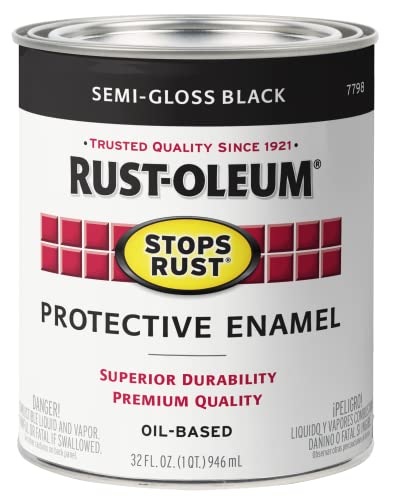
- Topcoat with oil-based enamel or direct-to-metal acrylic; satin black is the period-typical look.
- Replace nylon or rubber foot glides — failed glides are the main reason leg bottoms rust first, and a set costs $10–$20.
Expect 2–3 hours of hands-on work per chair plus curing — a full set is a realistic weekend. Know the trade-off: brushed enamel typically lasts 3–5 years outdoors, while a professional powder coat runs $800–$1,800 for a five-piece set but holds up a decade or more.
Moving and Living With It
A wrought iron dining table and chairs set is heavy: a 48-inch round table weighs 60–120 lb, and a full set runs 150–250 lb — plan a two-person move and remove glass tops first. Chairs around 20–22 inches wide pass a standard 30-inch doorway. Seat heights of 17–18 inches pair correctly with standard 28–30-inch tables, and sound chairs safely support roughly 250–350 lb each. What wears first, in order: foot glides, paint at weld joints and armrest tops, then mesh seats on Sculptura-style chairs. An annual paste-wax coat, fresh glides each spring, and winter storage or covers keep rust from coming back.