Key takeaways
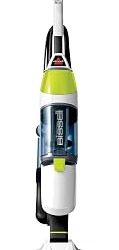
- Adjustable steam output. Non-negotiable. A mop locked at maximum output is a mop you cannot dial back for delicate planks. The BISSELL PowerFresh 1940A offers variable steam control across three levels, which is why it remains a default recommendation for mixed hard-floor homes.
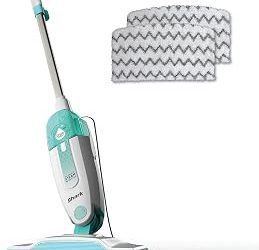
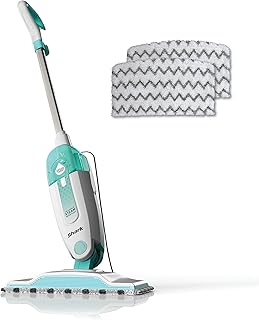
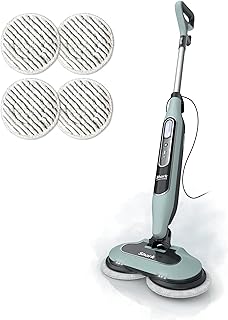
- Pad quality and absorbency. The pad does the real work; steam just loosens. Thick, tightly woven pads trap moisture rather than pushing it toward seams. Shark’s Dirt Grip pads, included with both the S1000 and the Steam & Scrub S8001, are among the more absorbent options and machine wash without pilling.
- Weight and maneuverability. A lighter head means less pressure per square inch and less temptation to linger. The Shark S1000 is deliberately minimal, and the swivel steering on the S8001 helps you keep moving around furniture legs.
- Fast heat-up, modest tank. Counterintuitively, a smaller reservoir can be an advantage on laminate: it discourages marathon sessions. Compact multi-tools like the 10-in-1 detachable model heat in roughly ten seconds with a 350ml tank, which suits room-by-room work.
What's inside
Laminate has quietly become the workhorse of the modern interior: it takes the visual language of white oak or travertine and delivers it at a fraction of the cost, in a plank you can install over a Saturday. What it doesn’t share with real wood or stone is tolerance for water. Underneath that photographic wear layer sits a high-density fiberboard core, and fiberboard behaves like a sponge with ambitions. Introduce moisture at the seams and you get swelling, cupped edges, and a chalky white haze that no amount of buffing will undo.
That tension is exactly why choosing a steam mop for laminate deserves more thought than grabbing whatever is on the endcap. The good news: with the right machine and the right technique, steam can sanitize and lift grime without chemicals or residue. Below, we walk through how to read your floor’s warranty, which specifications actually protect your planks, how the main categories of steam mop differ, and the habits that separate a floor that ages well from one that telegraphs every mopping session. Our current picks appear first.
Our Recommended Picks
As an Amazon Associate we earn from qualifying purchases.




Start With Your Floor, Not the Machine
Before anything else, find out what you’re standing on. Most laminate sold in the last decade carries a wear-layer AC rating (AC3 through AC5) and a manufacturer statement about wet cleaning. Some brands now market water-resistant or waterproof click systems with sealed edges, and those handle steam comfortably. Older or budget laminate with open seams does not, and using steam may void the warranty outright. Check the product literature or run the manufacturer name plus “steam cleaning” through a search. If your floor is unsealed, has gaps you can feel with a fingernail, or shows lifting anywhere, skip steam entirely and use a barely damp microfiber flat mop instead.
The Specifications That Actually Protect Laminate
- Adjustable steam output. Non-negotiable. A mop locked at maximum output is a mop you cannot dial back for delicate planks. The BISSELL PowerFresh 1940A offers variable steam control across three levels, which is why it remains a default recommendation for mixed hard-floor homes.
- Pad quality and absorbency. The pad does the real work; steam just loosens. Thick, tightly woven pads trap moisture rather than pushing it toward seams. Shark’s Dirt Grip pads, included with both the S1000 and the Steam & Scrub S8001, are among the more absorbent options and machine wash without pilling.
- Weight and maneuverability. A lighter head means less pressure per square inch and less temptation to linger. The Shark S1000 is deliberately minimal, and the swivel steering on the S8001 helps you keep moving around furniture legs.
- Fast heat-up, modest tank. Counterintuitively, a smaller reservoir can be an advantage on laminate: it discourages marathon sessions. Compact multi-tools like the 10-in-1 detachable model heat in roughly ten seconds with a 350ml tank, which suits room-by-room work.
Dedicated Floor Mop or Multi-Tool?
Single-purpose floor mops tend to have better ergonomics, wider cleaning paths, and pads engineered for one job. The BISSELL’s 12-inch path covers open rooms quickly; the Shark S8001 adds LED headlights that reveal film you’d otherwise miss, plus an XL tank for larger footprints. Convertible units trade some of that refinement for range. An 11-in-1 system with a 23-foot cord and three steam modes will also handle grout, glass, upholstery, and garment refreshing, while multi-purpose handheld kits with full accessory sets are useful in homes with pets and a mix of surfaces. If laminate is the majority of your square footage, prioritize the dedicated design and treat versatility as a bonus.
Technique Matters More Than Wattage
Vacuum or dry-sweep thoroughly first; steam turns loose grit into an abrasive slurry that scratches the wear layer. Use distilled water to prevent mineral scale from clogging the jets. Work in overlapping passes and never let the head sit still, even for a moment. One pass, lowest effective setting, and let the floor air dry within a minute or two. If a section is still visibly damp after 30 seconds, you’re using too much steam. Swap to a fresh pad when the current one stops feeling absorbent, and empty the tank after every session.
Tips
- Test in a closet or under a rug for a week before committing to your main living space.
- Keep a dry microfiber cloth in your back pocket to blot seams and thresholds immediately.
- Steam every two to four weeks at most; dry-mop or lightly damp-mop between sessions.
- Descale the boiler every few months per the manual, even if you use distilled water.
Frequently Asked Questions
Is steam mopping ever safe on laminate?
Yes, on modern sealed or water-resistant laminate, using a low setting and quick passes. On older laminate with visible seams, the risk of core swelling outweighs the benefit.
Will steam damage the finish or make it dull?
Properly used steam leaves no residue and typically improves clarity. Dullness usually comes from soap film or over-wetting, not heat.
Can I add cleaning solution to the tank?
No. Additives clog the heating element and void most warranties. Use the manufacturer’s fragrance discs or scent pads if you want a fresh finish.
How do I fix a plank that has already swollen?
Swelling in HDF is permanent. Individual planks can sometimes be replaced if you have spares, but there’s no way to compress the core back down.
Conclusion
The best steam mop for laminate is the one that gives you the most control and the least residual moisture: adjustable output, genuinely absorbent pads, and a head light enough to keep moving. Confirm your floor’s warranty first, then match the machine to your square footage and how many other surfaces you need it to handle. Do that, and steam becomes a low-effort way to keep laminate looking convincingly like the material it imitates for years longer.